The 10 Best Book Heroes of All Time, Ranked

Jeremy has more than 2900 published articles on Collider to his name, and has been writing for the site since February 2022. He's an omnivore when it comes to his movie-watching diet, so will gladly watch and write about almost anything, from old Godzilla films to gangster flicks to samurai movies to classic musicals to the French New Wave to the MCU... well, maybe not the Disney+ shows.
His favorite directors include Martin Scorsese, Sergio Leone, Akira Kurosawa, Quentin Tarantino, Werner Herzog, John Woo, Bob Fosse, Fritz Lang, Guillermo del Toro, and Yoji Yamada. He's also very proud of the fact that he's seen every single Nicolas Cage movie released before 2022, even though doing so often felt like a tremendous waste of time. He's plagued by the question of whether or not The Room is genuinely terrible or some kind of accidental masterpiece, and has been for more than 12 years (and a similar number of viewings).
When he's not writing lists - and the occasional feature article - for Collider, he also likes to upload film reviews to his Letterboxd profile (username: Jeremy Urquhart) and Instagram account.
He has achieved his 2025 goal of reading all 13,467 novels written by Stephen King, and plans to spend the next year or two getting through the author's 82,756 short stories and 105,433 novellas.
Sign in to your Collider account
For a nice, quick definition of hero: a prominent character in a story who generally does good things, and is in opposition to some kind of force (usually a villain, but not always, like if the force is more abstract or the hero is in a survival story). Much of the time, the hero is also the protagonist, narrator, or point-of-view character, but not always.
The following characters are among the best heroes in book history. It should be stressed that some of the most compelling main characters in the history of fiction are antiheroes, but the ones below are more heroic, and have flaws of a generally less significant nature, or are otherwise up against much worse – and obvious evil – other characters. So, with that out of the way and explained as best as possible, begin your hero’s journey through this ranking, with your destination, the quest’s end, being leaving an angry comment or something. Congrats, you’ve earned it or whatever.
10 Harry Potter
'Harry Potter' (1997–2007)
Harry Potter is a series of seven main books, and there’s some other stuff beyond it, but those seven main books are what matters most. They're the ones being considered here, and yeah, taken together, they do make for a pretty compelling coming-of-age story for the titular character, who ages from a preteen to a young adult, since each book covers about a year in his life.
He’s a hero of sorts right from the start, or at least a chosen one (but it’s that familiar trope done right), and then he becomes more heroic as things get more dangerous. Harry does keep on rising to the occasion, all in a very classic and expected kind of way, but it works. And it definitely feels right considering the target audience, with the series having value for showing younger readers what a classic/archetypical heroic character can (or maybe even should) look and act like.
9 Miss Marple
The 'Miss Marple' Series (1930–1976)
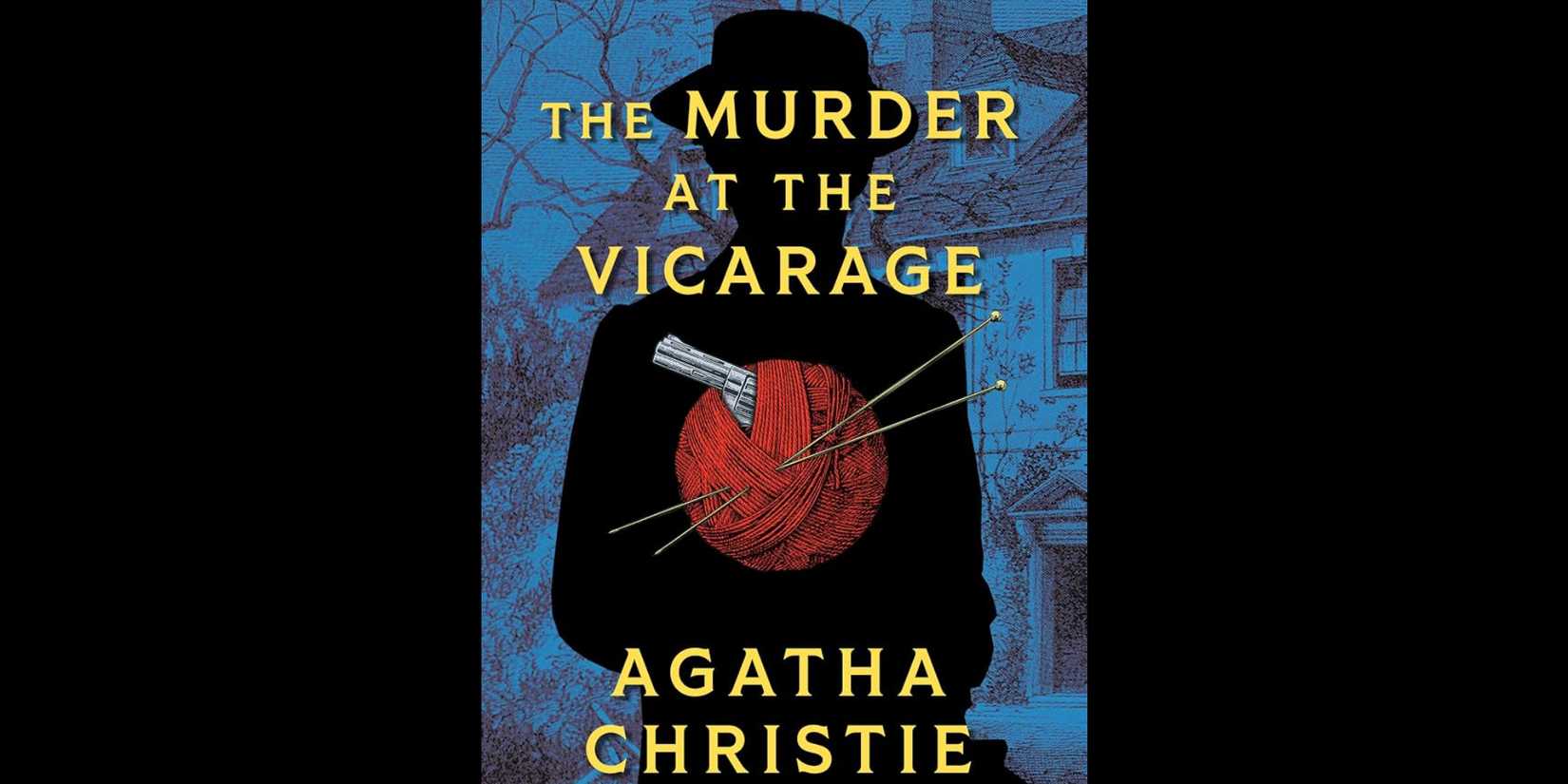
This was hard, because there are two iconic heroes Agatha Christie is known for writing books about (and of course, plenty of great books of hers are standalone), but it comes down to Miss Marple and Hercule Poirot. The former is going here, perhaps because there were already a noticeably larger number of male characters here than female characters.
Still, honorable mention to Poirot. He’s great, iconic, and charismatic, of course. But Miss Marple is also those things, but in different ways. She’s also a bit more unlikely a detective than Poirot, which helps make her interesting. And while Poirot’s been in more official novels and short stories, the quantity of Miss Marple-related stories by Agatha Christie is still impressive (a dozen novels and almost twice as many short stories published between 1930 and 1976).
8 Jake Epping
'11/22/63' (2011)

If you look over all the books Stephen King has written (and there are so many), you'll generally find more memorable villains than outright great heroes. Some of the more interesting non-villainous characters in King’s books are side characters, and he’s also proven pretty great at writing antiheroes, as the central character in the absolutely sprawling The Dark Tower series (Roland) demonstrates well.
11/22/63, though, has a straightforward hero in the form of Jake Epping, a teacher who goes back in time to 1958, waiting there for five years until the titular date, when he intends to thwart the assassination of John F. Kennedy. Strange premise, but if you roll with it, 11/22/63 ends up being a phenomenal ride, and Jake is a great character, struggling with outlandish things in ways that are believable and somehow relatable, all the while having to make difficult choices and sacrifices in the pursuit of something he sees as the greater good.
7 Lyra Belacqua
'His Dark Materials' (1995–2000)
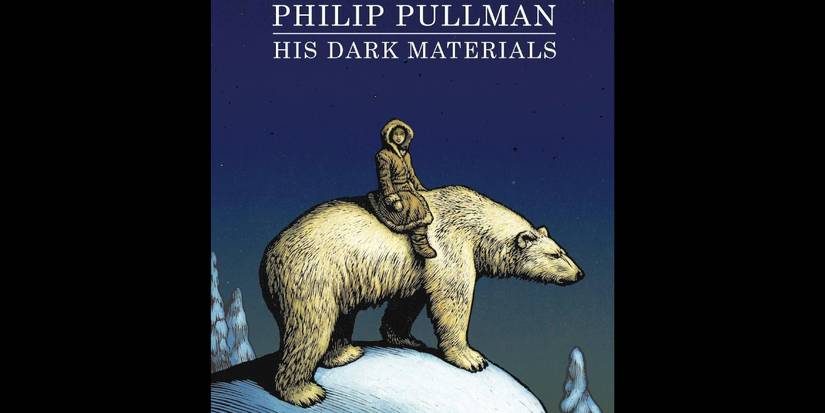
His Dark Materials is a trilogy of books that features Lyra Belacqua as the main protagonist, though books #2 and #3 also feature Will Parry as the other main character. Lyra has some involvement in other books written by Philip Pullman, but His Dark Materials is the essential trilogy, and while there’s a lot going on within the three-part epic, Lyra’s growth as a character remains consistently one of the most interesting parts of it all.
Like with lots of younger protagonists in fantasy and/or sci-fi books, she’s thrown into something overwhelming, and then she has to deal with growing up and worrying about normal things alongside dealing with all the additional danger from said overwhelming situation. Actually, sure, these are young adult books, but they’ve got a lot to offer older readers, so if you're well and truly an adult, don’t write His Dark Materials off for being a “book for kids” or something.
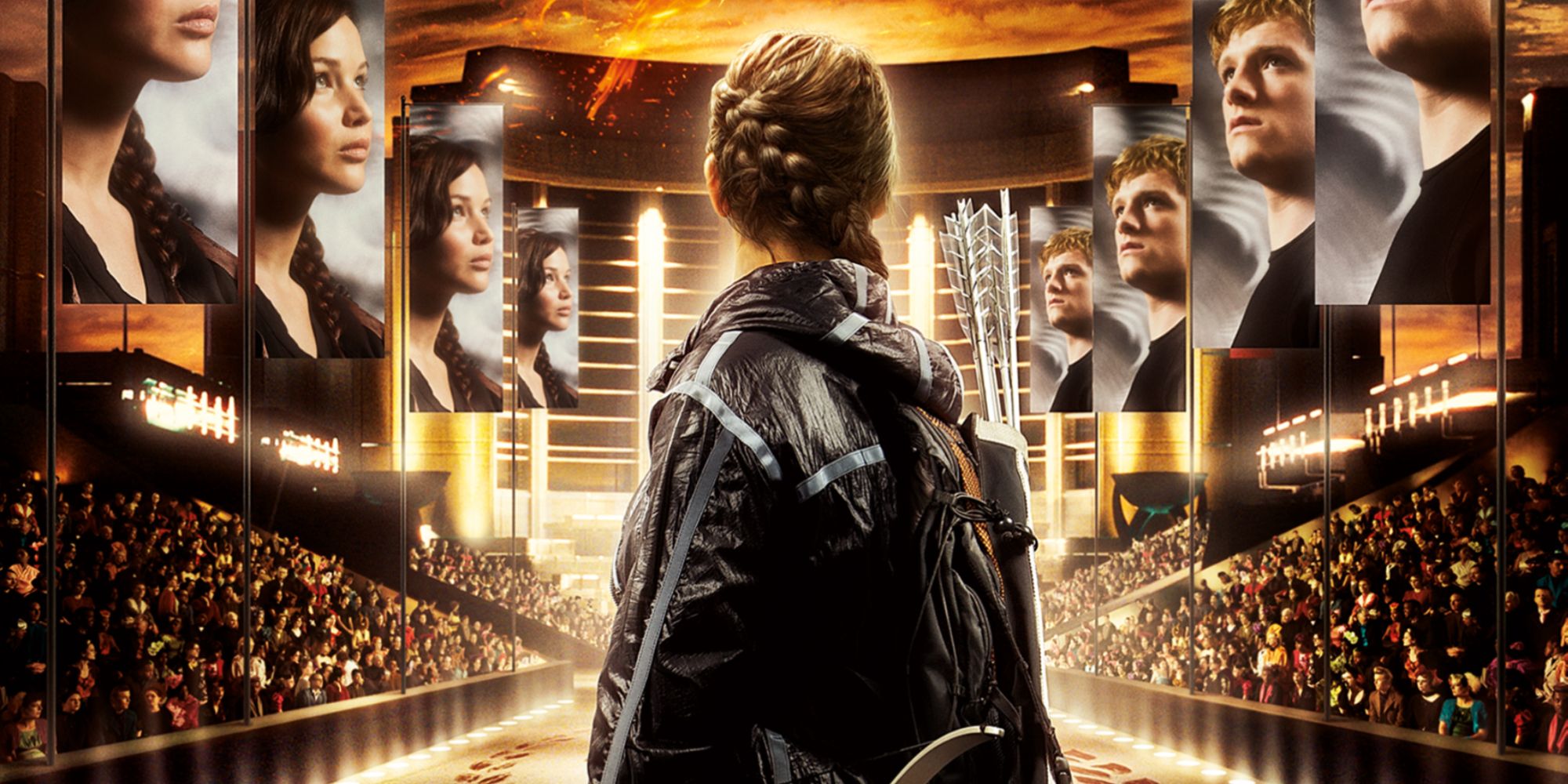
6 Katniss Everdeen
'The Hunger Games' (2008–2010)
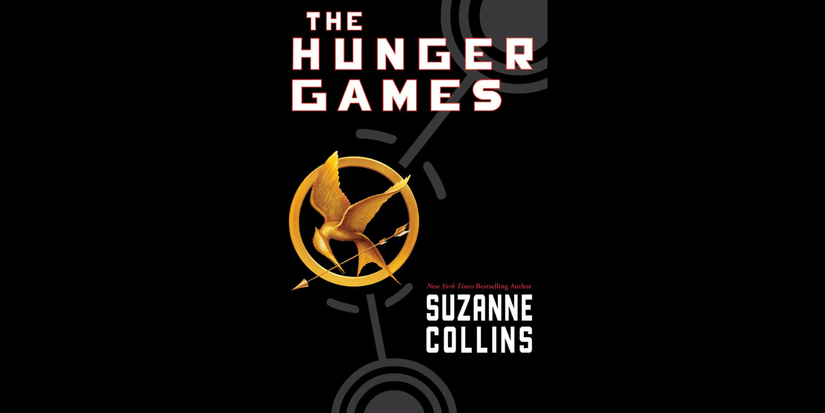
The Hunger Games, if you're looking at the original trilogy at least, is the kind of thing more willing to have nuanced supporting characters, but with the hero and the main antagonist, it’s clear-cut. So, sure, Katniss Everdeen is a rather traditional protagonist/heroine in a series that does feel quite challenging and morally complex by the standards of the whole young adult genre, but it’s a choice that works.
Also, Katniss is cool without feeling overpowered, being a – for lack of a better word – badass who does still feel human and vulnerable.
When she’s ruthless, it’s because she has to be, and she does uphold morals throughout as best she can, all the while being primarily motivated by keeping her younger sister safe (the reason she ends up in the titular games in that first book). Also, Katniss is cool without feeling overpowered, being a – for lack of a better word – badass who does still feel human and vulnerable (her character and role in the story scratches a similar itch to Buffy being who she is in Buffy the Vampire Slayer).
5 James Bond
'James Bond' (1953–1966)

Admittedly, James Bond is right on the line of being an antihero. He’s cold and pretty brutal, but he does get the job done, and he is generally up against people who are much worse. It’s a bit of a fight-fire-with-fire thing, with Bond, though it differs a bit depending on the story, and there are various stories that make up the series, even if the original run of books was much shorter than what the movie series has ultimately gone on for.
The movies do impact how Bond is seen, all the while allowing his morality (and overall vibe) to fluctuate a bit. James Bond will sometimes be more or less of an antihero, depending on the tone of the story and the actor playing him. But for the book series, and for present purposes, he’s being counted as a hero… just. Not quite anti enough to be an antihero in the way the term is now understood, but close.
4 Odysseus
'The Odyssey' (8th century BC)

Maybe Odysseus should be in first place, truth be told. He’s one of the oldest heroes in storytelling history, and so to call him and the story he’s at the center of influential… obvious understatement there. It’s The Odyssey, unsurprisingly, that’s the story about Odysseus. It’s kind of a book, but originally was a story told orally, close to 3000 years ago and being written down still a very long time ago, but not that long ago.
Odysseus spends a good chunk of The Odyssey trying to get home, following his involvement in the Trojan Wars (you get a bit of Odysseus in The Iliad as well, but he’s a supporting character there). And there’s more to it than that, and The Odyssey is also surprisingly structurally for such an old text, but you’ve got a guy, a mission, and a family to return to. Oh, and he’s good with dogs. That helps make him more endearing, too.
3 Sherlock Holmes
'Sherlock Holmes' (1887–1927)

Sherlock Holmes is an even older character than James Bond, so it’s harder to label him a simple hero. He’s complicated, as you might expect for someone who was featured in so many stories, and then there are also all those adaptations that color him in different ways… more adaptations than James Bond has received, really, since the character has been in the public domain in some territories for a while now.
So he’s got his flaws, sure, and he can be a bit cold, a little like James Bond and his whole no-nonsense approach to espionage, but Sherlock Holmes’s cunning can’t be denied, and he is on the right side of the law, generally. He just does things on his own terms, to some extent, so that makes him bump up against antihero territory a little, albeit not with enough full-on instances of line-crossing to make him more “anti” than “hero.”
2 Atticus Finch
'To Kill a Mockingbird' (1960)
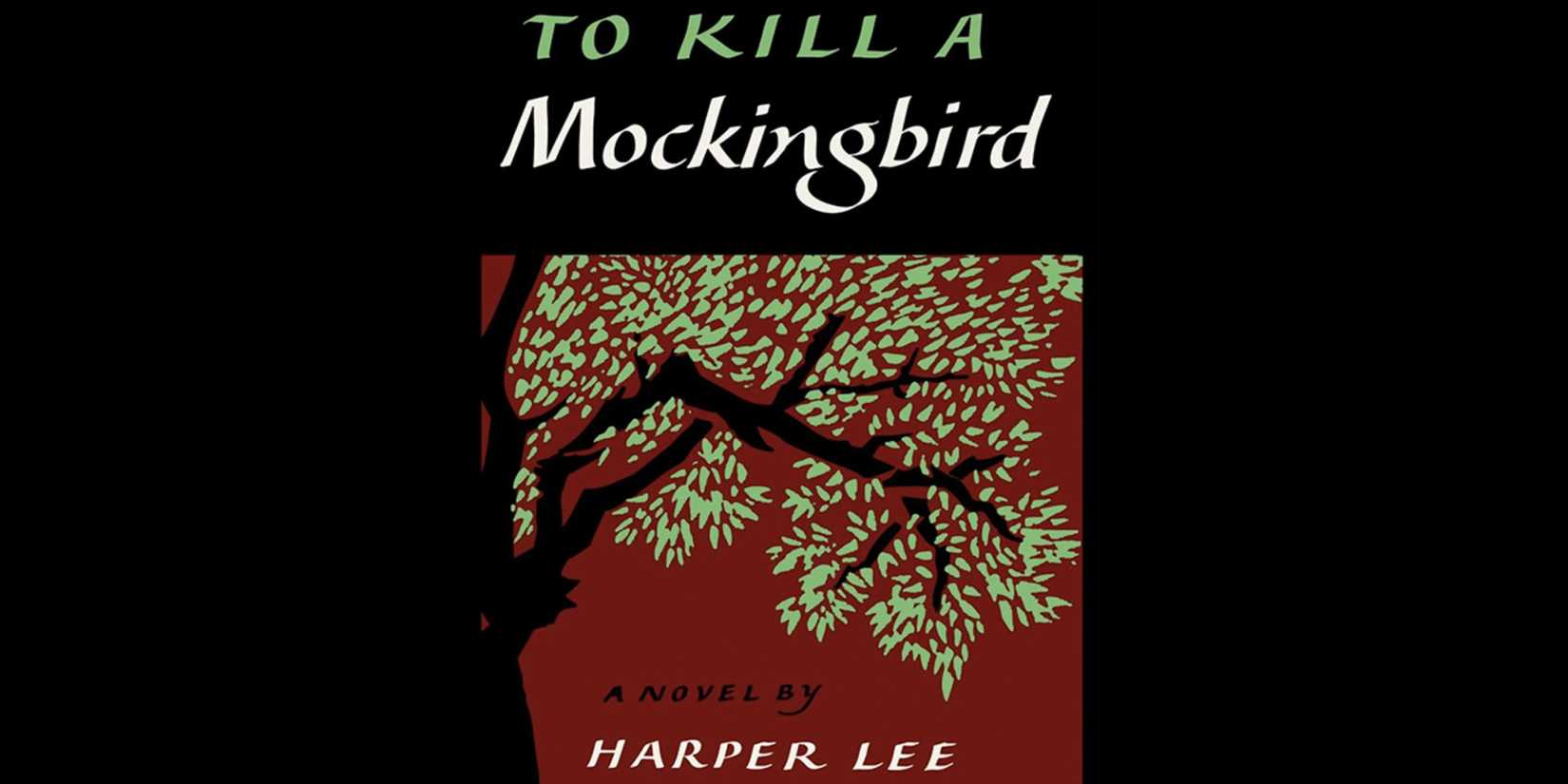
Like Odysseus, Atticus Finch is someone you'll often see top rankings like this, and hey, for now, he’s #2. That’s right up there. He’s not the point-of-view character in To Kill a Mockingbird, but he’s prominent and central enough that he’s being counted as a hero here, since there can be a bit of a difference between a hero and a protagonist (someone can be the latter without necessarily being a hero).
You know, the titular character in The Great Gatsby isn't the point-of-view one, but he is the “main” character. More complex than a hero, though, so he’s not here. But Atticus is dedicated to his morals and his sense of justice, and does fight against prejudice around him, famously so, through being perhaps the most positive depiction of a lawyer in the history of fiction. Words like “noble,” “determined,” and “rational” come to mind first when thinking about Atticus Finch, so his inclusion in any ranking concerning literary heroes is basically inevitable.
1 Frodo Baggins
'The Lord of the Rings' (1954–1955)

Looking at The Hobbit, that’s a simpler book, but Bilbo Baggins is a bit less of a typical hero, sort of being along for the ride, while Thorin Oakenshield starts as a hero but ends up being more of a tragic one, and possibly an antihero. Maybe in The Lord of the Rings, Boromir serves a similar purpose, but he’s not in the whole epic novel as much as the likes of Frodo, Aragorn, and Gandalf.
Of those three, Frodo Baggins really does go through the most. In the movies, it does sometimes feel like Samwise is the bigger hero, but book Frodo’s suffering feels a bit more intense than it does in the three-part movie adaptation. He’s an unlikely hero who’s also very human, and not as capable as Aragorn and Gandalf, but what he goes through and sacrifices emotionally is immense…and a very honorable mention to Sam, of course, who experiences all those hardships as well, but Frodo bearing the One Ring and having to constantly battle it is what makes him feel like the ultimate MVP of the book.
KioskNews shows a cleaned-up reading view extracted from the publisher’s page — the original always lives on their site, not ours.