Hong Kong to expand community recycling after shelving waste-charging scheme
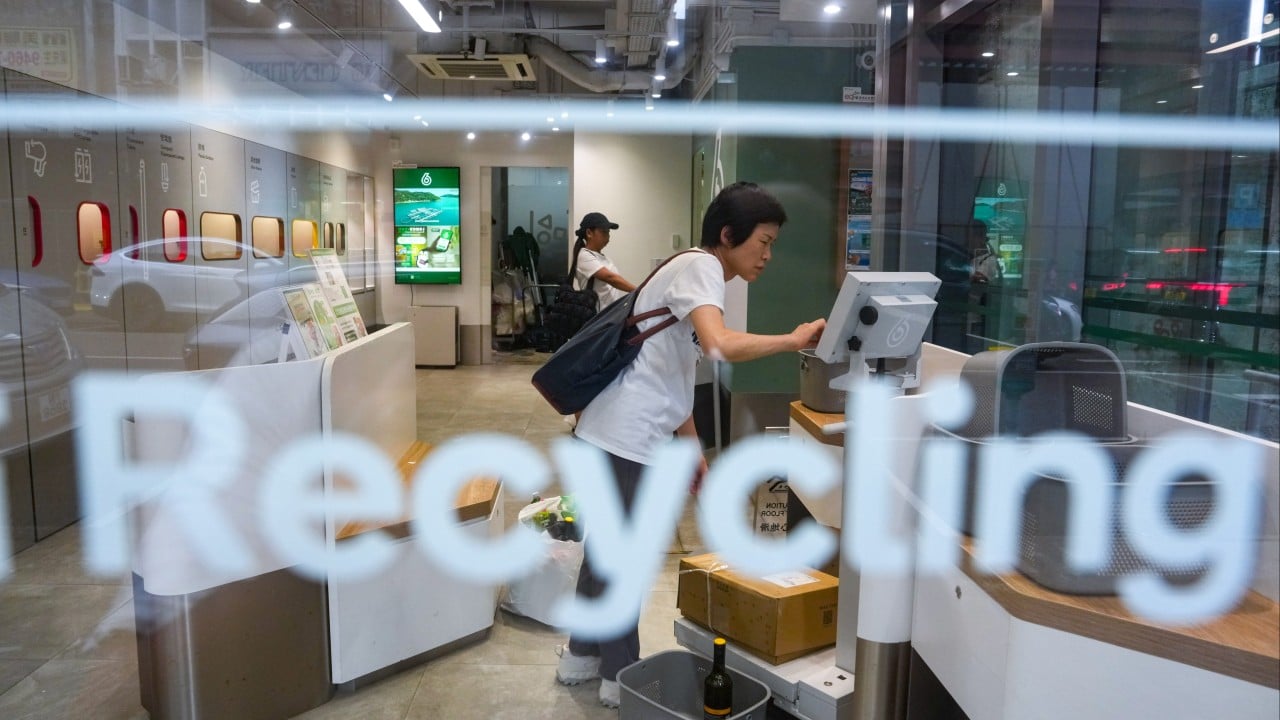
Hong Kong will strengthen its community recycling network with measures such as round-the-clock automated collection points after scrapping the waste-charging scheme due to strong public backlash, the environmental chief has said.
Secretary for Environment and Ecology Tse Chin-wan on Saturday also pledged to review the permitted profit levels of the city’s two power companies when their control agreements with the government expire in 2033. He added the government would boost clean energy imports from mainland China.
Tse expressed confidence in achieving the four binding goals on environmental protection as outlined in Hong Kong’s first five-year plan unveiled last month.
Under the plan, the government set out goals to reduce carbon intensity, increase the share of zero-carbon energy used to generate power, and improve air and surface water quality.
The government decided to shelve the twice-delayed waste-charging scheme in 2024 even though it had previously said the direction was among the key methods for Hong Kong to attain carbon neutrality as garbage was the city’s third most significant source of emissions.
Tse said the government would instead double down on the city’s recycling efforts.
“We’ve been talking about waste reduction through refuse collection or reduction for decades,” he told a radio programme.
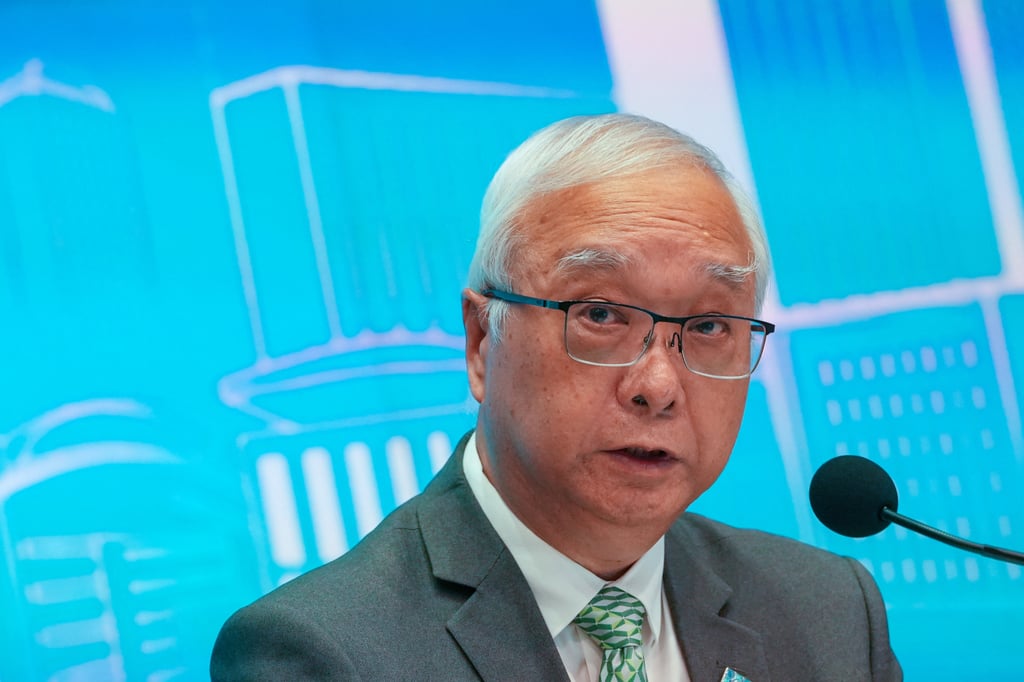
“We once considered imposing municipal waste charging but due to public opposition and backlash, we will strengthen the Green@Community initiative instead.”
Green@Community is a territory-wide community network covering all 18 districts to promote recycling collection.
Together with smart recycling bins, the community recycling network has more than 800 public collection points.
Tse said with the expansion of Green@Community coverage, Hong Kong’s waste volume had decreased by about 1,000 tonnes over the past three to four years.
“We plan to introduce automation to the Green@Community facilities, allowing recycling stations to operate 24 hours a day, which will provide more convenience for the public. There will be greater public participation,” he said.
He added that the Green@Community mobile application currently had 1.2 million registered users.
“By turning waste into energy, we’re confident of achieving the zero landfill target,” he said.
Tse also pledged to review the permitted profit levels of the city’s two power companies when the control agreements with the government expire in 2033, and to increase the import of clean energy from the mainland.
“We also aim to increase the proportion of zero-carbon electricity imported into Hong Kong from the mainland to 60 to 70 per cent, which is believed to help lower local electricity tariffs at that time. We’re now in discussion with some mainland units,” he said.
He said authorities had requested increasing the transmission capacity of the Daya Bay cable, and would also apply for funding from the Legislative Council to construct a large-scale power reception station on the reclaimed land in Tseung Kwan O Area 132, as well as build new transmission cables from the mainland to import large amounts of zero-carbon energy into Hong Kong.
“We’ll set up a working group. The government will conduct a cautious and comprehensive review including each of the roles, the project details and financial arrangements, etc,” he said.
KioskNews shows a cleaned-up reading view extracted from the publisher’s page — the original always lives on their site, not ours.