Kowloon leads as 70% of Hong Kong’s subdivided flats registered for grace period
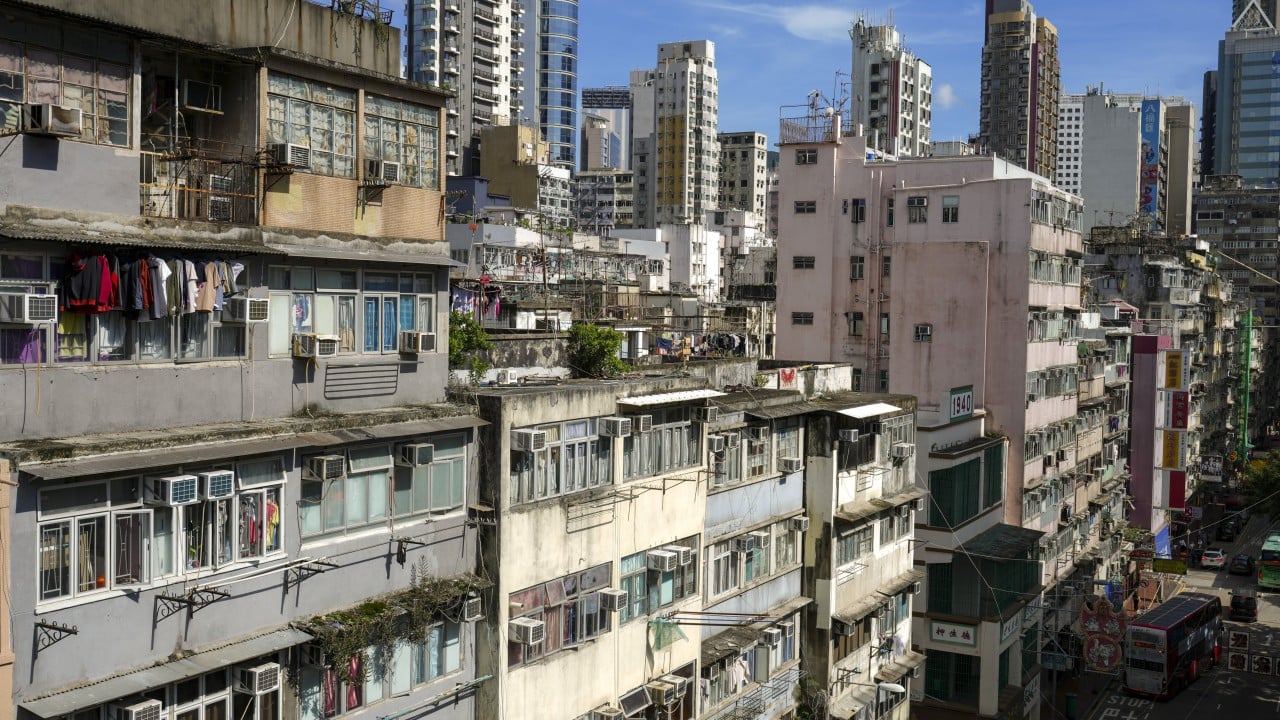
About 70 per cent of subdivided flats in Hong Kong have been registered for a grace period under a new law aimed at eradicating substandard homes, with most submissions coming from landlords in Kowloon’s Yau Tsim Mong district, according to the Housing Bureau.
The bureau told the Legislative Council on Wednesday that 75,070 subdivided homes across about 21,000 whole flats had been registered for the three-year grace period since applications opened in March under the new Basic Housing Units Ordinance.

Secretary for Housing Winnie Ho Wing-yin said the properties covered about 70 per cent of the 110,000 subdivided flats identified in an earlier survey.
“Such satisfactory progress shows that most subdivided unit owners or operators are keen to be brought under the new regime in order to obtain a 36-month grace period first and then plan for the next steps of their flats,” Ho said in a written reply to the inquiry from lawmaker Steven Ho Chun-yin.
Under the ordinance, only subdivided flats that meet minimum standards and are certified as “basic housing units” can be legally leased starting next March, unless registered for the grace period.
Landlords have until February 28, 2027, to apply for the three-year grace period, which runs from March next year to February 2030, allowing time for necessary alterations and certification.
Among the 75,070 registered units, 49,100, or 65 per cent, are located in Kowloon. They include 21,500 in Yau Tsim Mong district – encompassing Yau Ma Tei, Tsim Sha Tsui and Mong Kok – and 16,300 in Sham Shui Po.
Hong Kong Island accounts for 13,400 registered subdivided flats, mostly concentrated in Eastern district and Wan Chai.
The remaining 12,570 units are in the New Territories, with 26 per cent of those located in Tsuen Wan.
Separately, Ho said the bureau had received applications from about 250 subdivided flats for recognition as basic housing units with 53 approved so far.
She said this demonstrated that the market was gradually adapting to the long-term regulatory regime.
According to the bureau’s dedicated portal, 83 basic housing units have been listed to date, mostly in Yau Tsim Mong.
Ho said she did not expect the supply of subdivided flats to fall significantly in the short term, pointing to the “positive market response” and the transitional arrangements in place.
She also stressed that the bureau would not take “immediate and indiscriminate enforcement actions” but would instead weigh factors such as safety risks, degree of non-compliance and the overall supply of public housing.
She said the bureau would inspect and take enforcement actions against target buildings with higher safety risks, and respond to complaints.
Apart from conducting operations with other departments, the bureau would also consider follow-up actions “in a reasonable and compassionate manner”, such as issuing warning letters and launching prosecutions.
KioskNews shows a cleaned-up reading view extracted from the publisher’s page — the original always lives on their site, not ours.