Labour’s ‘absurd’ energy bill scheme to give £350m to the richest households
Around 3.5 million of the UK’s richest households are set to receive Labour’s one-off £100 energy payment designed to provide a much-needed boost to the poorest this winter, new research has revealed.
Despite being earmarked for those struggling with rising costs, households in the top 20 per cent of incomes will receive £350m (14 per cent) of the funding, analysis by The Independent with the Resolution Foundation think tank shows.
At the same time, just under 700,000 of the poorest households – those that sit in the bottom 20 per cent of earners – will miss out. These house 1.64 million people, according to an assessment of official data.
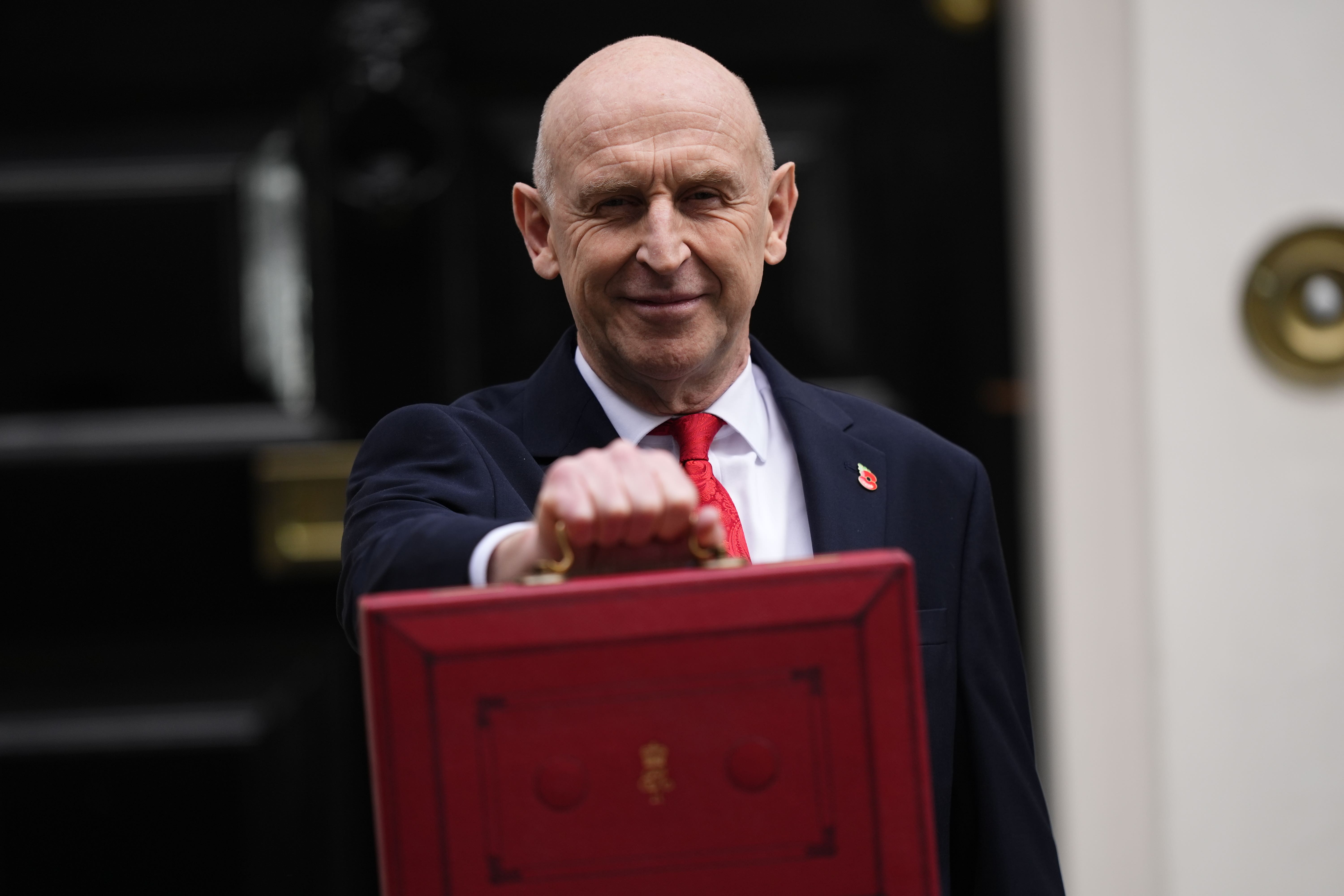
Over 20 million households across the UK will begin receiving their Household Energy Payment in January after the measure was announced by chancellor John Healey at the Autumn Budget.
It will grant all households in council tax bands A to D an automatic £100 rebate applied directly to their bills, in a move set to cost the government £2.5bn.
Alex Clegg, economist at the Resolution Foundation, said: “With the Energy Price Cap forecast to rise to over £2,100 in January, families are set for a tough winter and fresh support in the Budget was sorely needed.
“But delivering help via flat £100 payments to four-in-five households across Britain completely misses the mark in terms of getting help to where it’s needed most. We know from recent history that poorer households struggle most with energy bills, and yet around 700,000 families in the poorest fifth of the country won’t get any support at all.
“In contrast, the government is spending £350 million on support to families in the richest fifth of the country who really don’t need it. That’s a complete waste of money, and inexcusable as the government has had ample time to design a scheme that targets families with low incomes and high energy need.”
Central to the issue is the decision to link the payment to the “outdated” council tax band system, which experts argue makes it poorly targeted.
In England and Scotland, values remain based on bands first set in 1991, meaning that the vast scale of house price increases in London and other cities over the past three decades is not reflected.
This design means that a property that was worth up to £40,000 in 1991 will still be in Band A anywhere in England, even if it is worth hundreds of thousands of pounds more today.
Properties valued up to £88,000 three decades ago remain in Band D, entitling the owners of homes now worth well over £1m to the bill support.
London’s Hackney Council has seen the biggest property growth since the valuations were carried out, rising from £68,264 in 1995 to £611,648 in 2026 – a 796 per cent increase.
Similar increases have been seen in Waltham Forest, where values have risen by 728 per cent over the same period, in Brighton, up 704 per cent, and in Bristol, up 683 per cent.
Around 1.4m households in the bottom half of incomes are set to miss out on the energy payment due to its configuration, Resolution Foundation figures show.
Commenting on the findings, Liberal Democrat Treasury spokesperson, Daisy Cooper MP, said: “The government’s energy support is too timid and not well targeted.
“By choosing to use the outdated council tax system, the government has created an absurd situation where 1.4 million low-income households will lose out whilst wealthy households who have retired early and down-sized will benefit.”
Government sources say the council tax method was chosen as it is the quickest way to ensure payments reach a large number of households this winter. Official estimates show that it should reach 88 per cent of low-income households, though this means it will miss 12 per cent.
Some experts had called for the government to instead expand the Warm Home Discount, which pays an automatic £150 energy bill rebate every year to households in receipt of certain qualifying benefits, including Universal Credit.
A government spokesperson said: “Tackling the affordability crisis is our priority, which is why we’ve acted quickly to give families immediate breathing space.
“From January, the majority of low-income households will receive £100 towards their energy costs. We’re also providing £100 million for local authorities to support wider groups, and around six million low-income households will receive the £150 Warm Home Discount this winter.”
KioskNews shows a cleaned-up reading view extracted from the publisher’s page — the original always lives on their site, not ours.