UK’s busiest and quietest railway stations revealed — including one used by 94 people

London Liverpool Street has maintained its status as Britain’s busiest railway station for the fourth consecutive year, according to newly published figures.
The central London hub recorded an estimated 102.7 million entries and exits during the year to the end of March, up from 98 million across the previous 12 months, the Office of Rail and Road (ORR) stated.
It originally overtook London Waterloo to become the country's busiest station in the year to March 2023 and has held the position ever since.
The site has now become the first station in British history to surpass 100 million entries and exits within a single year, the ORR said.
For 2025/2026, London Paddington was ranked the second busiest, recording 72.9 million entries and exits after rising from third place the previous year.
London Waterloo placed third with 71.6 million entries and exits, followed by Tottenham Court Road on 67.2 million and London Bridge with 57 million.
The opening of the central section of the Elizabeth line in 2022, which runs from London Paddington to Abbey Wood, led to a “large increase” in the use of Liverpool Street, according to the regulator.

Five of the 10 busiest stations in the country are all served by the Elizabeth line, with these being London Liverpool Street, London Paddington, Tottenham Court Road, Farringdon and Bond Street.
Birmingham New Street was the most used station outside of the capital, with 38.8 million entries and exits, followed by Leeds (28 million) and Manchester Piccadilly (26.6 million), according to the ORR.
In Scotland, Glasgow Central was the most used station and saw 25.1 million entries and exits while Cardiff Central was the busiest in Wales with 12.9 million entries and exits.
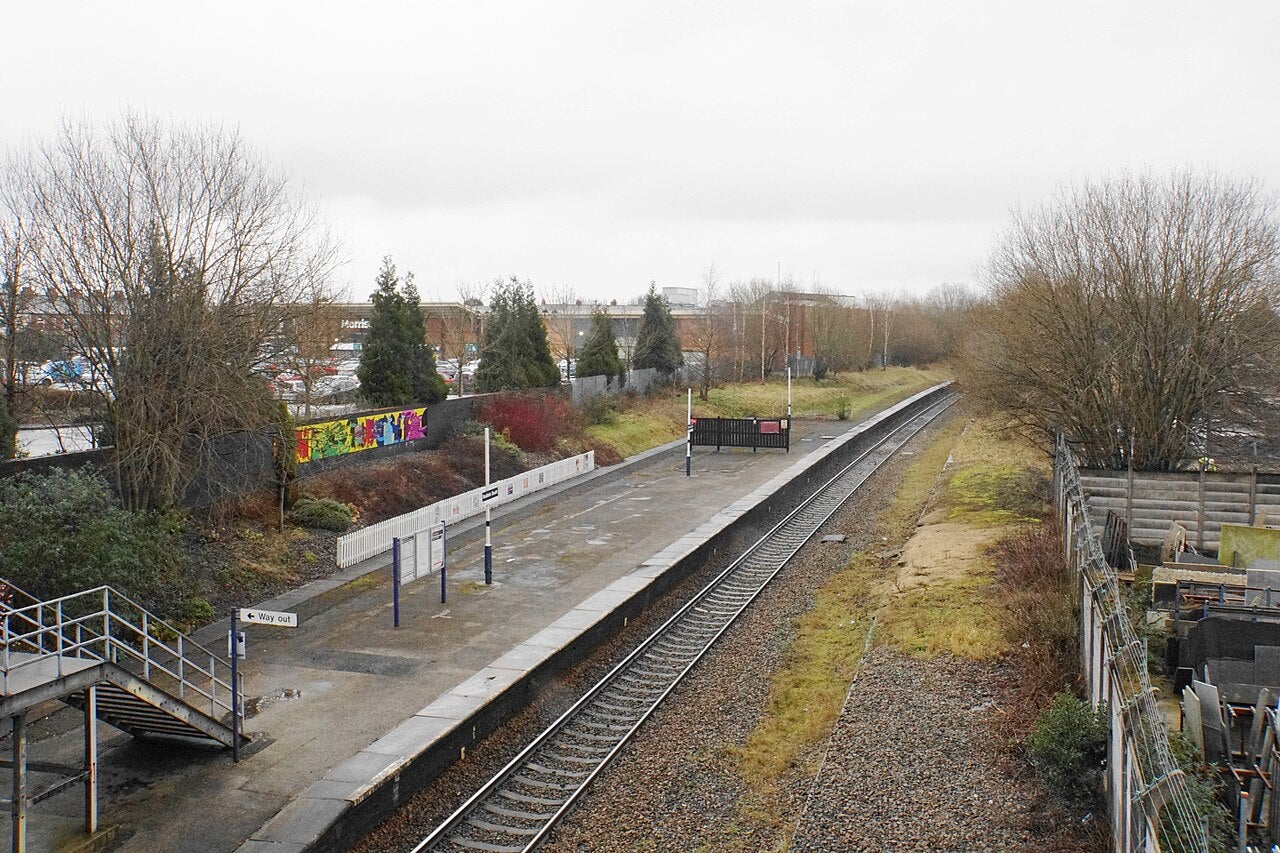
Reddish South, in Greater Manchester, was the least used British station of all those that were open that year and saw just 94 entries and exits.
A total of 1,829 million passenger rail journeys were made between April last year and March 2026, an increase of 6 per cent from the previous year, the ORR said.
Graham Richards, ORR’s director of planning and performance, said: “Liverpool Street becoming the first station to exceed 100 million entries and exits in a single year is a significant milestone for Britain’s railway.
“Our latest station usage estimates also show increases at major stations outside London, including Birmingham New Street, Glasgow Queen Street and Cardiff Central.
“This follows our recent passenger rail usage statistics, which showed a 6% increase in journeys across Great Britain in the year April 2025 to March 2026.
“Our rail usage statistics provide a valuable picture of passenger travel across the country, helping the rail industry understand changing demand and make informed decisions about services and future investment.”
KioskNews shows a cleaned-up reading view extracted from the publisher’s page — the original always lives on their site, not ours.