After 71-year-old woman makes 3 futile trips, Delhi High Court allows virtual cross-exam
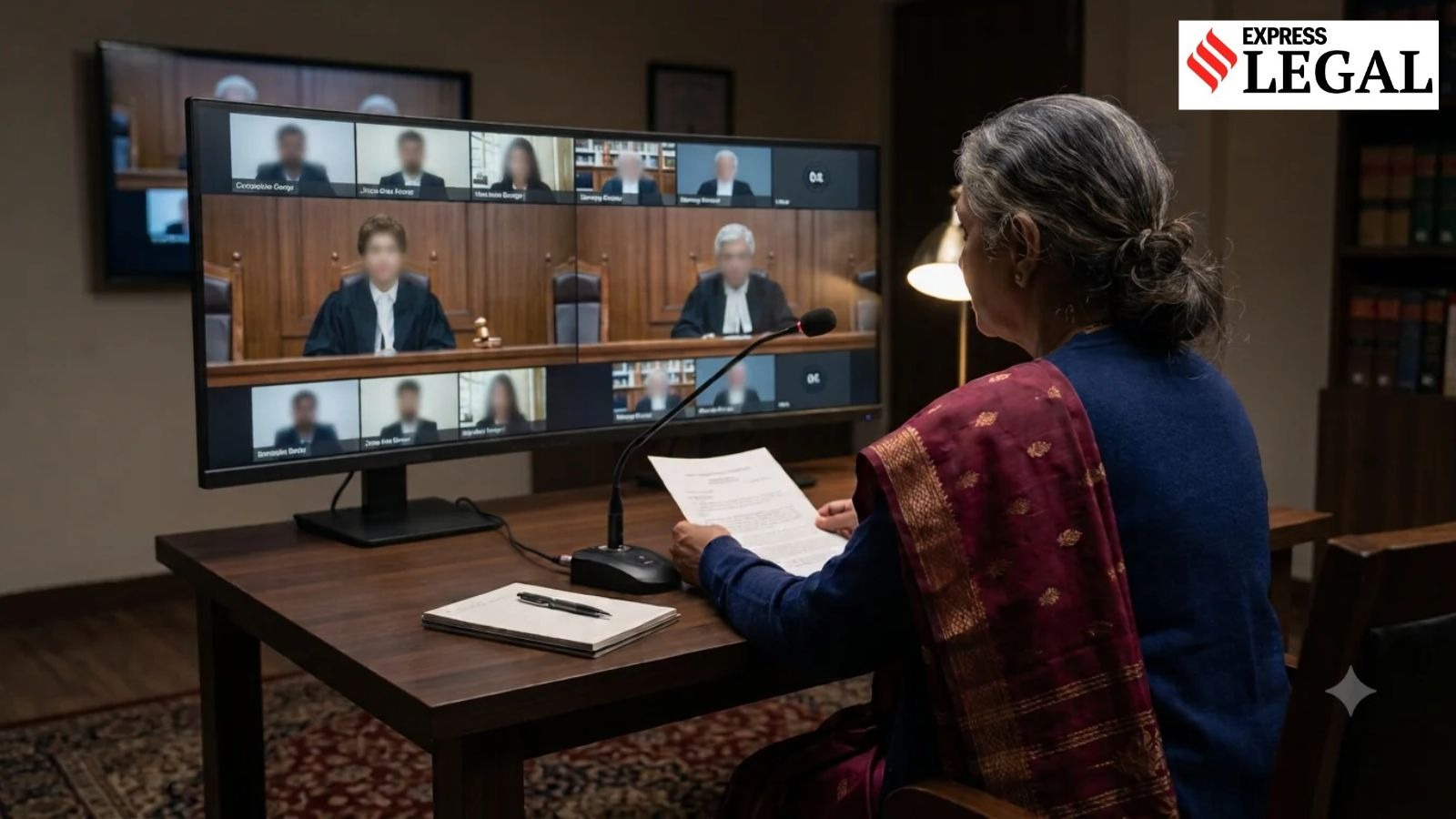
A 71-year-old woman travelled from Uttarakhand to Delhi thrice between November 2024 and July 2025 to face cross-examination in a case involving a deceased person’s will and property, but the questioning never took place. Ensuring that she will not have to make another journey for the purpose, the Delhi High Court has now allowed the senior citizen’s cross-examination through video conferencing, considering her age-related health problems and doctor’s advise to rest.
Justice Swarana Kanta Sharma was hearing an application seeking permission to cross-examine Krishna Sen, a key witness in the pending case, through video conferencing. “Requiring her to undertake further physical journeys from Uttarakhand to Delhi, despite her age and the health-related difficulties stated to be faced by her, would cause her avoidable hardship,” the judge noted in the October 27 order
“Such a course (video conferencing) would accommodate the physical limitations stated to be faced by an elderly witness, avoid further inconvenience arising from travel, and facilitate the completion of the evidence without unnecessary delay. At the same time, appropriate safeguards can be imposed to ensure that the respondent is afforded a full and effective opportunity to cross-examine the witness and that the proceedings remain fair and reliable,” the court said.
The woman’s counsel had argued that allowing her to appear virtually would avoid further inconvenience and help prevent unnecessary delays.
3 trips, but no cross-examination
Sen appeared in Delhi on November 5, 2024, February 10, 2025, and July 24, 2025, for her cross-examination. However, the questioning could not take place for different reasons.
 Justice Swarana Kanta directed that the woman’s identity must be verified before questioning begins.
According to the submissions recorded in the order, the respondent’s counsel sought an adjournment on November 5, 2024, citing illness. On February 10, 2025, the court was on leave. On July 24, 2025, the petitioner’s counsel was unavailable because of a bereavement in the family.
Noting that Sen was around 71 years old, lived in Uttarakhand and suffered from age-related health problems for which her doctor had advised rest, the court said that the respondent’s counsel had also not disputed that she was experiencing age-related health issues.
Story continues below this ad
Stating that the circumstances called for a pragmatic approach, the court said that cross-examination was an important part of a fair judicial process and that the respondent’s right to test the witness’s testimony had to remain fully protected.
Court examines video-conferencing rules
The court examined the Delhi High Court Rules for Video Conferencing for Courts, 2021, which permit video conferencing from a person’s location when sickness, physical infirmity, undue delay or expense makes physical attendance difficult.
The judge also considered Rule 13(8) of the Electronic Evidence and Video Conferencing Rules, 2025, which permits video conferencing from the place where a person is located if sickness or physical infirmity prevents them from reaching the court or designated location, or if securing their presence would involve undue delay or expense.
In Sen’s case, the court said the proposed arrangement would facilitate the completion of her cross-examination while allowing safeguards to preserve the fairness and reliability of the proceedings.
Story continues below this ad
Allowing the application, the court directed that Sen’s cross-examination be conducted on a date and at a time fixed by the joint registrar (judicial), in consultation with the parties and the authorities facilitating the arrangements.
Initially, she must appear from a designated video-conferencing facility at a location in Uttarakhand convenient to her. If her health makes travelling to that facility difficult, the joint registrar may consider permitting her cross-examination from her residence.
The judge directed that her identity be verified before questioning begins. She must also confirm that she is appearing voluntarily and can answer questions without being prompted or influenced by anyone.
The video-conferencing equipment must be tested in advance to ensure clear audio and video transmission. Only Sen and those strictly necessary to facilitate the proceedings may be present at the remote location, and their presence must be disclosed to the court.
Story continues below this ad
Any documents put to her during cross-examination must be shown in accordance with the applicable rules, ensuring that both parties have a fair opportunity to examine them. Her deposition must also be read over or explained to her, as required, and authenticated under the prescribed procedure.
The petitioner must coordinate with the authorities and initially bear any expenses incurred in facilitating the remote appearance, subject to further orders. Both parties have been directed to cooperate to ensure that the cross-examination is completed on the scheduled date. Unauthorised audio or video recordings of the proceedings and their dissemination have also been prohibited.
“The respondent’s right to effectively cross-examine the witness shall remain unaffected,” the court said.
KioskNews shows a cleaned-up reading view extracted from the publisher’s page — the original always lives on their site, not ours.