Japan’s military build-up hit by US missile delays and domestic parts shortages
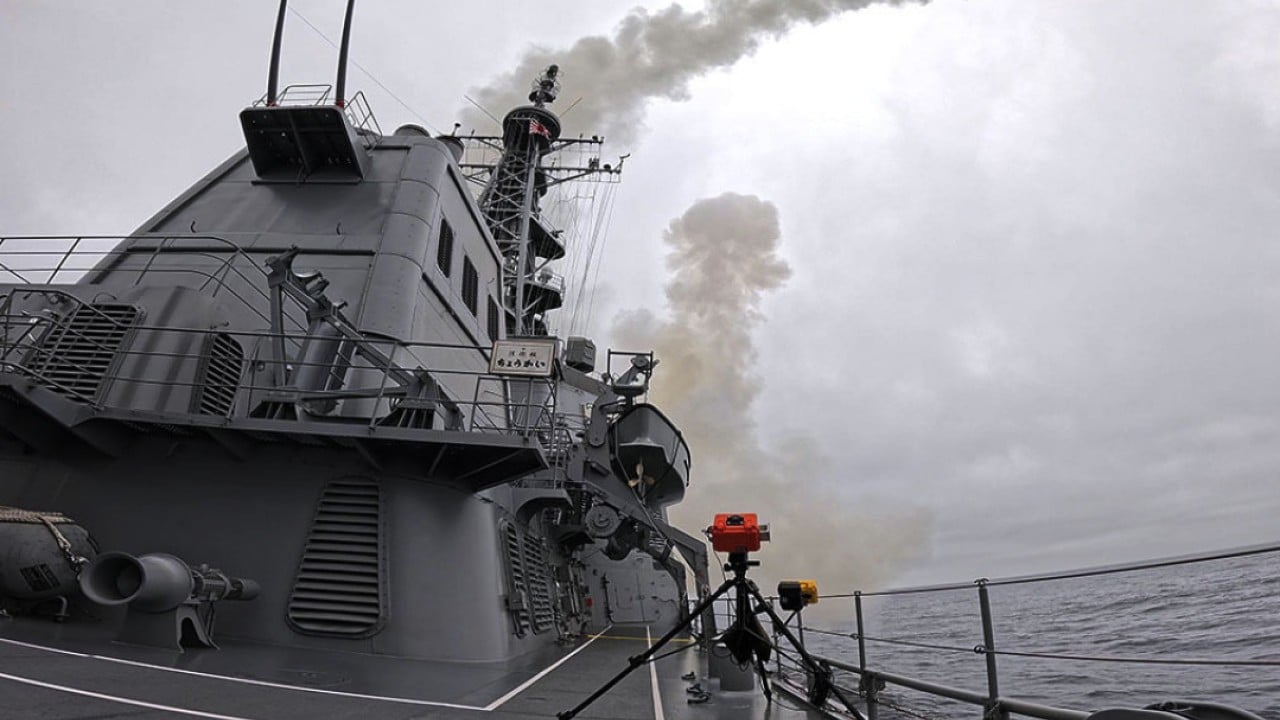
Japan’s push to strengthen its armed forces is running into headwinds that money alone cannot resolve, analysts warn, pointing to prolonged delays in US weapon shipments and domestic manufacturing bottlenecks that undermine operational readiness.
The issues have cast doubt on Tokyo’s ability to meet ambitious force expansion targets as the government prepares to overhaul its defence and security spending priorities.
Observers say these setbacks highlight the need for Japan to build up its domestic defence industry and reduce reliance on US suppliers. However, persistent maintenance and supply issues affecting Japanese-made aircraft suggest that greater self-reliance brings its own set of challenges.
Tokyo is currently drafting a new five-year Defence Buildup Programme outlining spending and procurement priorities through the late 2020s. But delivery delays and cost overruns are raising concerns over whether Japan can acquire all the planned hardware under existing budget caps, given currency weakness, inflation and surging procurement costs.
The Defence Ministry acknowledged that acquisitions have fallen behind schedule and prices have soared, according to a report released in August. For example, the unit procurement cost for the domestically developed Kawasaki P-1 maritime patrol aircraft jumped more than 50 per cent – from 30.5 billion yen to 46 billion yen (US$192 million to US$290 million) – between the fiscal 2023 and 2026 budgets, the report said.
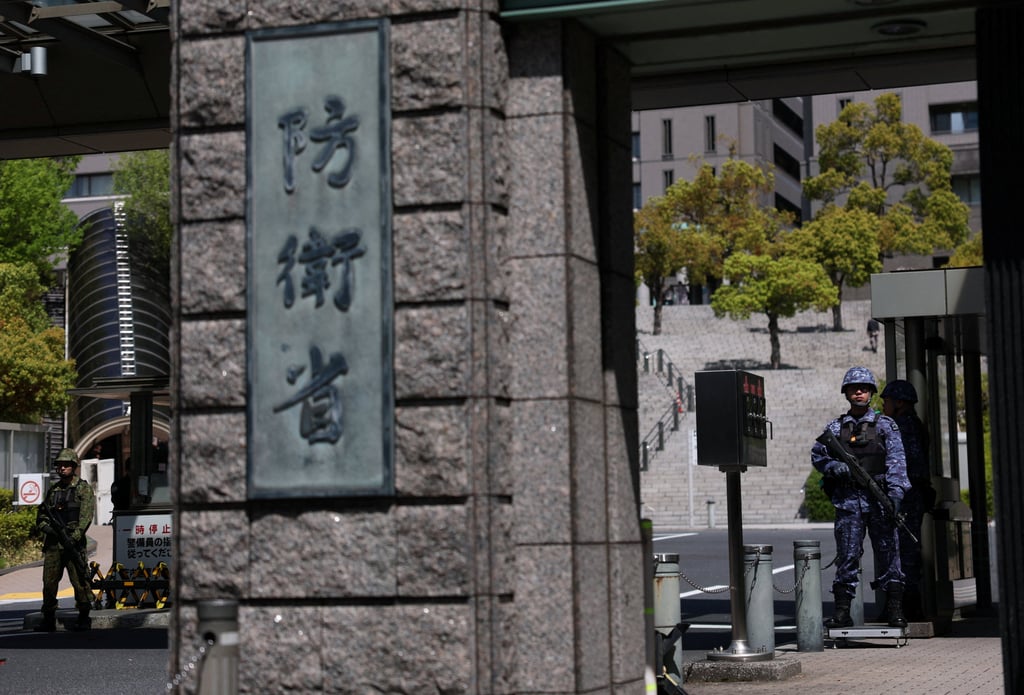
A Board of Audit report submitted to parliament in January disclosed that 118 orders for US military equipment, valued at about US$7.2 billion under the government-to-government Foreign Military Sales mechanism, remained undelivered five years or more after contracts were signed.
Yoichiro Sato, an international relations professor at Ritsumeikan Asia Pacific University, said the backlogs largely stemmed from depleted US inventories, affecting key assets like Tomahawk cruise missiles.
“[They] are part of Japan’s new strategic doctrine, which envisions limited counterstrike capabilities,” Sato said.
Under Prime Minister Sanae Takaichi, Japan is revising its three main strategic documents: the National Security Strategy, the National Defence Strategy and the Defence Buildup Programme. Tokyo is expected to reinforce its “capabilities to deny” potential adversary aggression in coordination with Washington, while expanding industrial-base cooperation and interoperability.
In May, US Defence Secretary Pete Hegseth told Japanese Defence Minister Shinjiro Koizumi that deliveries of up to 400 Tomahawk missiles could face delays of up to two years as the US replenishes stocks drawn down by military operations against Iran.
Japan’s acquisition of Tomahawks represents a shift away from a reliance on a defensive missile-interceptor shield towards acquiring a counterstrike capability.
Apart from Tomahawk missiles, air-defence interceptors are also in short supply in the short term due to heavy demands on US production lines, according to Grant Newsham, a senior research fellow at the Japan Forum for Strategic Studies.
But in the longer term, shortages of components and spare parts needed for Aegis system upgrades, F-15 fighter modernisations and the maintenance of MQ-9 drones and E-2C Hawkeye surveillance planes would become a bigger problem, Newsham said.
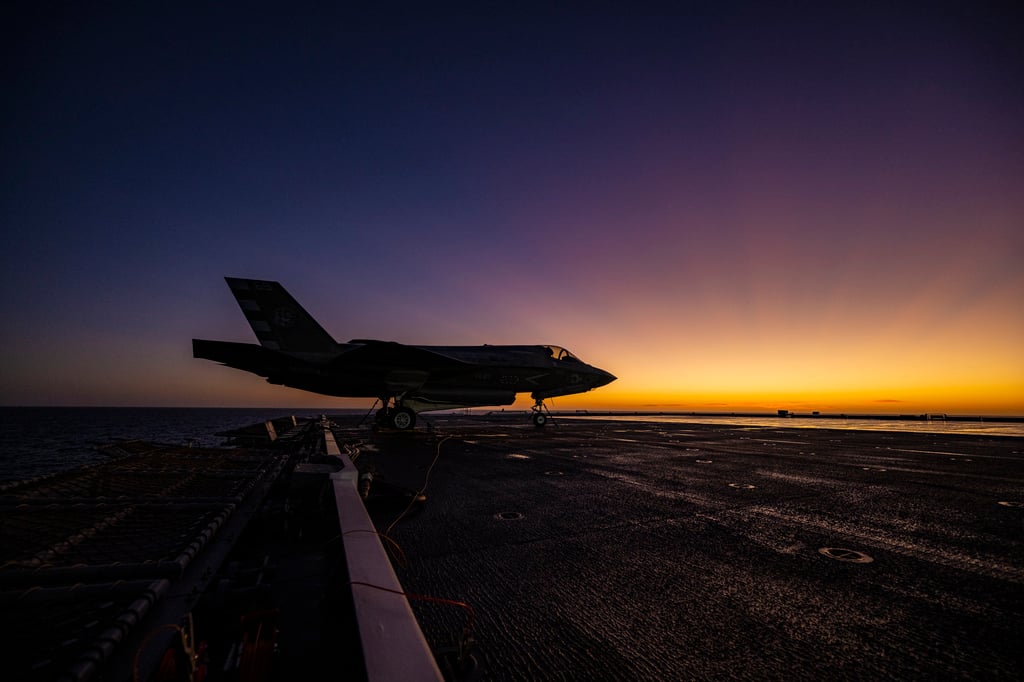
Deliveries of the fifth-generation F-35 stealth fighter have also suffered delays, particularly the short-take-off and vertical-landing (STOVL) F-35B variant intended for use aboard Japan’s Izumo-class helicopter destroyers. While Japan has operated conventional F-35A jets for years, its initial batch of F-35Bs – slated for delivery by March 2025 – was pushed back to late summer that year. Japan’s 2026 Defence White Paper noted that eight F-35Bs had been received by late March this year, leaving 34 of the 42 ordered still outstanding.
“F-35 deliveries are also being delayed, but Japan already has a sizeable fleet of these aircraft,” Newsham said. “The Japan Self-Defence Forces can also use more [Kawasaki] P-1 patrol aircraft and C-2 transports … but this is not a huge danger at the moment.”
Rintaro Inoue, a security specialist and research fellow at Tokyo’s Institute of Geoeconomics, warned that spare-part shortages were reducing Japan’s operational readiness.
Japan’s fleet of Kawasaki P-1 patrol aircraft currently operated at an estimated mission-capable or readiness rate of only 30 per cent, Inoue noted. With roughly 40 aircraft in service, only about a dozen are fully mission-ready at any given time to monitor maritime territory and track adversary submarines.
“This forces the Japan Maritime Self-Defence Force to cannibalise parts from other aircraft,” Inoue said.
Apart from global supply chain constraints and semiconductor bottlenecks, the low readiness rate is also driven by harsh operating environments, where low-altitude anti-submarine patrols induce salt-spray corrosion. Unlike the widely exported Boeing P-8 Poseidon, the P-1 is a domestic, low-volume aircraft, making it nearly impossible to source secondary replacement parts from global supply chains.
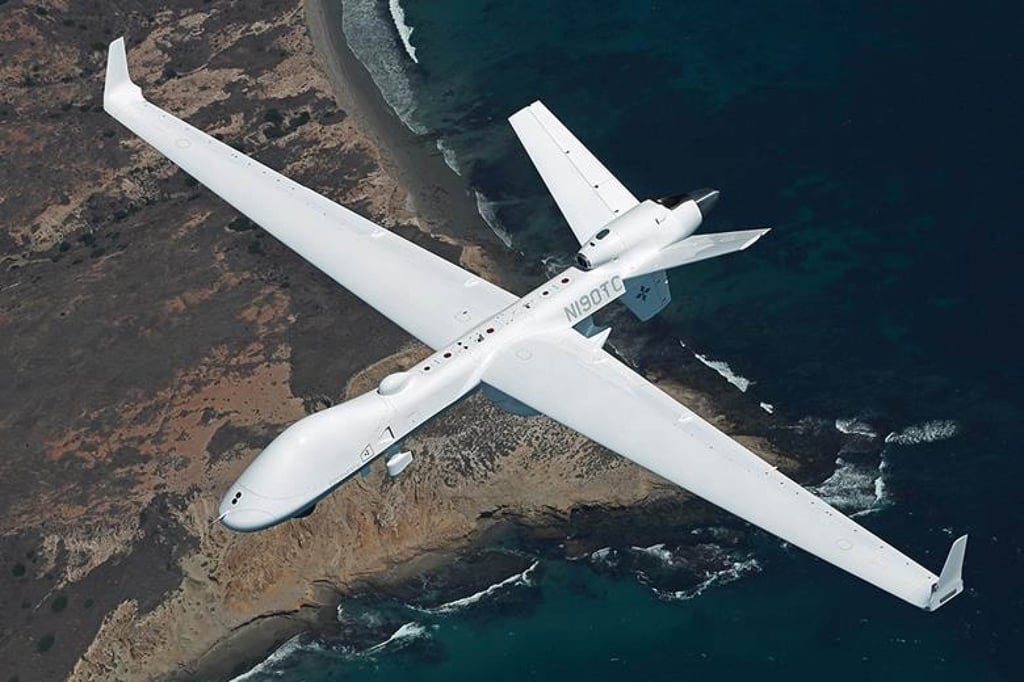
These constraints, Inoue said, could accelerate Tokyo’s push towards unmanned systems. In its fiscal 2027 budget request, the Defence Ministry earmarked US$1.84 billion to acquire 17 MQ-9B SeaGuardian unmanned drones for wide-area surveillance across Japanese waters.
At the same time, Inoue noted that broader procurement shifts could help domestic manufacturers: “Growing demand for missiles could create stronger market incentives to expand production capacity and strengthen the broader supply chain.”
Newsham said Tokyo needed to continue to expand its industrial base to manufacture hardware and components currently sourced from the US.
“Total self-reliance is impossible, but with effort Japan can greatly reduce its current dependence and shortfalls,” he said, adding that whatever the cost, it was cheaper than losing a war or its sovereignty to China.
“The more Japan does to defend itself, the more likely it will have American support for Japan’s defence.”
KioskNews shows a cleaned-up reading view extracted from the publisher’s page — the original always lives on their site, not ours.