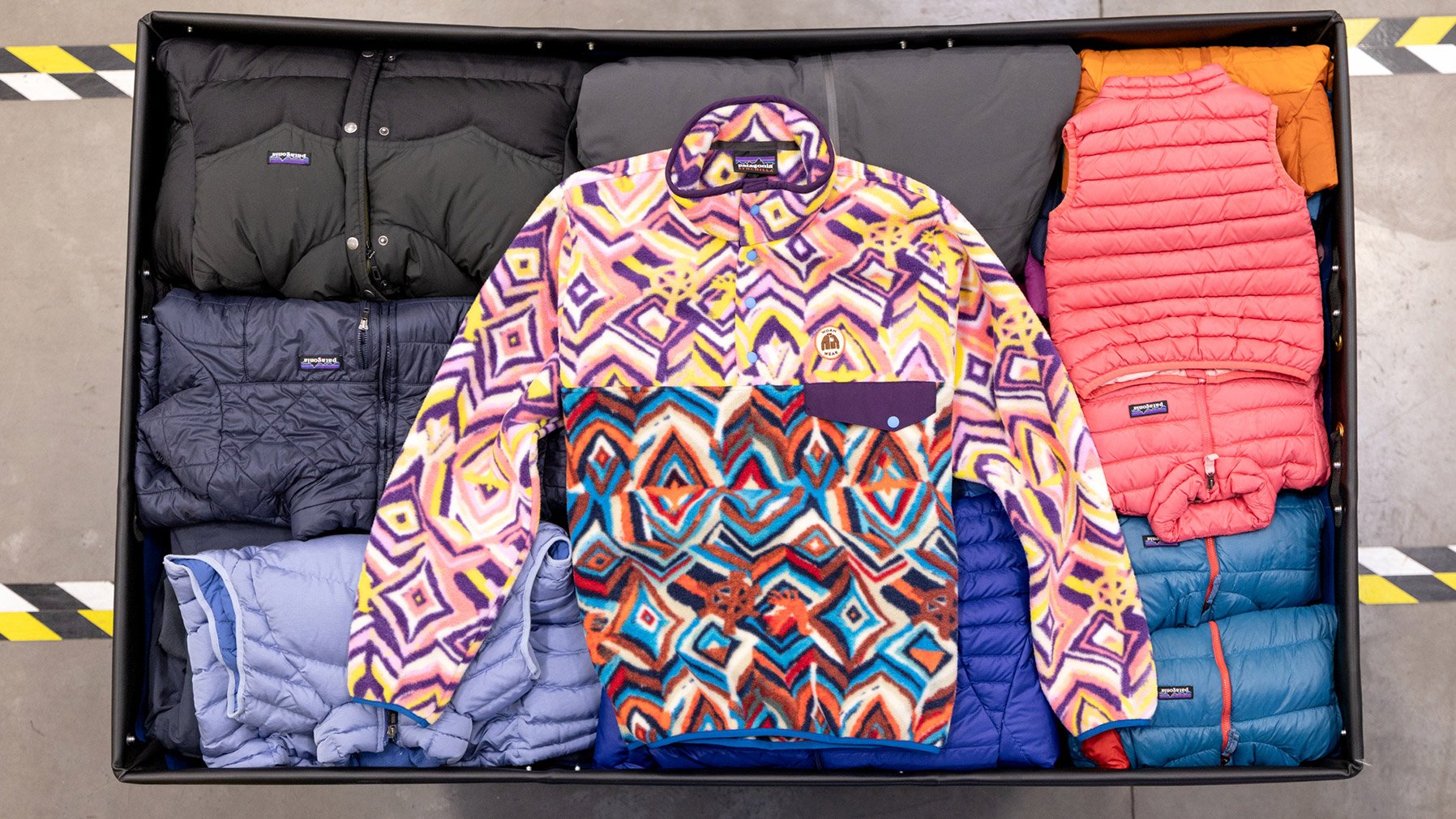
Patagonia now sells it Worn Wear collection of refurbished gear right alongside its new products
We may earn revenue from the products available on this page and participate in affiliate programs. Learn more ›
People tend to hang onto their Patagonia gear, which can make finding it tricky to find second-hand. You flip through thrift racks, squint at blurry tag photos on eBay, or check WornWear.com, the separate storefront Patagonia has run its resale business through since 2017. That used shop is moving. As of October 14, Worn Wear’s used inventory lives on Patagonia.com, where secondhand garments and new ones share a cart, a checkout, and sometimes a shipping box.
It’s the same site that runs Patagonia’s end-of-season clearance sales, so used gear now reaches far more shoppers than a standalone resale site ever did. Sam Brown, Patagonia’s head of resale, told PopSci the company is one of the first in the U.S. to sell used and new together this way at its scale. Worn Wear sold nearly 160,000 items in fiscal 2026, good for about $13 million in net sales, according to Patagonia.
How Worn Wear went from pop-up to Patagonia.com
Patagonia has repaired customers’ clothes since the 1970s, but selling used gear took longer to figure out. When the online resale shop opened in 2017, it worked like a pop-up, according to Roos VanDeWeerd, who handles Worn Wear marketing. Inventory took so long to build that the shop would sell out and go quiet until enough trade-ins came back in.
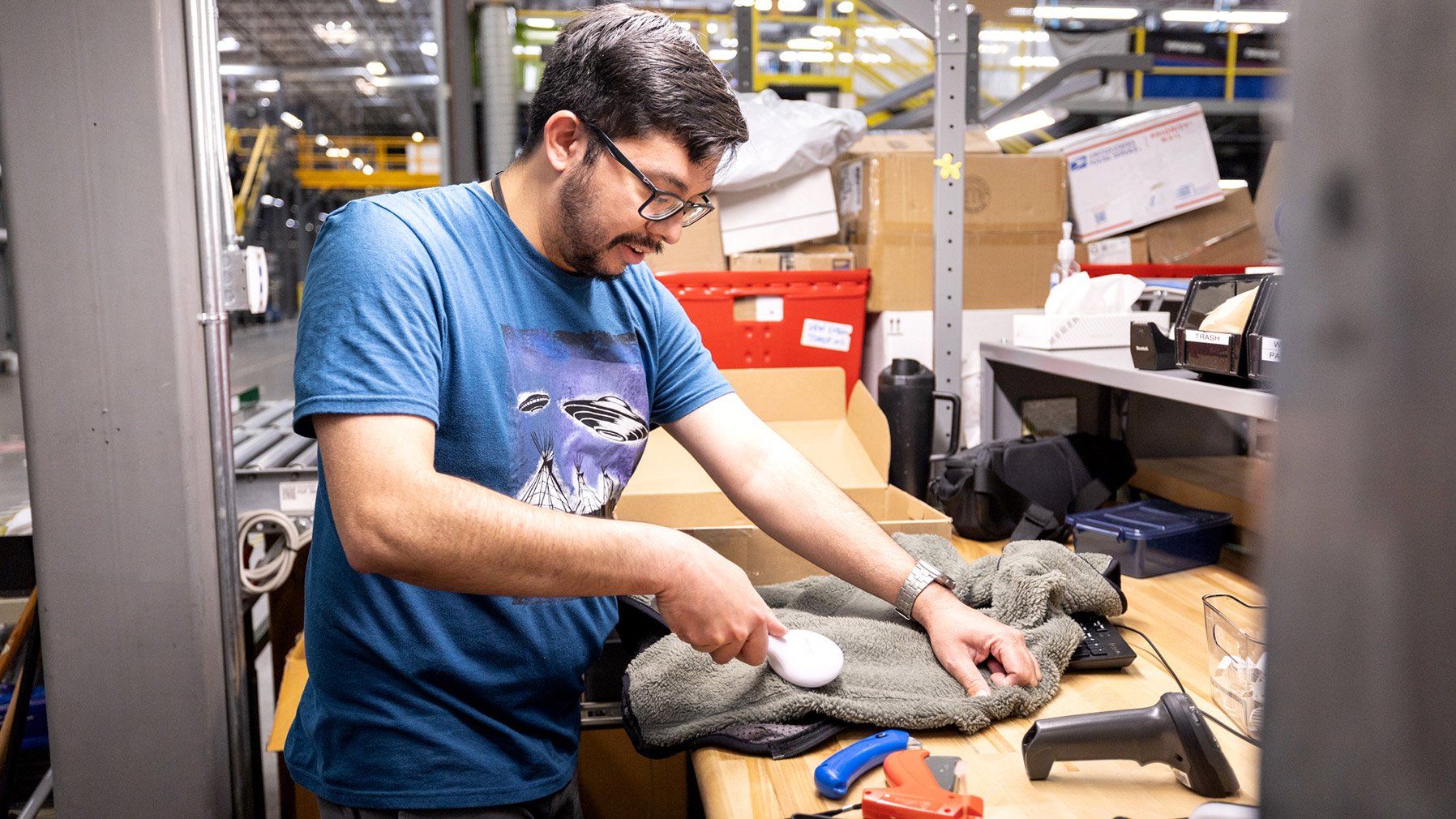
The site now carries around 40,000 items at a time, Roos said. Patagonia also pulled warehousing, shipping, and customer service back from an outside vendor and into its own warehouse in Reno, Nevada. Worn Wear’s team of more than 40 associates processed over 230,000 items last year. Moving the storefront onto Patagonia.com is the last piece of that in-house shift.
Resale is an awkward fit for retail software. Every listing is a one-off with its own size, color, condition, and photos, so Patagonia had to build back-end systems that work differently from the ones behind its new stock. Owning the whole chain lets the company control how buying used feels, from inspection to the box on your porch.
How Patagonia grades Worn Wear gear
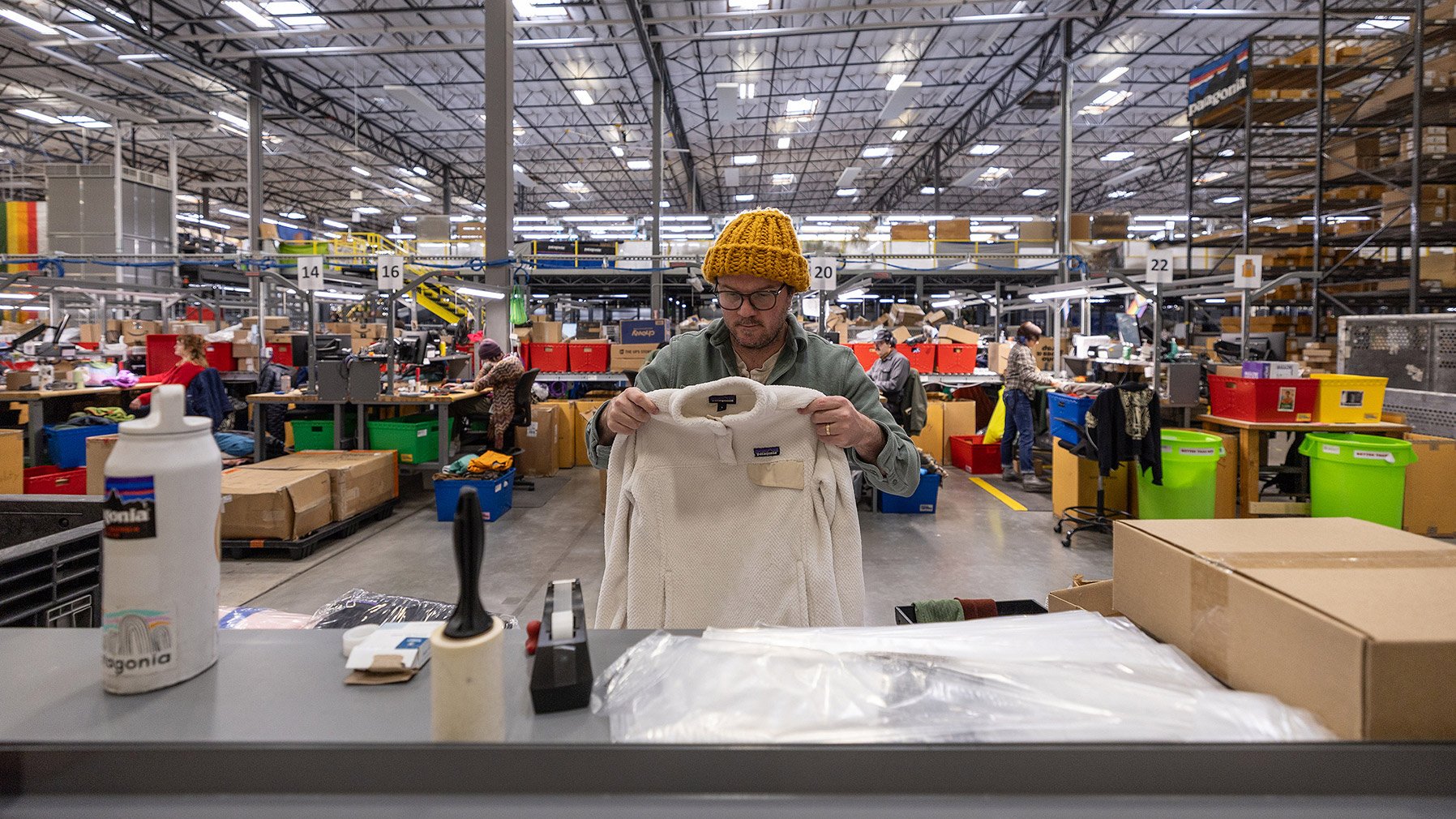
About two-thirds of Worn Wear’s stock comes from customer trade-ins, Brown said, and roughly a third comes from returns and warranty claims. Patagonia employees check every piece for authenticity, condition, function, and cleanliness. Brown called the grading relatively strict. Items that pass get one of three grades (Excellent, Great, or Good), and listings spell out flaws like faint to moderate pilling.
What happens after checkout is the bigger difference from Depop or eBay. Patagonia says used items get the same returns process and Ironclad Guarantee as new ones, so a jacket that disappoints goes back to Patagonia instead of to a seller who stopped answering messages. When we compared Worn Wear to a carmaker’s certified pre-owned program, Roos said that’s how the team describes it internally.
Gear that has been through the program carries a mark on its tag. Older pieces have “WW” written on the label, and Patagonia is moving to a stamp. Brown said the QR codes Patagonia has started putting in new products should make secondhand pieces much easier to identify once they start coming back in about five years.
Worn Wear restocks every Wednesday
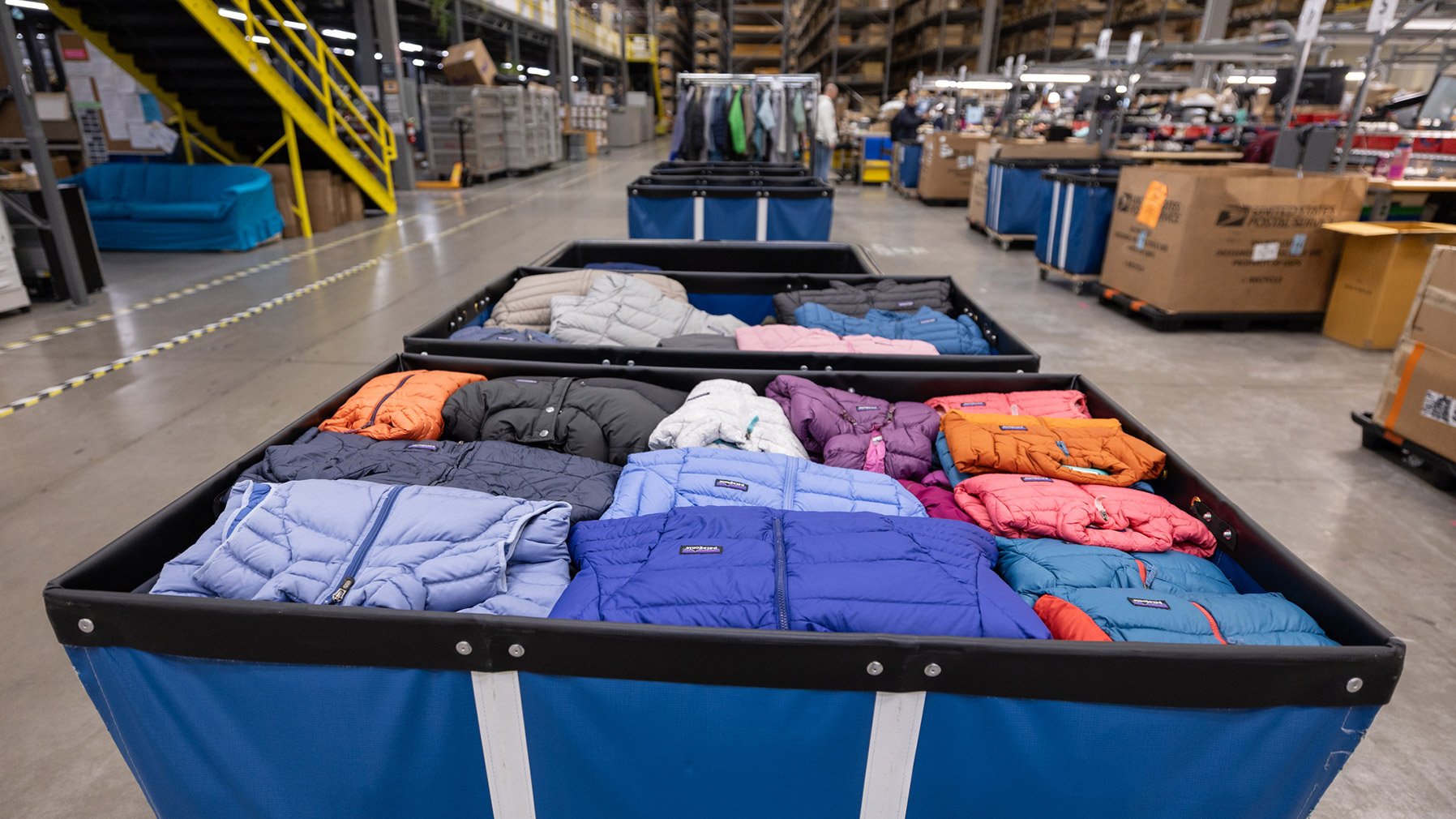
Used gear gets its own Used section on Patagonia.com, with filters for sport, function, gender, and size. The selection is shallow but wide, since a given jacket might exist in a single size and color. It reaches back about 20 years, Brown said, so styles that left the new catalog long ago can turn up whenever someone trades one in.
New listings go live every Wednesday, and the Just Added section has been the most popular part of the shop, according to Roos. Collectors should keep expectations in check. Brown recalled spotting a Rhythm Hoodie in the photo queue in Reno, a piece he estimated trades for about $1,000 on eBay, though Roos stressed that finds like that rarely happen.
Demand isn’t the hard part. Brown said Worn Wear sells pretty much everything it takes in, which makes supply the main limit on growth. The two items that move fastest are Nano Puff jackets and Black Hole duffels, and those are the ones he’d most like people to send in.
How to trade in Patagonia gear for credit
Trade-ins made the jump to Patagonia.com about a year ago. You can bring gear to a U.S. Patagonia store, where Brown said credit comes instantly, or mail it in after an online quiz estimates its value. Patagonia’s trade-in page says most items earn around 20 percent of MSRP, with jackets ranging from $10 to $200 and $7 deducted from mail-in credit for shipping.
Mail-in credit typically shows up 7 to 10 business days after Patagonia receives the box. Items need their size and care tags, and Patagonia won’t take T-shirts, baselayers, shoes, or anything with holes or broken zippers. Rejected pieces come back free or get recycled, your choice. Brown said Patagonia doesn’t send any of the rejected gear it keeps to a landfill.
Thrashed gear has a separate route. Roos said Patagonia employs about 80 repair technicians in Reno, and they’ll go a long way to keep a piece wearable, including patching the same boardshort seam over and over. A fully delaminated shell may be evaluated for a warranty replacement. For gear past saving, Brown said the Reno team finds an end-of-life solution, keeping it out of the waste stream that cheap clothing feeds.
KioskNews shows a cleaned-up reading view extracted from the publisher’s page — the original always lives on their site, not ours.