The 6 Best Books of the Year 1990, Ranked

Luc Haasbroek is a writer and videographer from Durban, South Africa. He has been writing professionally about pop culture for eight years. Luc's areas of interest are broad: he's just as passionate about psychology and history as he is about movies and TV. He's especially drawn to the places where these topics overlap.
Luc is also an avid producer of video essays and looks forward to expanding his writing career. When not writing, he can be found hiking, playing Dungeons & Dragons, hanging out with his cats, and doing deep dives on whatever topic happens to have captured his interest that week.
Sign in to your Collider account
1990 was a strong year for literature, producing several novels that have since become modern classics, as well as the foundations for multi-decade franchises. Established authors delivered some of their finest work, while budding writers published books that would go on to define their careers.
The year's highlights cover a range of genres, from sci-fi and fantasy to historical fiction, drama, and boundary-pushing fiction/autobiography hybrids. The best of them continue to resonate almost forty years later.
6 'Possession: A Romance' (1990)

"The truth is that I do not love you." This romance/drama/literary mystery follows two modern-day academics, Roland Michell and Maud Bailey, who uncover evidence of a previously unknown relationship between two Victorian poets, Randolph Henry Ash and Christabel LaMotte. And, as they investigate the poets' correspondence and personal histories, Roland and Maud gradually develop a relationship of their own. The book alternates between the present and the Victorian past, incorporating letters, poems and journal entries.
The book is ambitious and complex, with author A.S. Byatt creating an entire fictional body of Victorian poetry to support the story, convincingly imitating the styles and intellectual concerns of the period. This allows the themes to come through beautifully, particularly around interpretation and the ways we attempt to understand the lives of those who came before us. Not for nothing, it took home that year's Booker Prize.
5 'Good Omens' (1990)

"You don't have to test everything to destruction just to see if you made it right." This cult classic represented the creative team-up of Neil Gaiman and Terry Pratchett. A fantastical divine comedy, Good Omens revolves around Aziraphale, an angel, and Crowley, a demon, who have spent thousands of years living on Earth and have grown rather fond of humanity. When the Antichrist is born and the apocalypse approaches, the unlikely friends decide to interfere with the divine plan in hopes of preventing the end of the world.
The plot is juicy and jam-packed with colorful characters and absurd scenarios, including demonic highways, grumpy witch-finders, explosive witches, harmless hellhounds, cassette tapes that morph into the Best of Queen, and the return of the Four Horsemen of the Apocalypse (now riding motorbikes). Beneath the comedy, however, Good Omens also offers thoughtful commentary on morality and free will.
4 'Tehanu' (1990)

"What cannot be mended must be transcended." Tehanu is the fourth book in the beloved Earthsea fantasy series, although it differs considerably from its predecessors. Rather than focusing on grand adventures and powerful magic, the story centers on Tenar, a former priestess who has settled into an ordinary life on the island of Gont, eventually taking responsibility for a severely abused young girl named Therru.
Meanwhile, Ged, once one of Earthsea's most powerful wizards, returns to Gont having lost his magical abilities, forcing him to reconsider his identity and place in the world. Although there are still genre elements at play here, like prophecies, curses, and dragons, the book is more interested in drama and psychology. Subverting traditional heroic fantasy, Tehanu places a premium on quieter, more ordinary forms of strength. Its treatment of gender dynamics has been especially praised.
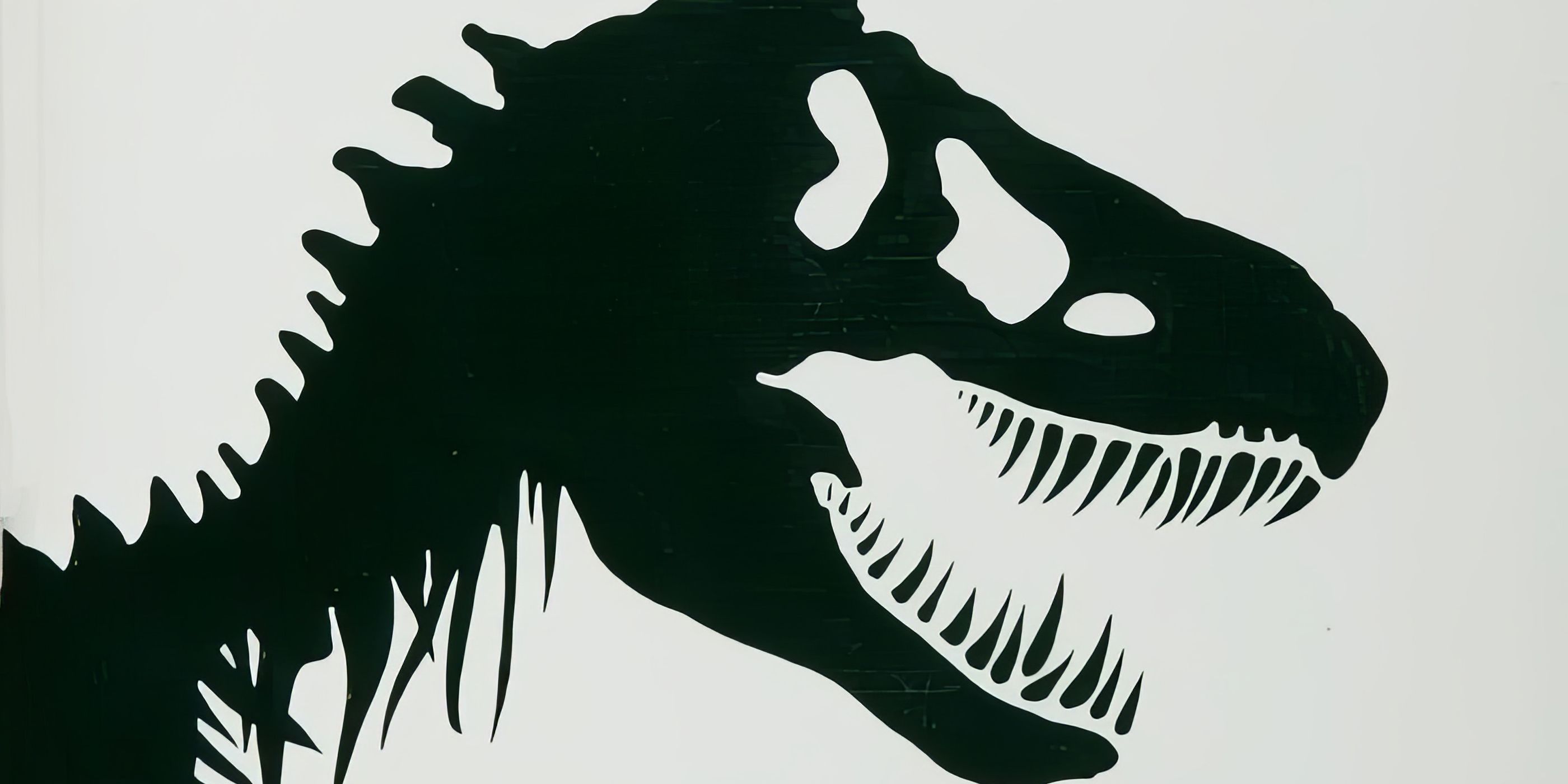
3 'Jurassic Park' (1990)

"Life finds a way." Spielberg's movie elevated it to blockbuster heights, but Michael Crichton's original Jurassic Park novel is a banger in its own right, serving up a killer premise and a propulsive plot. The setup is world-famous at this point: billionaire John Hammond builds a theme park populated by genetically engineered dinosaurs. He invites a group of experts to inspect the facility, including paleontologist Alan Grant, paleobotanist Ellie Sattler, and mathematician Ian Malcolm. Predictably, things go horribly wrong.
The park's security systems fail, allowing the dinosaurs to escape their enclosures and wreak havoc. To add to the immersion, Crichton devotes substantial attention to the scientific and philosophical implications of genetic engineering. That said, the book is considerably darker and more violent than the movie, at times more like an outright horror. Some of the characters also act very differently here compared to their cinematic counterparts.
2 'Rabbit at Rest' (1990)

"Life is a hill that gets steeper the more you climb." That year's Pulitzer Prize went to Rabbit at Rest, the concluding entry in John Updike's acclaimed tetralogy. The series focuses on Harry "Rabbit" Angstrom, a former high school basketball star whose life has become a reflection of changing American society. Now approaching 60, Rabbit is increasingly unhealthy and struggling to find satisfaction in his comfortable but unremarkable existence.
His relationship with his son Nelson is particularly strained, while his marriage to Janice continues to suffer from years of accumulated disappointment and resentment. Rabbit himself is frequently selfish, insensitive, and difficult to like, yet Updike renders his anxieties with considerable insight. Indeed, the author's eye for detail is impressive; he really captures the consumer culture of late-'80s America, as well as the textures of everyday life, making these mundane elements almost poetic.
1 'The Things They Carried' (1990)
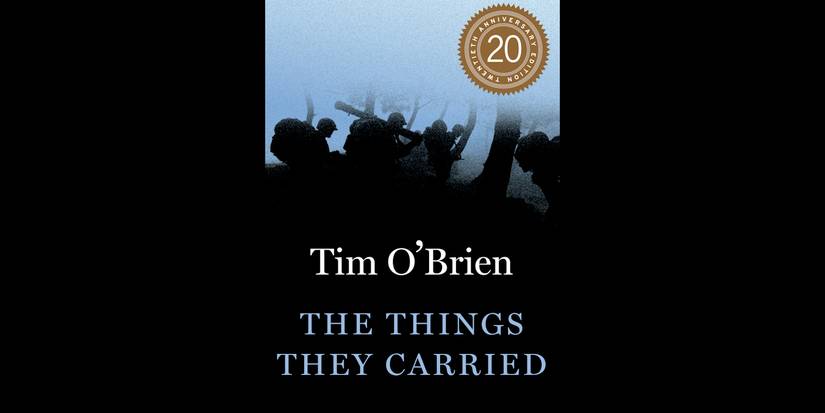
"They carried all the emotional baggage of men who might die." This landmark blurs the line between memoir and short-story collection, incorporating both autobiography and fiction in a way that was groundbreaking for the time. Drawing heavily on author Tim O'Brien's own experiences as a soldier, the book follows members of a fictional platoon serving in Vietnam. Its opening story catalogs the objects carried by the soldiers, ranging from weapons and ammunition to letters, photographs, and good-luck charms.
These possessions gradually become symbols of the emotional weight the men carry, including fear, grief, guilt, and memories of home. What distinguishes The Things They Carried from conventional war fiction is its extraordinary examination of memory, truth, healing, and the difficulty of talking about trauma. In the process, it becomes a reflection on the nature of storytelling itself.
Collider Exclusive · 8 Questions · 2 Minutes Which Iconic Fandom Should You Join? Harry Potter · Lord of the Rings · Star Wars · Star Trek
Eight honest questions about how you actually are: what you put on when you need cheering up, how deep you go into the things you love, what you argue about, what you keep on your shelf. Answer them and we will tell you where you belong. Four of the biggest fandoms on earth are taking new members, and they could not be more different from one another.
⚡Harry Potter(Wizarding World)
💍Lord of the Rings(Middle-earth)
⚔️Star Wars(A Galaxy Far Away)
🖖Star Trek(The Final Frontier)
01
What do you put on when you need cheering up? Nobody is brave about this one.
02
How deep do you go into something you love? There is no shallow end here, only different deep ends.
03
What do you and your friends actually argue about? Every fandom has one argument it has been having for years.
04
How do you feel about a room full of strangers? Every one of these comes with a very big room.
05
Where would you rather spend a week? Pick on instinct rather than on budget.
06
What do you believe about people, mostly? All four of these stories have an answer, and they disagree.
07
What is actually on your shelf? Look over at it before you answer.
08
What do you actually want from a story? Eight questions in, this is the one that picks your fandom.
Membership Confirmed Your Fandom Is…
Four of the largest communities on the planet, and four completely different reasons to belong to one. Here is yours, what it would give you, and the argument you would be having within a week.
Harry Potter
You belong to the fandom that is really about comfort. Hogwarts works on people because it is a place rather than a plot, and the pull is not the wizard war so much as the corridors, the food, the weather and the sense that somebody is expecting you.
- You are drawn to belonging, which is why this fandom sorted itself into houses within about five minutes and has never stopped.
- This is the most social of the four, and the one most likely to know which type every single person in your life would be.
- The books are built to be reread rather than analysed, and rereading is exactly what you do with things you love.
- The new HBO series is bringing the whole thing back one book at a time, which means the arguments are about to start all over again.
Lord of the Rings
You belong to the deepest fandom on this list, the one where somebody has always read further than you and is quietly delighted to say so. Middle-earth rewards patience more than any other world in popular culture.
- You like the sense that the story you are reading is only the visible part of something enormous, which is precisely how Tolkien built it.
- This fandom takes adaptation seriously to a degree that other fandoms find slightly alarming, and it has good reasons for that.
- Your favourite thing about the books is probably the bit that is not action at all, which is the walking, the songs and the long goodbyes.
- Nobody here thinks heroism belongs to the powerful, and the whole story exists to make that argument.
Star Wars
You belong to the loudest and largest tent of the four, the one where three generations are all watching the same thing and none of them agree about any of it. That disagreement is not a flaw in this fandom, it is the main activity.
- You want something you can share with absolutely everybody, from a six year old to a grandparent, and this is the only one on the list that really does that.
- Nobody argues like Star Wars fans argue, and the argument has been running since roughly 1980 with no sign of resolution.
- The pull here is sensory before it is narrative, since it is the sound design, the score and the look of a used and dented galaxy.
- You would be first in the queue, in costume, with strong opinions and a genuinely good time.
Star Trek
You belong to the thinking fandom, the one that turns up for the argument rather than the explosion. Trek has always been a series of ethical problems in space, and the people who love it love being asked what they would have done.
- You are an optimist in a way that is currently unfashionable, and this is the only major franchise still willing to say the future might be better.
- The best episodes are the ones where nobody fires anything, which is a sentence that makes perfect sense to this fandom and to nobody else.
- Starfleet Academy brought the franchise back to a classroom in 2026, which is appropriate, because Trek has always been a bit of a seminar.
- You would want the conversation afterwards more than the episode itself, and here you will always find somebody willing to have it.
KioskNews shows a cleaned-up reading view extracted from the publisher’s page — the original always lives on their site, not ours.