Five challenges facing Andy Burnham as he seeks closer ties with the EU
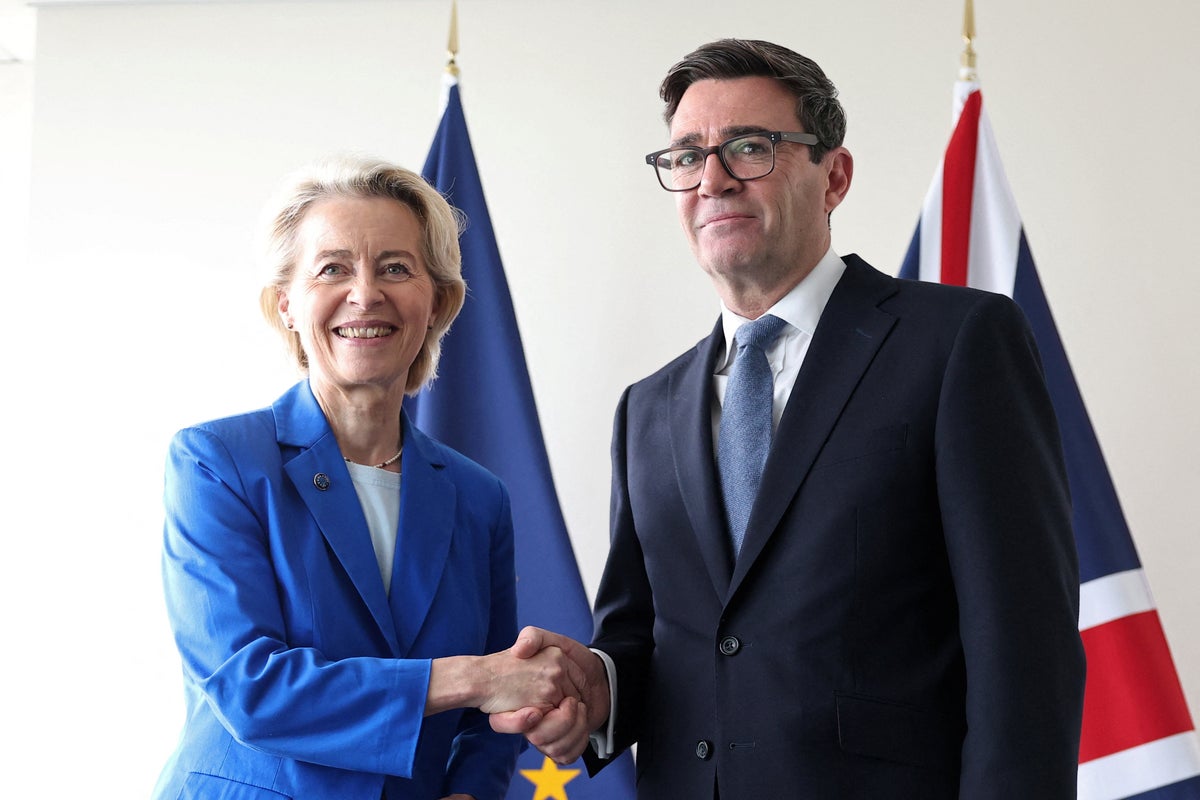
Prime Minister Andy Burnham heads to Dublin on Thursday for a European Political Community summit, before travelling to Brussels the following week for the second UK-EU summit since Britain left the bloc a decade ago.
It is a significant moment for the new prime minister, who has made closer ties with Europe a priority. But with his own Cabinet divided and questions mounting over how far he intends to go, his ambitions could prove a major test of his leadership.
On the latest episode of In The Room, former deputy cabinet secretary Helen MacNamara and ex-No 10 special adviser Cleo Watson identify five challenges facing Burnham as he attempts to reset Britain's relationship with Europe.
Labour's manifesto problem
A new Labour leader does not mean a new Labour manifesto.
Burnham remains bound by the party's 2024 election pledges, which committed Britain to staying outside the EU, the single market and the customs union.
But while the prime minister has promised to honour those commitments, he has also expressed a desire to see Britain rejoin the EU within his lifetime.
It is a shift in rhetoric that has left Helen with “whiplash”, and raises questions about public trust.
“They were really, really clear: we are not going to try and rejoin the EU. A lot of the places where Labour really gained seats were Leave-voting areas in 2016, including Andy Burnham’s seat [in Makerfield].
“I worry about trust – effectively you're saying, ‘You can't have faith and trust in politicians... we said we weren't gonna join the EU, but actually, we probably are.’”
His Cabinet isn't united
If Burnham hopes to reshape Britain's economic relationship with Europe, he will need the support of his Chancellor.
But on 30 October, John Healey appeared to pour cold water on the prime minister's ambitions, saying he did not expect Britain to rejoin the EU in his lifetime.
Healey also rejected suggestions that returning to the single market would boost economic growth.
The Treasury subsequently dismissed his remarks as a joke, but senior Whitehall sources reportedly told The i Paper that Burnham had been angered by the intervention.
For a prime minister already facing questions about his intentions, public disagreement with his Chancellor is hardly an ideal starting point.
His parliamentary majority could make matters worse
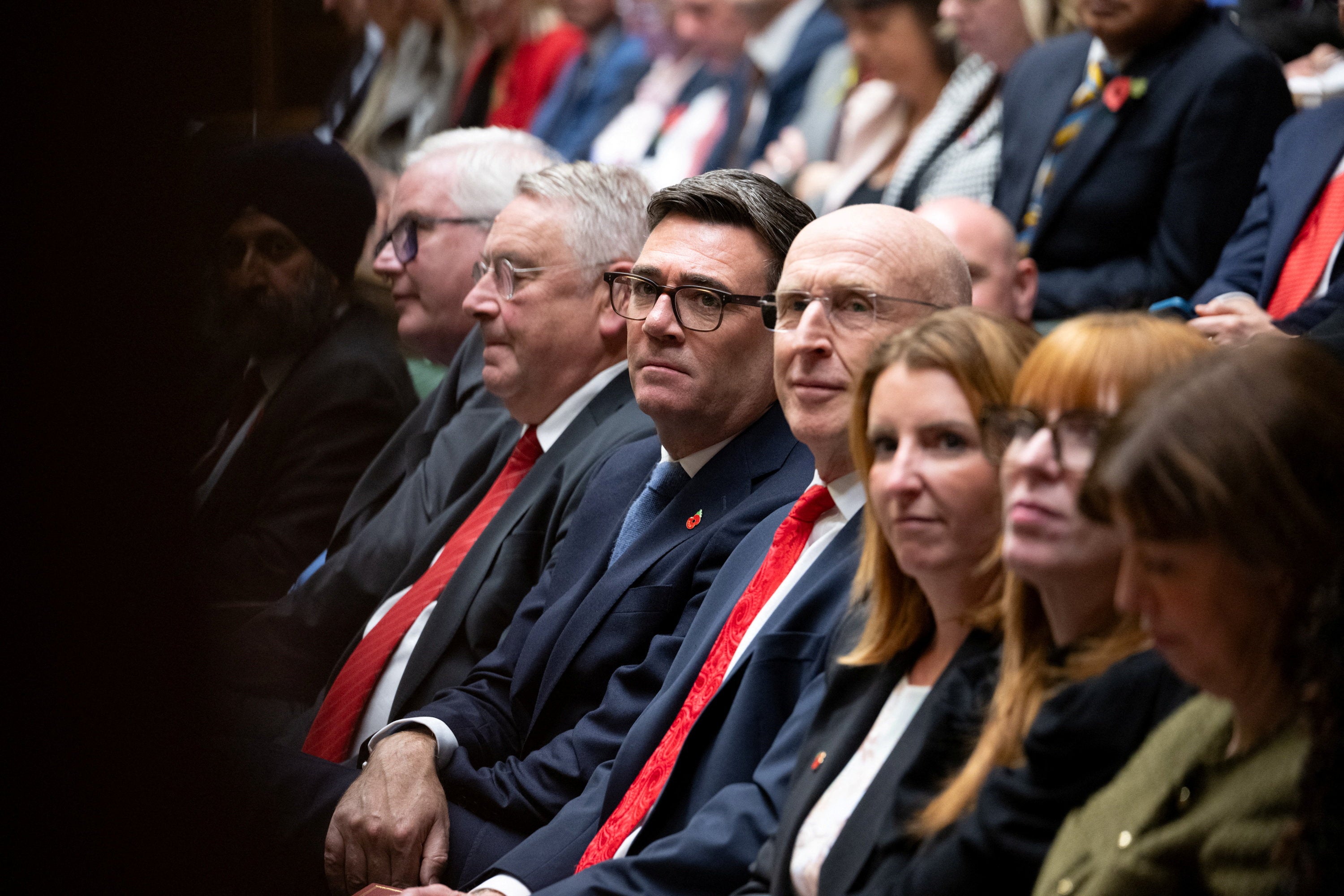
A commanding Commons majority might appear to give Burnham room to manoeuvre. But Cleo warns that having the numbers does not necessarily mean having the support.
She points to the rebellions over welfare reform and winter fuel payments under Keir Starmer, when Labour MPs felt sufficiently secure in their majority to defy the leadership.
The divisions now extend to Burnham's own Cabinet. According to The i Paper, 15 ministers are understood to favour rejoining the EU, while 13 are either undecided or opposed.
And beyond Westminster, the prospect of reopening Brexit has already prompted warnings from Labour MPs representing Leave-voting constituencies.
In October, Jonathan Hinder told Newsnight that revisiting the debate risked further alienating voters who already feel ignored by Westminster.
“A lot of my constituents and constituents of many other MPs in areas of the country like mine think that Westminster treat them with contempt.”
Does Burnham actually have a plan?
For Helen, the biggest concern is whether the government has a coherent negotiating strategy.
Any attempt to secure a closer relationship with the EU will require detailed preparation and agreement across Whitehall, particularly when dealing with a bloc representing 27 countries.
But with ministers expressing different views about the government's objectives, Helen fears Britain risks entering negotiations without a sufficiently clear position.
“I just worry that we're sort of vaguing around.
“And in the meantime, the people who are on the other side of the argument in the European Union have not only got their shoes on, but they've laced them up. They've had 15 meetings. They've thought all this stuff through.”
Could Europe unite the left and divide the right?
Despite the political risks, Cleo sees a possible upside for Burnham.
A renewed push towards Europe could bring Labour closer to the Liberal Democrats and Greens, both of which support rejoining the EU, while leaving the Conservatives and Reform UK competing over who can take the toughest position on Brexit.
But Helen questions whether such calculations risk repeating the mistakes that helped fuel the Leave vote in the first place.
She argues that Burnham's political appeal has been built partly on challenging Westminster's instincts, rather than indulging them.
“Doesn’t that just mean it becomes another SW1 thing? You’re absolutely right about the instincts of the political parties on the left. But it’s not the instincts of the people who voted.”
The question for Burnham, then, is whether the potential economic and political gains of closer European ties outweigh the risks of reopening one of Britain's most divisive debates.
Listen to the full episode of In The Room on Apple Podcasts and Spotify, or watch on YouTube.
KioskNews shows a cleaned-up reading view extracted from the publisher’s page — the original always lives on their site, not ours.