Brexit’s back – but are British voters ready to contemplate a reversal?

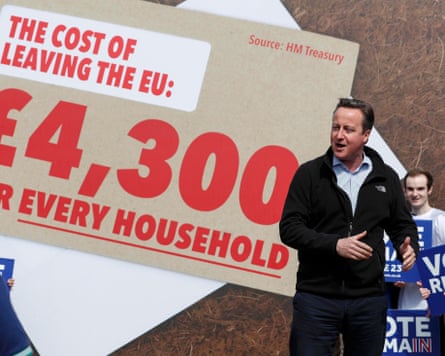
In February 2016, days after David Cameron announced the UK would hold a referendum on leaving the EU, he told workers in Slough not to imagine they could change their minds a few years down the line if they did not like how things panned out. Voting to stay in or leave was a once in a generation thing, he said. “This is a decision that lasts for life.”
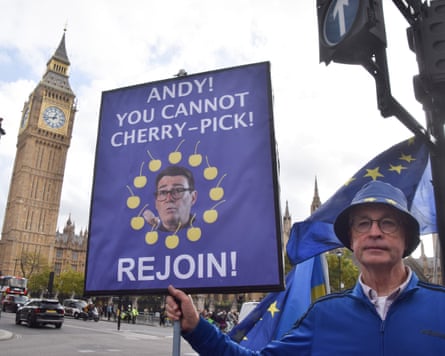
Well times change, as the last prime minister but five could testify. A decade after Britain told Brussels where to go, Brexit is back on the political agenda. After years in which many politicians avoided any mention of the B-word, Andy Burnham broke the omertà in his party conference speech last month, saying he would look again at Britain’s relationship with Europe.
This week he went further, insisting the current arrangement must change: “Sticking with the status quo is not good enough for Britain.” Among a range of options on the table, he has been clear, is the possibility of going “all the way” and rejoining the EU.
There are pressing economic reasons Burnham has been talking up closer alignment, as the EU works out its position on the UK’s access to its protectionist “Made in Europe” legislation, which the prime minister has said could hurt British manufacturing.
But after years of bitter division and political dysfunction in the fallout from the vote, are the British public really ready to talk about Brexit again – and even to contemplate reversing it?
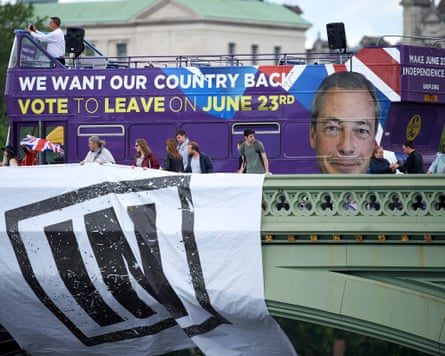
Polling evidence may suggest so. A “megapoll” of more than 11,000 people published this month found that half of Britons now support rejoining the EU, with only 28% opposed, and the remainder undecided. Almost 60% think it was wrong to leave.
Sliced some ways, the numbers are even more striking: a More in Common survey in June to mark a decade since the vote found that if another referendum was held today across Britain’s 632 constituencies, just 11 would vote to leave (even in Clacton, Nigel Farage’s constituency, 52% supported rejoining).
What changed? To the polling expert Rob Ford, a professor of political science at the University of Manchester, there are several key reasons, from demographic change to buyers’ remorse. Brexiters are fewer in number – “a lot of leave voters have died, bluntly” – and both young people entering the electorate and those who did not vote in 2016 skew heavily in favour of Europe. And with the project widely considered a disappointment at best, a proportion of those who opted to leave have switched positions.
“Although each is a relatively slow moving and relatively small incremental force, add them together over a decade and it adds up to quite a lot of change,” said Ford.
Given the divisiveness and turbulence of the past decade – and the fact many Labour MPs represent constituencies that voted to leave – it is little wonder that some senior Labour figures have expressed nervousness about reopening the debate. “[Burnham] definitely needs to proceed with caution because we don’t want to restoke division,” one cabinet minister told the Guardian.
But the view from formerly Brexit-supporting areas is not necessarily what it was. “Hull East voted 74% leave in the referendum, however I believe the mood has changed,” said Karl Turner, the Labour MP for the constituency since 2010 (he now sits as an independent after having the whip withdrawn).
“Constituents tell me they expected Brexit to improve their lives; instead many face higher costs and fewer opportunities.” As a result, he said, they were “increasingly ready to consider the practical benefits of rejoining the EU”.
Ford added: “Andy Burnham looks at the data and says, well, I’ve got an electoral coalition that’s 80% remain and becoming more so. The parties to my left that I need to squeeze have a [position] that is even more remain than that.
“And the overall balance of opinion in the country is now nudging up towards 60% in favour of remain, sometimes even higher in terms of how many think Brexit is a mistake. Why wouldn’t I move in a pro-remain direction? It’s the direction of travel of the country. The art of leadership is getting out ahead of the trends that are happening and using them to your advantage.”
Sara Hobolt, a professor in the department of government at London School of Economics, agrees that the polling data today suggests Brexit could be an effective general election rallying cry for Labour. “This is an issue that a lot of people were quite upset with Keir Starmer and his government for not talking about it. It is something that definitely mobilises the base.”
While Labour supporters and those the party wants to win back from other progressive parties overwhelmingly support remain, she points out, the Conservative party is now much more divided on the issue, having lost many of its hardline Brexiters to Reform. “That means that [by putting Brexit back on the agenda] you can potentially do more damage to the right than the left.
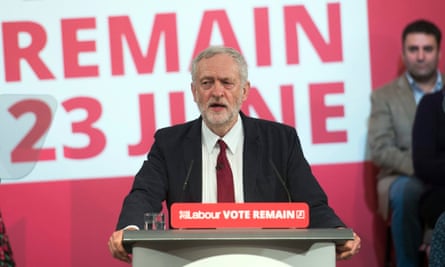
“But I think probably the main thing for Andy Burnham is that this has been seen in his electoral base as something [that has been overlooked]. ‘You talk about growth? Why are you not talking about Brexit?’ Because overwhelmingly remainers think that a lot of the economic problems we’ve faced over the last decade are due to Brexit.”
But if uniting the left before a Westminster election is one thing, winning a future Brexit referendum is a whole other challenge, as the experience of 2016 showed. “There clearly is support for rejoining the EU,” says the More in Commondirector, Luke Tryl, “the question is, how resilient would that be in the face of a referendum campaign?”
One factor is, inevitably, Brexit weariness, he says. “The British public are tired. They’ve lurched from crisis to crisis, from row to row, and I think, for some, just the idea of reopening the wounds [is unwelcome]. I think in a campaign rejoin, if it got to that, would start ahead, but I don’t think the headline polling we are seeing now would remain where it is once it was subject to a full back and forth.”
Ford agrees – noting that the EU will be resistant to serious discussions so long as there is the prospect of a wholesale reversal under a future Reform government. The risk of bringing up Brexit is not just because the subject is neuralgic to many, he says. “One of the problems during the Brexit years was it was just simply impossible to get a conversation going about all the other pressing issues that mattered.
“There is a risk for Burnham, if this thing starts to take life of its own yet again, that the big difficult conversations he wants to have about some of the longstanding structural problems in British society will be harder to have because for a lot of people in the political conversation, Brexit is like catnip – they’ll run straight to it. And then you’re not able to get them to pay attention to the issues you want them to pay attention to.”
KioskNews shows a cleaned-up reading view extracted from the publisher’s page — the original always lives on their site, not ours.