Oldest recordings of Louisiana Creole discovered in Indiana archive
A trailblazing Black linguist’s historical audio recordings have been rediscovered more than 90 years after his vital fieldwork. Originally etched onto aluminum discs, Lorenzo Dow Turner’s recordings are now the oldest known audio clips of authentic Louisiana Creole. Although the language has all-but-disappeared from daily life, the invaluable work resurfaces at a time when researchers and Creole descendents are striving to preserve—and even revive—the unique dialect.
What is Louisiana Creole?
As a language, Louisiana Creole is a distinctly American creation. Born from the international slave trade during the 18th century, the hybrid language primarily blended the French spoken by colonists and slavers with multiple West African dialects, particularly from the Senegambian region. Creole continued to evolve over ensuing generations among both enslaved and free communities, who infused French vocabulary with regionally unique grammar, sentence structures, and phrases.
“Africans with little common language were forced onto plantations where French was the language of administration. Everybody is learning approximations of French and then approximations of approximations,” Oliver Mayeux, a linguist at the University of Cambridge, recently explained. “Quite quickly, a new language is born.”
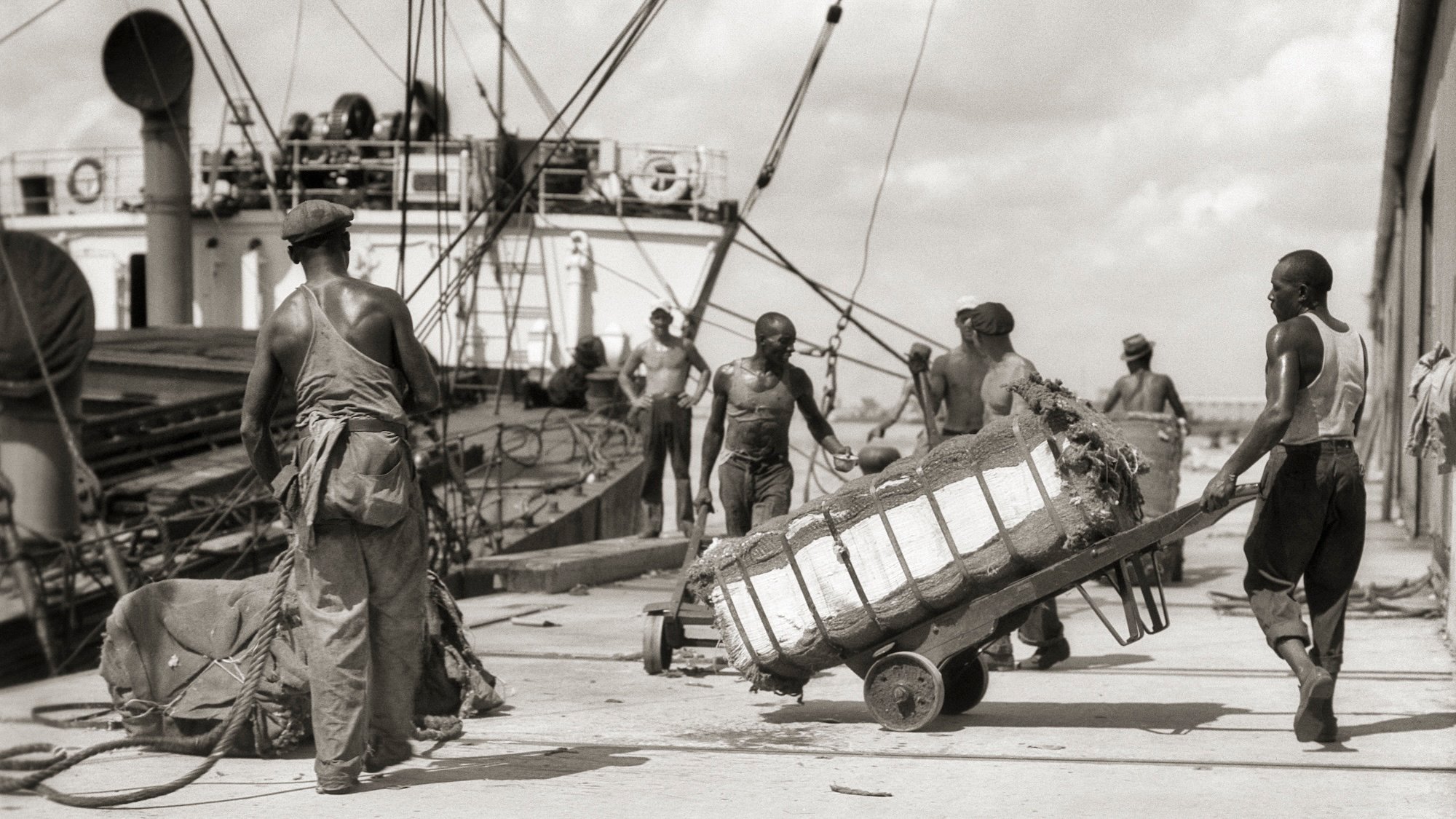
By the 19th century, Louisiana Creole was the common tongue of enslaved plantation workers and their overseers. It was also spoken by Haitian refugees, Caribbean immigrants, recently arrived Acadians from Canada, and much of New Orleans’ dock workers. Only a few thousand native Creole speakers remain today, almost all of them elderly and living in extremely rural areas of the state. But even by the 1930s, contemporary linguists like Turner understood that the language was in decline.

Kouri-vini 101 | The History and Development of Louisiana Creole + Greetings
A trip to New Orleans
Although the specifics remain unclear, it appears that Turner traveled to Louisiana in 1935 to record Creole speakers for a project that ultimately never received proper funding. These clips included interviews with many people of color, including former field workers and sharecroppers. To accomplish this, Turner relied on a network of Black doctors and academics in Louisiana to find interviewees, who he then recorded in his colleagues’ private offices.
“These were trusted spaces for the participants during the era of Jim Crow segregation, and, crucially, were wired for electricity,” said Mayeux.
Recording instruments weren’t simple, portable tools at that time. Turner’s equipment consisted of a hefty microphone and two cabinet-like boxes that collectively weighed over 100 pounds.
“For these interviewees, the alien nature of the equipment alone would have made it a truly weird experience for them,” Mayeux added.
A cast of Creole speakers
Turner apparently never published his work on Louisiana Creole, but a biography of the linguist tipped Mayeux off to the project. He eventually tracked the aluminum recording discs to Indiana University’s Archives of Traditional Music, where preservationists had already digitized them.
Mayeux was astonished to listen to the long-forgotten, clear recordings of native Creole speakers discussing their daily lives and personal histories. Some may have been more embellished than others, however. One participant, Odelia Edmond, vividly describes a childhood memory of swindling 30 cents from Zozo Labrique, a New Orleans folk figure who sold red brick dust used in protective Voodou rituals. After reviewing the clips, Mayeux described her as an “extraordinary character.”
“She had a husband who was murdered, after which she remarried. In the recording she says ‘I was so glad when they killed him,’” he said.
Another subject, George Doyle, worked as a cop until New Orleans segregated its police department around the turn of the 20th century. He remembers an instance of being assaulted by a white gang he described as a “band of rats,” which is corroborated in an archival newspaper article from 1893.
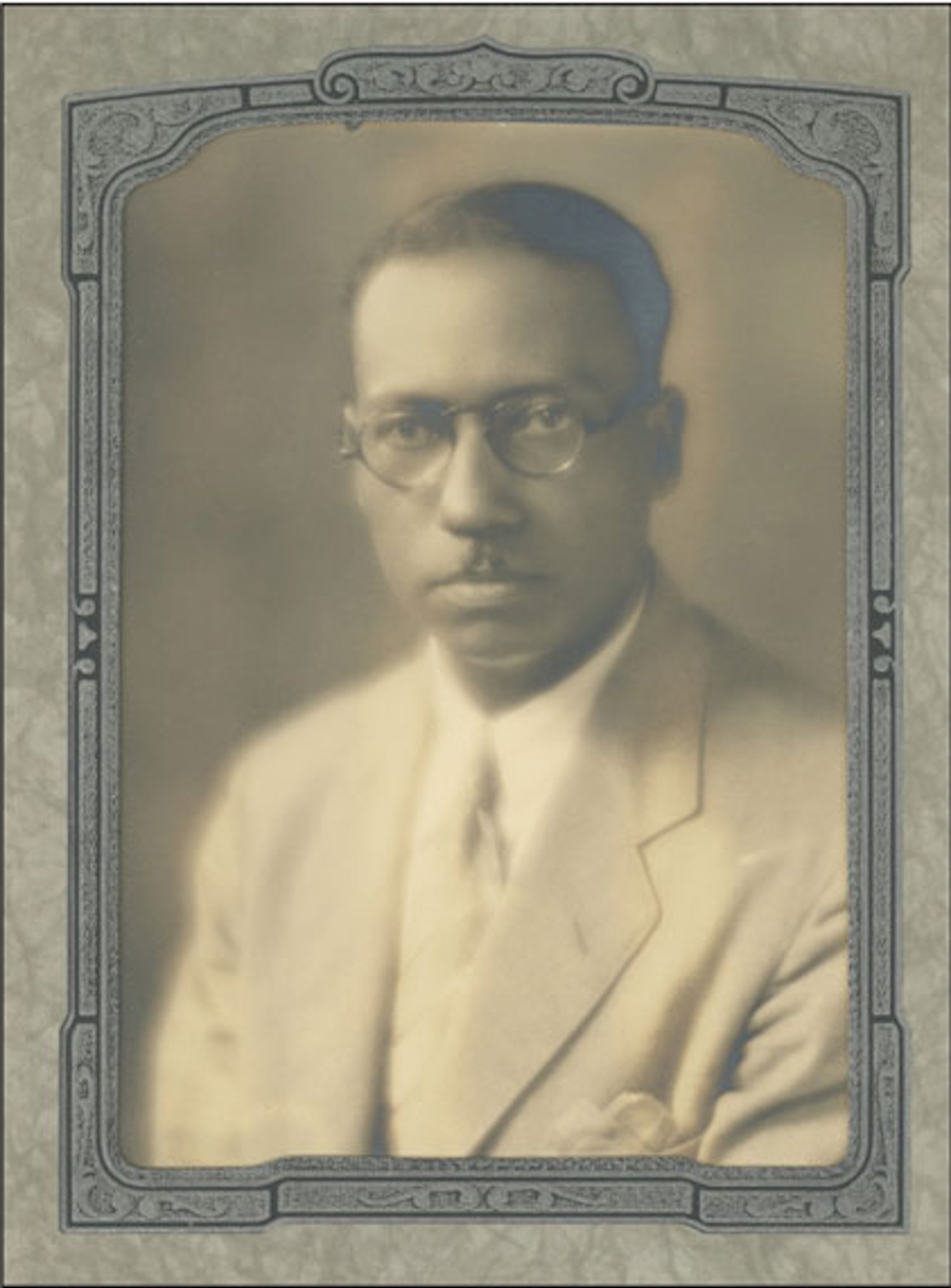
How to listen to Turner’s recordings
Turner’s once forgotten pivotal recordings are now available online for anyone to experience. The finds are not only a major development for researchers of Louisiana Creole, but for younger generations in the Kouri-Vini movement, a group working to revive the language in the 21st century.
“Young people are learning Creole to connect with the richness of their heritage, helping them discover a distinct identity in an increasingly homogenized world,” said Mayeux.
A word of caution to anyone fluent in French, however: don’t expect to have an advantage in your studies.
“Contemporary French speakers would simply not be able to comprehend this language,” warned Mayeux.
KioskNews shows a cleaned-up reading view extracted from the publisher’s page — the original always lives on their site, not ours.