Hong Kong lawmakers urge more scrutiny of Student Aid Society funding after scandal
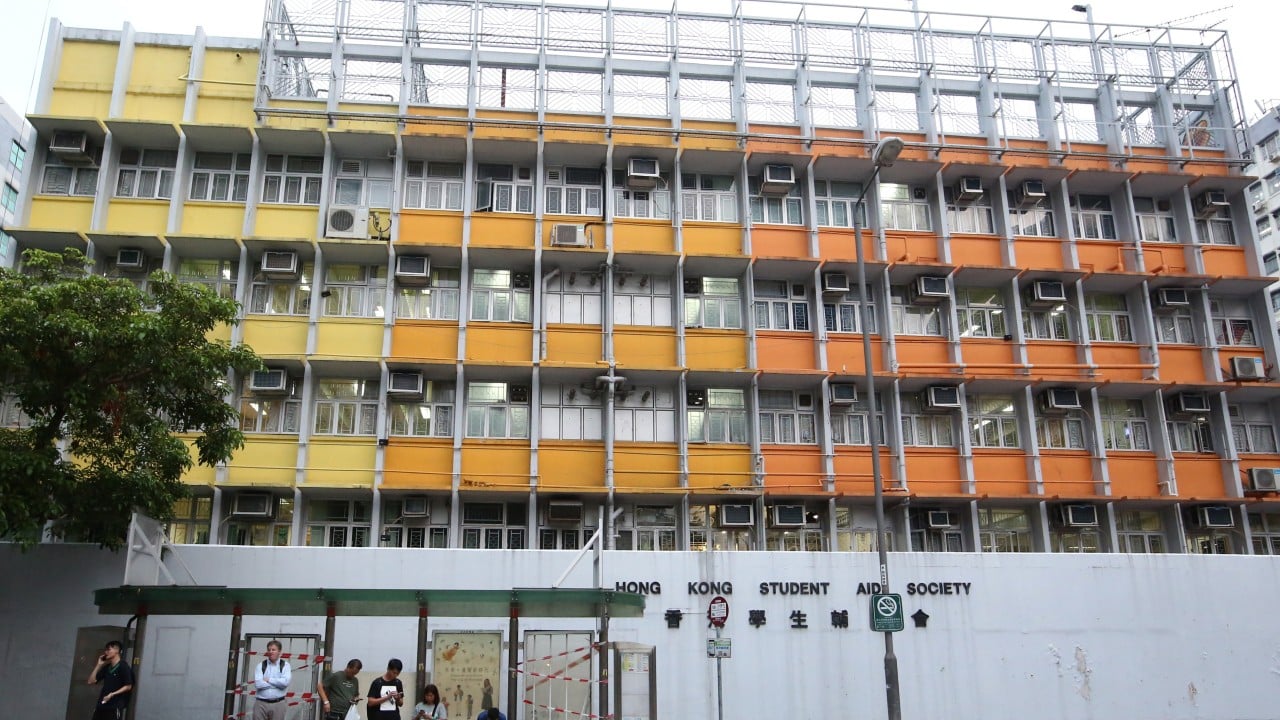
Hong Kong lawmakers have demanded tighter scrutiny over a government proposal to fund the HK$377.3 million redevelopment project of the scandal-hit Hong Kong Student Aid Society.
Residents and former staff of the NGO’s child care facilities recently alleged severe staffing shortages, high employee turnover and an inadequate food budget that reportedly left them with just HK$250 (US$32) to feed 10 people with two meals a day.
The NGO denied the allegations and in late October filed for an injunction in the High Court against three former employees, seeking to bar them from leaking or destroying confidential data, compel them to surrender relevant files and devices and disclose the names and chat histories of any journalists they had contacted.
On Monday, in a Legislative Council meeting to discuss the NGO’s proposal to build a HK$377.3 million new service building on a site in Yau Tong, multiple lawmakers questioned the government’s oversight of service delivery.
“There are quite a lot of negative reports about this NGO. Given that you are operating such a huge project, do you have a strategic plan on how to manage it effectively to ensure welfare service delivery?” lawmaker Chan Wing-kwong asked.
“I understand that the government has referred the matter to the [Independent Complaints Handling Committee on Lump Sum Grant], for follow-up. If the final outcome of this follow-up is – hypothetically speaking – that a very severe punishment is imposed, will it affect this redevelopment plan?” asked legislator Chau Siu-chung.
Lawmaker Hung Kam-in questioned whether the government would establish a mechanism to monitor the service performance of the NGO, to restore public confidence in light of the negative reports.

In response, Undersecretary for Labour and Welfare Ho Kai-ming said that although the building would be handed over to the NGO after construction because the NGO owned the land, “that does not mean they will necessarily operate it permanently”.
Ho added that the Social Welfare Department would monitor service quality at the building to ensure residents received services of appropriate quality.
“The social welfare sector in Hong Kong has been very professional. In the most serious cases [of complaints] we have seen, there could be warning letters or a suspension from bidding on new projects,” he said.
“If it really came to the absolute most extreme circumstances, we might consider withholding contract renewal once the term expires, which would be assessed down the road; however, I believe Hong Kong has never seen a case that severe.”
Yanki Cheng Ting-yan, CEO of the Hong Kong Student Aid Society, said that it had always valued the opinions of service users, colleagues and stakeholders, and had actively improved communication across the board.
Cheng said that the executive committee of the NGO used to make surprise inspections to communicate with frontline staff but had since introduced appointments.
In 2013, the NGO applied to join a special scheme under the Social Welfare Department to redevelop its old five-storey service building on Kwun Tong Road, later agreeing to surrender the Kwun Tong site in exchange for a government site on Lei Yue Mun Path in Yau Tong.
The new 19-storey service building in Yau Tong will house the NGO’s head office, a basketball court and multiple residential care facilities for children, youngsters and people with intellectual disabilities.
The main construction works are expected to cost HK$377.3 million. The NGO has secured funding from the Lotteries Fund to cover some pre-construction costs, including for contract administration and a technical feasibility study.
The project is targeted for completion in about 3½ years and will begin construction after obtaining approval from the finance committee.
KioskNews shows a cleaned-up reading view extracted from the publisher’s page — the original always lives on their site, not ours.