On Bangladesh’s temporary islands, Runa Khan helps families stand with dignity
Along the Brahmaputra River in Bangladesh, some communities live on land that is constantly shifting. They are situated on sandbar islands called char, formed by sediment deposition from major river systems.
These areas, which are continuously reshaped by erosion and flooding, are home to up to 20 million people, according to some estimates.
Runa Khan was introduced to char communities in 1997 while doing her work in preserving traditional boat-building skills.
During her visits, one moment stayed with her: a woman feeding her sick child with only two meals to save money for lamp oil. The second meal, rice and onions, was the child’s early dinner, given in hopes that he would forget his fever and sleep throughout the night.
Khan, who came from a privileged, wealthy family, said she saw the injustice and poverty that had become the reality for those living on these temporary, shifting river islands. Residents there are at risk of displacement as river erosion threatens to wash away their villages. Families have to constantly relocate even with their unstable income, trapping them in extreme poverty.
Her sadness turned to anger — and it might have been anger that pushed Khan to search for answers to help these communities.
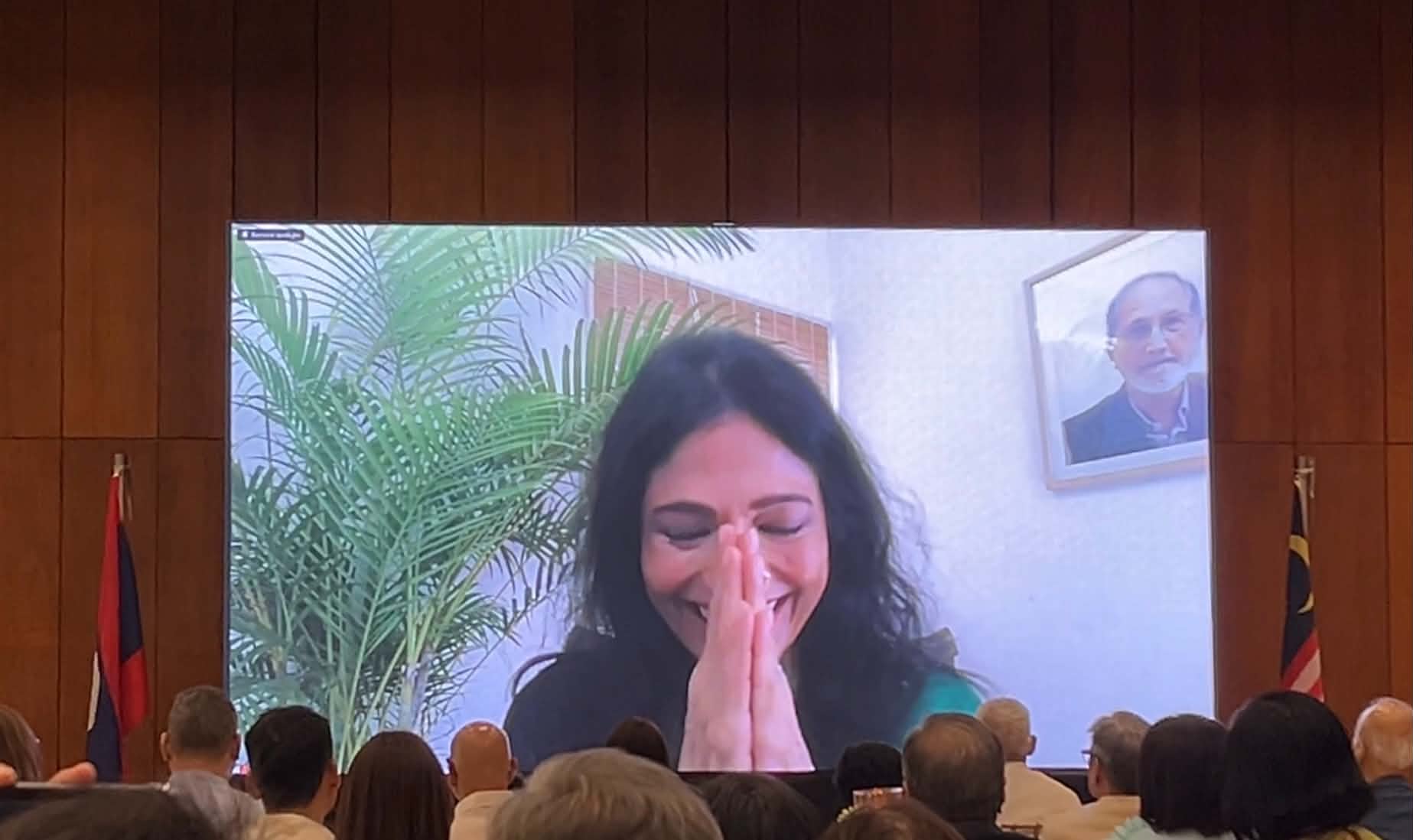
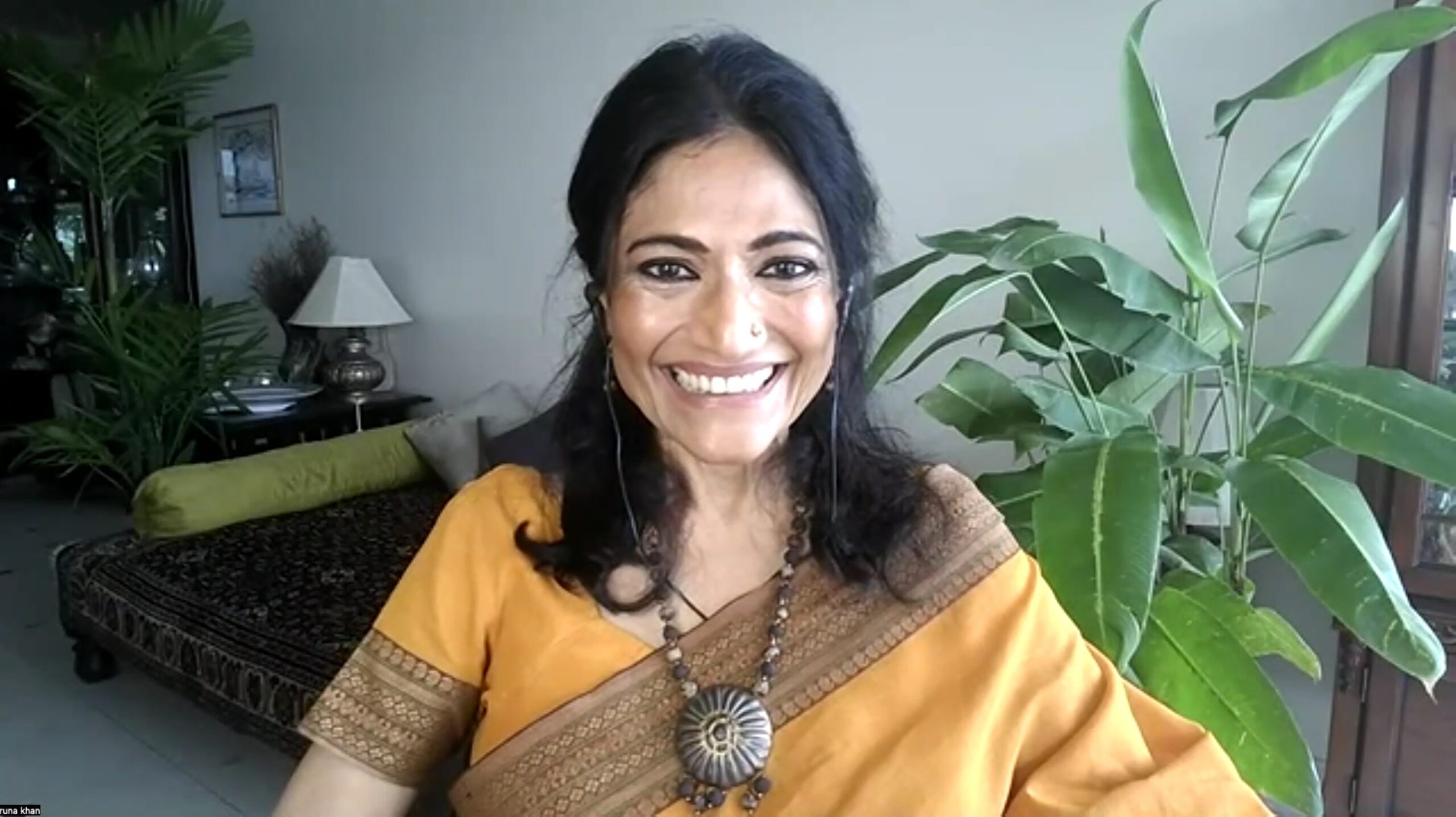
“Realization, as I keep saying, leads to a responsibility. The fact that you can do something, then it becomes your responsibility,” she said in a virtual roundtable discussion last September.
In 2002, Khan founded the social purpose organization Friendship and established a hospital ship along the Jamuna River, a branch of the Brahmaputra River, in northern Bangladesh.
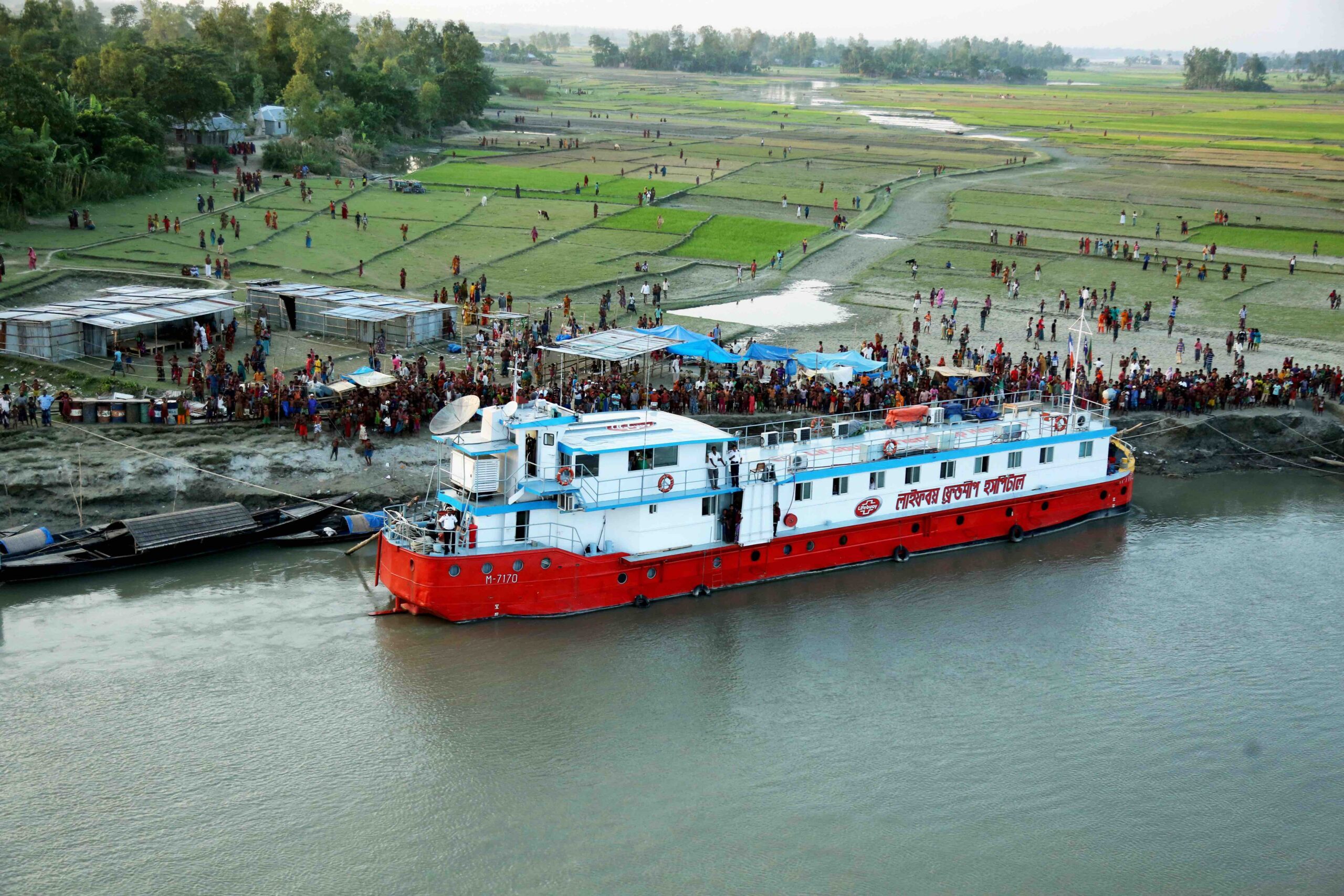
Over two decades later, Friendship has expanded its services to include education and livelihood, as well as programs for climate resilience, for 7.5 million people annually.
“I started the work because I just couldn’t leave or not be responsible for what was staring at me in the face, which was incredible poverty. Twenty-five years ago, these areas were totally untouched,” the 67-year-old humanitarian told journalists.
Khan earned the 2026 Ramon Magsaysay Award, considered Asia’s Nobel Prize, for her “profound empathy for the poorest of the poor in her country, and her courage, vision, and tenacity in building and leading Friendship to accomplish her mission.”
Her work is not over yet, however, as char communities become more vulnerable because of the worsening climate crisis.
Better access to health care
Char dwellers find it difficult to access healthcare services and be properly diagnosed with their diseases. Their communities are low-lying, flood-prone areas as they sit across rivers.
Residents frequently suffer from common infectious and water-borne diseases amid floods triggered by the monsoon season from June to October. Mothers and children could also have elevated health risks. If they get sick, they have to cross rivers to reach hospitals on the mainland — or rely on alternative medicine.
This did not sit well with Khan, who believes the first thing a person needs is good health. So, through Friendship, she converted a river barge into a hospital ship for these temporary river islands.
“Without access to health, you can’t provide…any kind of empowerment to a person or any kind of hope to a person, nor give them dignity,” Khan said.
“Impossible” was a comment she would hear about the floating hospitals. But those hospital ships now provide surgeries to treat cataracts, clubfoot, and other common but debilitating conditions; give pediatric, gynecological, dental, and eye care; and supply free or cheap consultations and medicines.
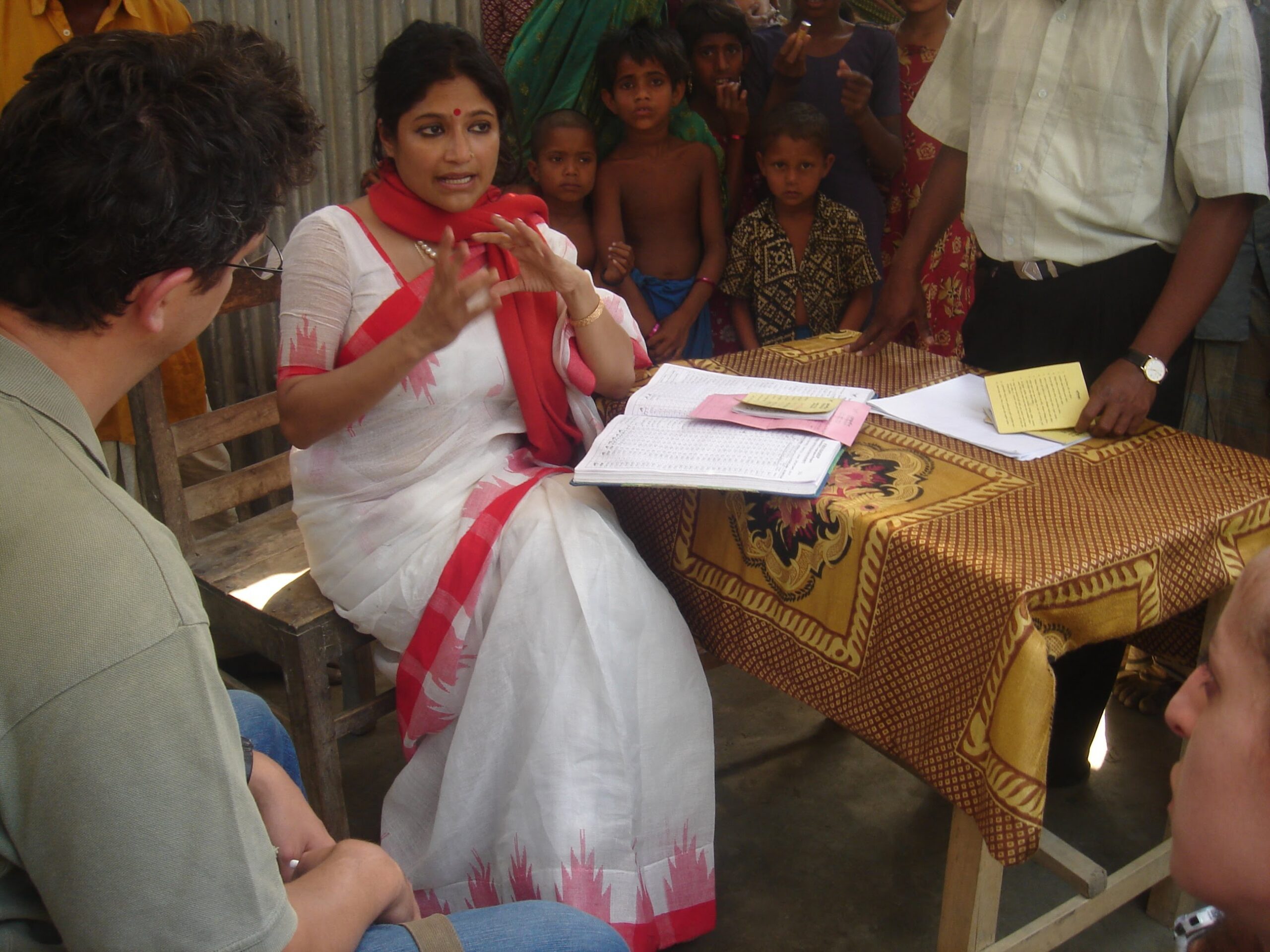
It’s part of Friendship’s three-tier health care system. The organization trained local women to become medic aides, who handle door-to-door check-ups, provide maternal care, and gather patient data through a mobile app.
Meanwhile, roving medical teams give primary healthcare services in mobile and satellite clinics. If patients need major interventions and specialized care, they are referred to the hospitals.
Today, the organization has seven hospital ships and two land-based hospitals, 550 mobile clinics, and 700 medic aides.
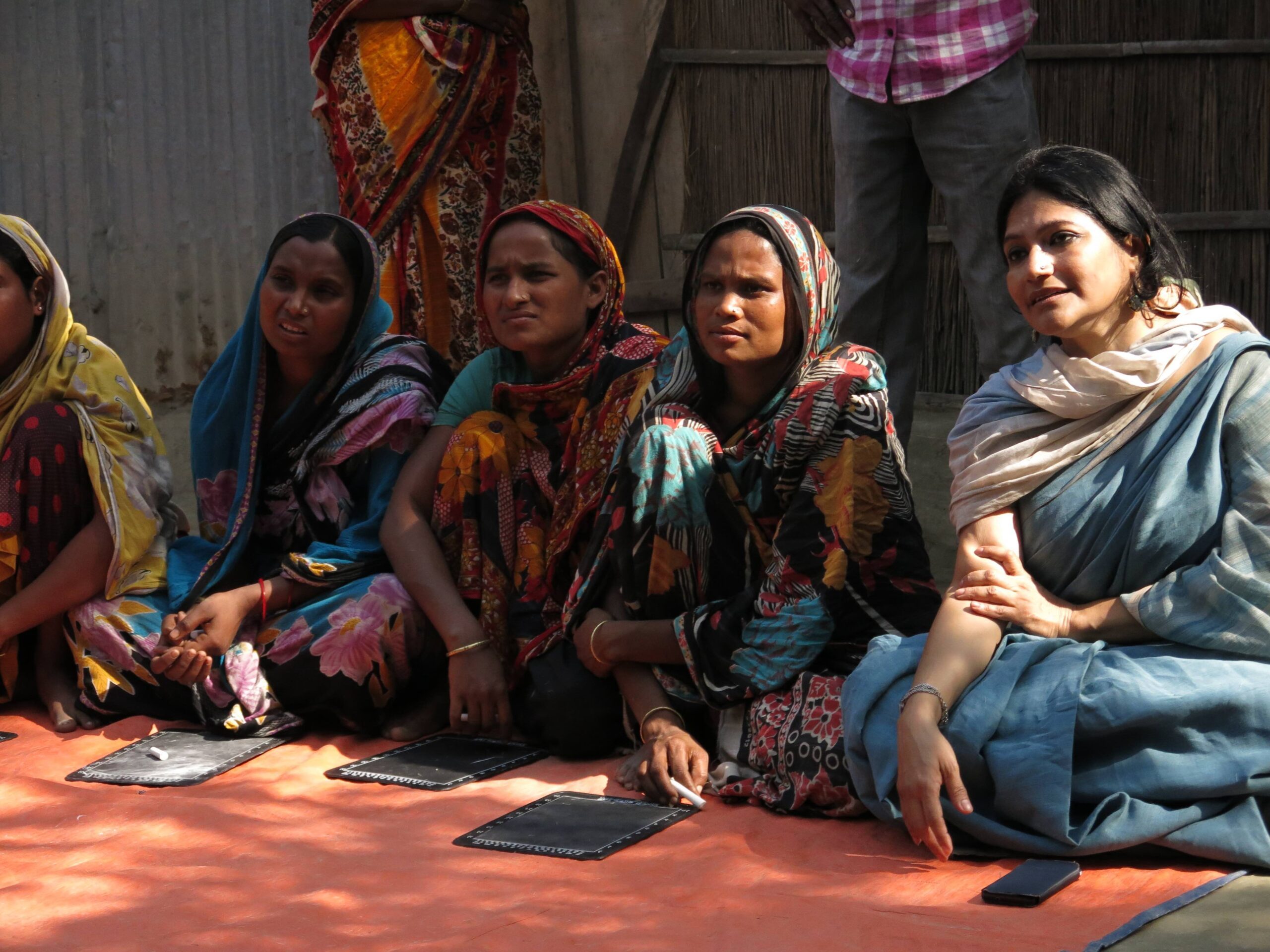
Khan valued regular visits to the char communities because they informed the organization about how to expand its services.
“I’ve not been reading books on development or reading economics of development…. It all came from the needs of the community,” she said of their work.
“I listened to what people said, and I listened to what they did not say. Because it’s in what they don’t say, there is the pain, the suffering. And from there, you have to understand what it is they need.”
Empowerment through education, employment
Friendship was not Khan’s first social work.
She was a passionate educator. In 1979, she pushed for an educational system that promoted critical thinking and veered away from repeated memorization. She also introduced “user-friendly, goal-oriented” textbooks to improve student performance in Bangladesh.
For this, she was named a fellow of Ashoka, a United States-based nonprofit organization, in 1994.
This advocacy also led Khan to reach remote areas, including char communities, in Bangladesh. Education then became part of Friendship’s work.
Friendship trained locals to teach primary school, while secondary schools have pre-recorded video classes by trained facilitators. It also rolled out a literacy program for adults in char communities.
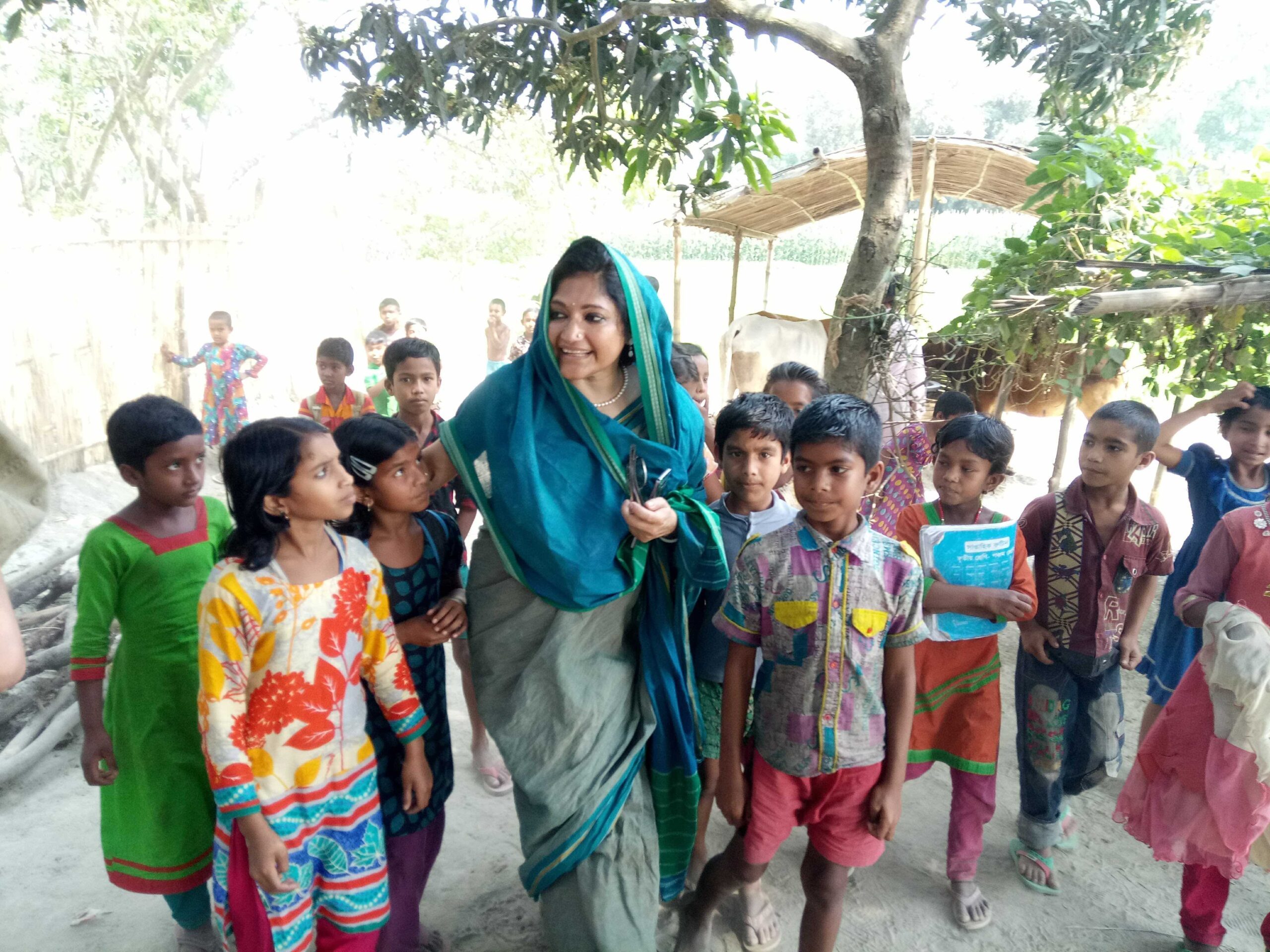
“Even the remotest person knows that education is hope — not for themselves, but for their children, for their family, [so] that they can survive,” Khan said.
“When you do all this, you need to ensure that there is empowerment, and empowerment can [give] the people sustainability when you’re not there.”
Students in the adult literacy program, especially women, are connected to different income-generating trainings, such as homestead gardening, livestock rearing, and vocational weaving and tailoring.
Friendship also employs char dwellers as medic aides, teachers, paralegals, skilled birth assistants, solar technicians, and para-vets, among others.
“The people [whom] we have served so far, we have to now turn them into becoming…more self-sufficient and…how they are going to use the money that they earn,” Khan said.
Changing climate
Because char communities rely heavily on agriculture, they’ve adapted the timing and kinds of crops they plant to expected storms and floods.
That slight predictability has been erased by worsening climate change. In the latest Climate Risk Index, Bangladesh was among the countries that had recorded the most people affected by extreme weather events in 2024.
In a 2025 study, residents reported prolonged and swift floodwater accumulation, as well as substantial floodwater height. Add to that the threat of sea level rise.
“With the heat, ice melts became heavier, the flow of the river became extremely strong…. All built of silt, land damage and erosion absolutely skyrocketed,” Khan said.
The climate crisis also affected Friendship’s education solution. The organization builds prefabricated schools, which can be easily assembled, dismantled, and relocated amid shifting land.
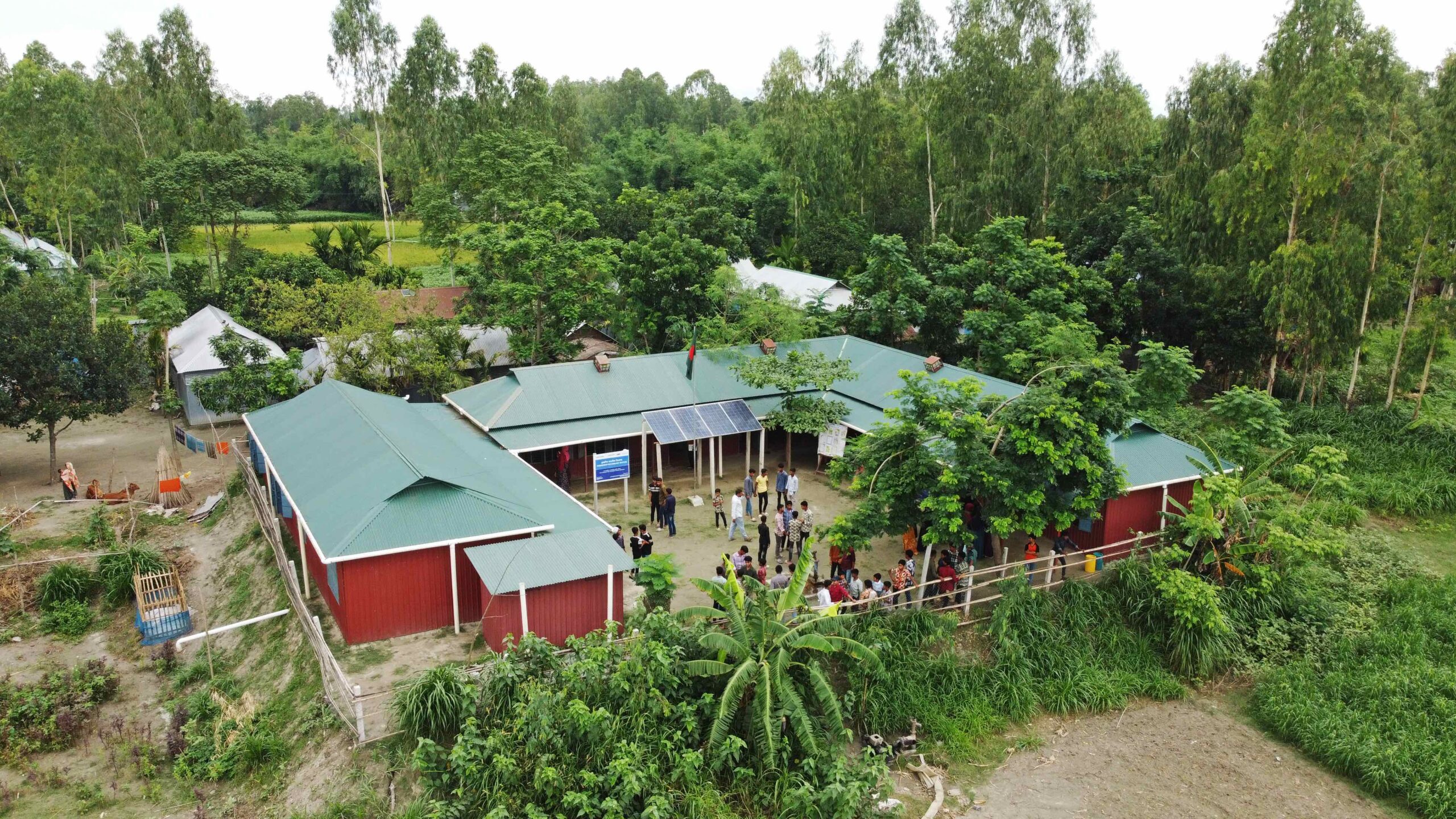
For instance, Khan said that from 2012 to 2015, they moved just one or two schools per year. By 2018, they had to move 16 schools.
Friendship is currently operating 43 primary schools and 17 secondary schools in char communities in northern Bangladesh.
“I don’t even need a rocket scientist to come and evaluate what the trouble is. I can see it daily,” she said.
As part of its climate adaptation work, Friendship implements a mangrove afforestation program. It also introduced “plinth housing,” where permanent houses are constructed on elevated land to accommodate displaced families and their possessions during floods. Families are also given access to low-cost solar-powered lighting.
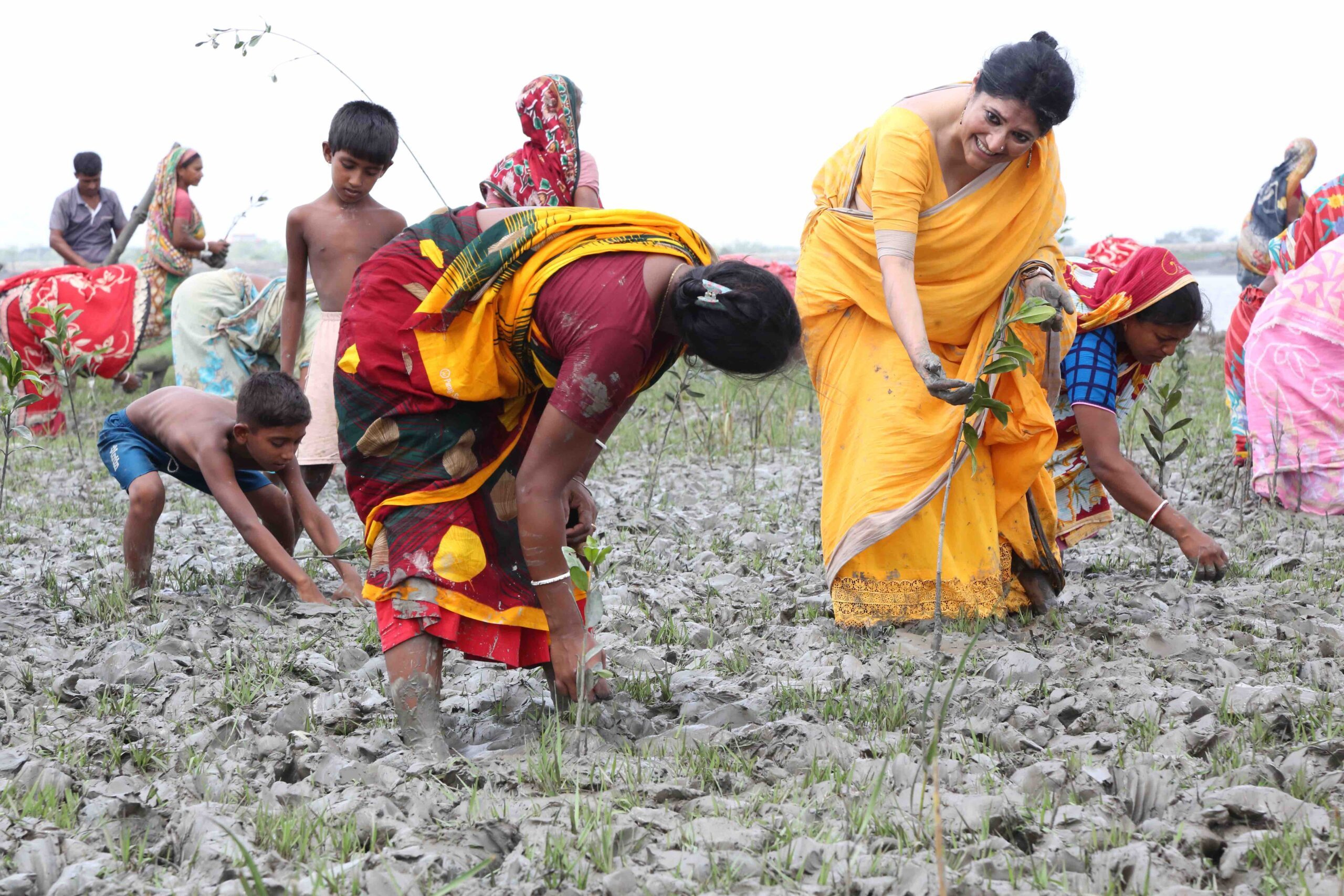
Friendship believes in local climate solutions. It also empowers the char people to survive and thrive without the organization, as displacement amid the climate emergency will be inevitable for them.
“We started preparedness, relief work, and then rehabilitation, and then how to get back to income. And when they migrate from one place to the other…they [need to be ensured] that even if they’re out of our reach, they can reach the government...that they [have] the dignity and they [have] courage to be able to continue their lives,” Khan said.
Through its work called “integrated climate adaptation solutions,” Friendship won the Earthshot Prize in the “Fix Our Climate” category in 2025.
Forging the future
Given the climate risks Bangladesh and other countries face disproportionately, it’s apparent that Friendship’s climate solutions are also much needed elsewhere.
Khan said they will launch the Friendship Academy to expand their services and models, especially the “spirit” of their designs so other communities and countries can replicate it. She said these are “easily scalable.”
Their Community Initiated Disaster Risk Reduction model will also be taught as a course at University of Dhaka. Khan hopes the course will also be disseminated internationally.
She believes she should not follow an “old-fashioned, colonialistic” way of amplifying solutions. She would rather share the ways of Friendship with the world rather than put human dignity at stake with her mandates.
“You are the person. You will say what you need for your country and your people…. This is, for me, respect.”
During September’s virtual chat, this journalist asked Khan whether the anger she felt over two decades ago ever went away.
The Ramon Magsaysay awardee immediately recalled potential donors who would allot only two hours to visit Friendship’s projects. She would tell them the communities were kilometers away from Dhaka, Bangladesh’s capital city, and that they should really see the social work.
“Sparks happen because I deal with it,” Khan said, answering Rappler’s question. “I make sure that there is a solution for that anger, you know? Because anger and injustice move hand in hand.”– Rappler.com
KioskNews shows a cleaned-up reading view extracted from the publisher’s page — the original always lives on their site, not ours.