In Bilkis Bano case, Supreme Court order imperils promise of an equal justice
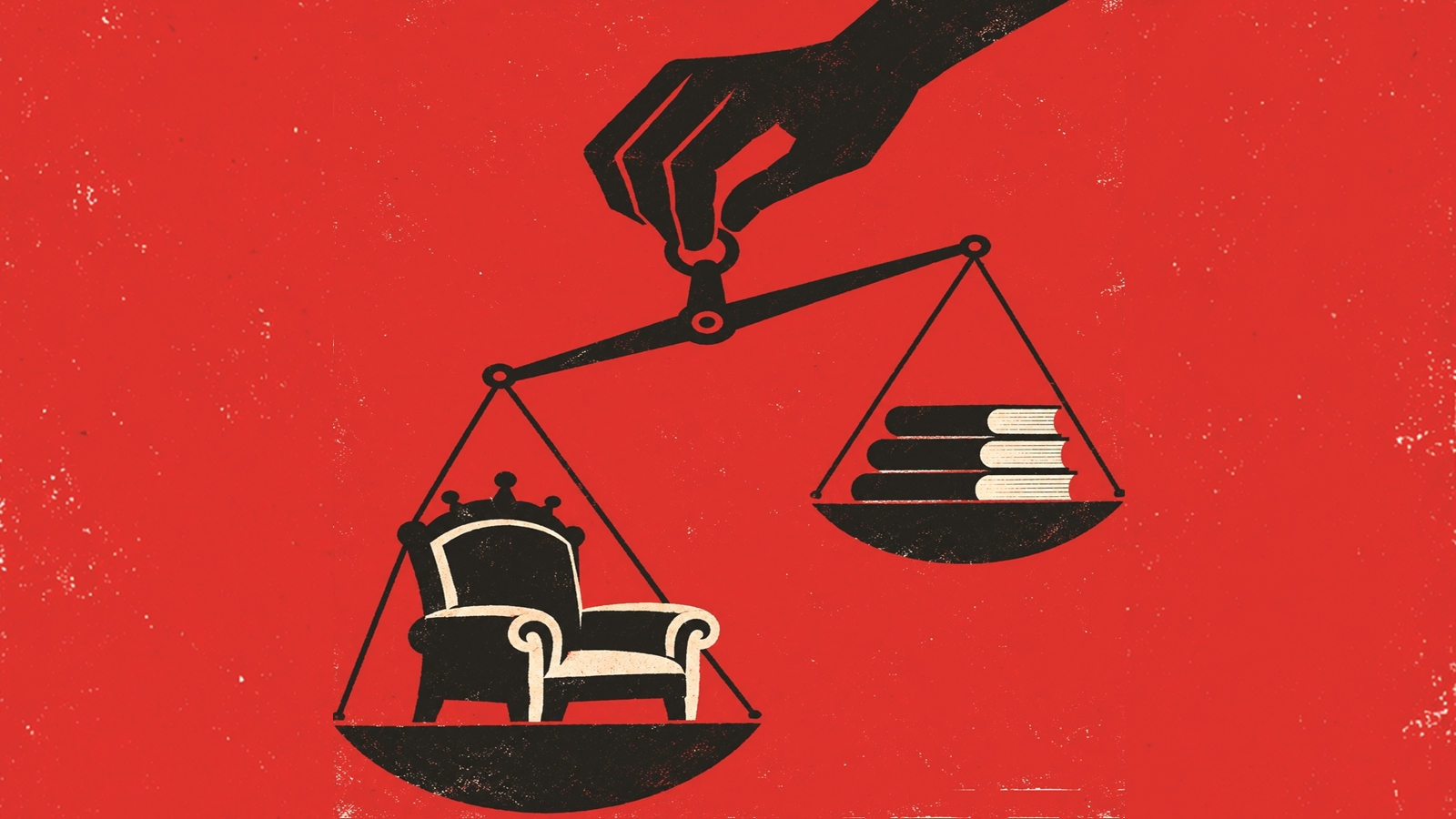
The promise of equal justice is placed in jeopardy for every citizen. To quote the 2024 judgment “Courts have to be mindful of not only the spelling of the word ‘Justice’ but also the content of the concept. Courts have to dispense justice and not justice being dispensed with.”
Bilkis Bano was 21 years old and five months pregnant when she was gang-raped (Express Photo)
AI Narration
Listen
00:00
5 min readNov 25, 2026 06:45 AM IST First published on: Nov 25, 2026 at 06:45 AM IST
Bilkis Bano, in her courageous statement, which will surely awaken the conscience of everyone who has one, has said that she will appeal against the Supreme Court (SC) order suspending the life sentences of two of the 11 men convicted in her case and releasing them on bail. This appalling order was made without giving her an opportunity to be heard. Since that horrific day in March 2002, when 14 members of her family, including her mother, brothers, sisters, cousins and three-year-old daughter, were brutally killed, and she herself was gang raped, Bilkis has had to fight for justice. How much more pain and grief is this system going to inflict on her?
Did the judges who passed this order read the 2024 judgment authored by Justice B V Nagarathna, which reversed the remission granted to the convicts in 2022 with the approval of the all-important Home Ministry? Did they consider its description of the crimes against Bilkis and her family as “grotesque and diabolical, driven by communal hatred”? Although that judgment dealt with different issues, it records the case history and meets the arguments advanced by the convicts. Given the detail with which the case was examined, it is surprising that the matter was considered by a different bench.
The grounds cited for suspending the sentences and granting bail repeat arguments rejected by courts earlier: The long years spent in jail, the fact that a name was added three years later, and so on. The convicts have been treated with extraordinary leniency by Gujarat authorities. After conviction, they were granted parole for an average of three years each, besides more than a year of remission. Nor should the SC need reminding that the Bombay High Court found police personnel guilty of tampering with evidence, including Bilkis’s first statement, in which the men she had named were omitted from the FIR. The haste with which the sentences have been suspended without any substantive reason opens the door for the remaining convicts to seek similar relief.
One convict has been granted bail on grounds of “ disability”. The extent of the disability has not been made public. But it is difficult not to recall the SC’s treatment of the late G N Saibaba, the severely disabled Delhi University professor. Despite a medically certified 90 per cent disability, the SC refused him bail, observing that in “terrorist” acts, “brain usage is more important than any other physical involvement”. Saibaba was later acquitted of all charges. Such selective judicial concern — granting bail to convicts in a communal crime on the ground of an undisclosed disability, which earlier courts had rejected — can hardly enhance public confidence in the judiciary.
There are fundamental questions about the meaning of a life sentence. In Gopal Vinayak Godse v State of Maharashtra (1961), concerning the brother of Nathuram Godse, a Constitution Bench ruled that life imprisonment does not mean a fixed term of 14 or 20 years; it lasts for the remainder of the prisoner’s life, unless lawfully remitted. In a crime as heinous as that committed against Bilkis and her family, driven by “communal hatred”, surely this principle must carry weight. Leniency towards these convicts establishes a dangerous precedent.
Many of us oppose capital punishment. Yet it remains on the statute books, subject to the judicial test that it be imposed only in the “rarest of rare” cases. What crimes qualify? In 2012, a woman in Delhi was brutally gang-raped and subjected to sexual torture, and died of her injuries. Six men were involved, one a minor. The adult accused were convicted and sentenced to death; four were hanged, one died by suicide, and the minor served a three-year term under juvenile justice law. The judiciary held that the case qualified as one of the rarest of rare, as indeed it did. But the crime against Bilkis was no less brutal. Why was it not placed in the same category? The use of women’s bodies to perpetrate sexual crimes during communal violence has never been recognised by the courts as a factor placing such crimes in the “rarest of rare” category.
Even when justice was secured in the Bilkis case — as in the 2008 convictions, the 2017 High Court judgment and the 2024 Supreme Court judgment — it was undermined by communal majoritarian forces within the system. The issue goes beyond the injustice inflicted on Bilkis Bano. The promise of equal justice is placed in jeopardy for every citizen. To quote the 2024 judgment “Courts have to be mindful of not only the spelling of the word ‘Justice’ but also the content of the concept. Courts have to dispense justice and not justice being dispensed with.”
KioskNews shows a cleaned-up reading view extracted from the publisher’s page — the original always lives on their site, not ours.