Gas-based power output rises 80% amid evening supply shortfall
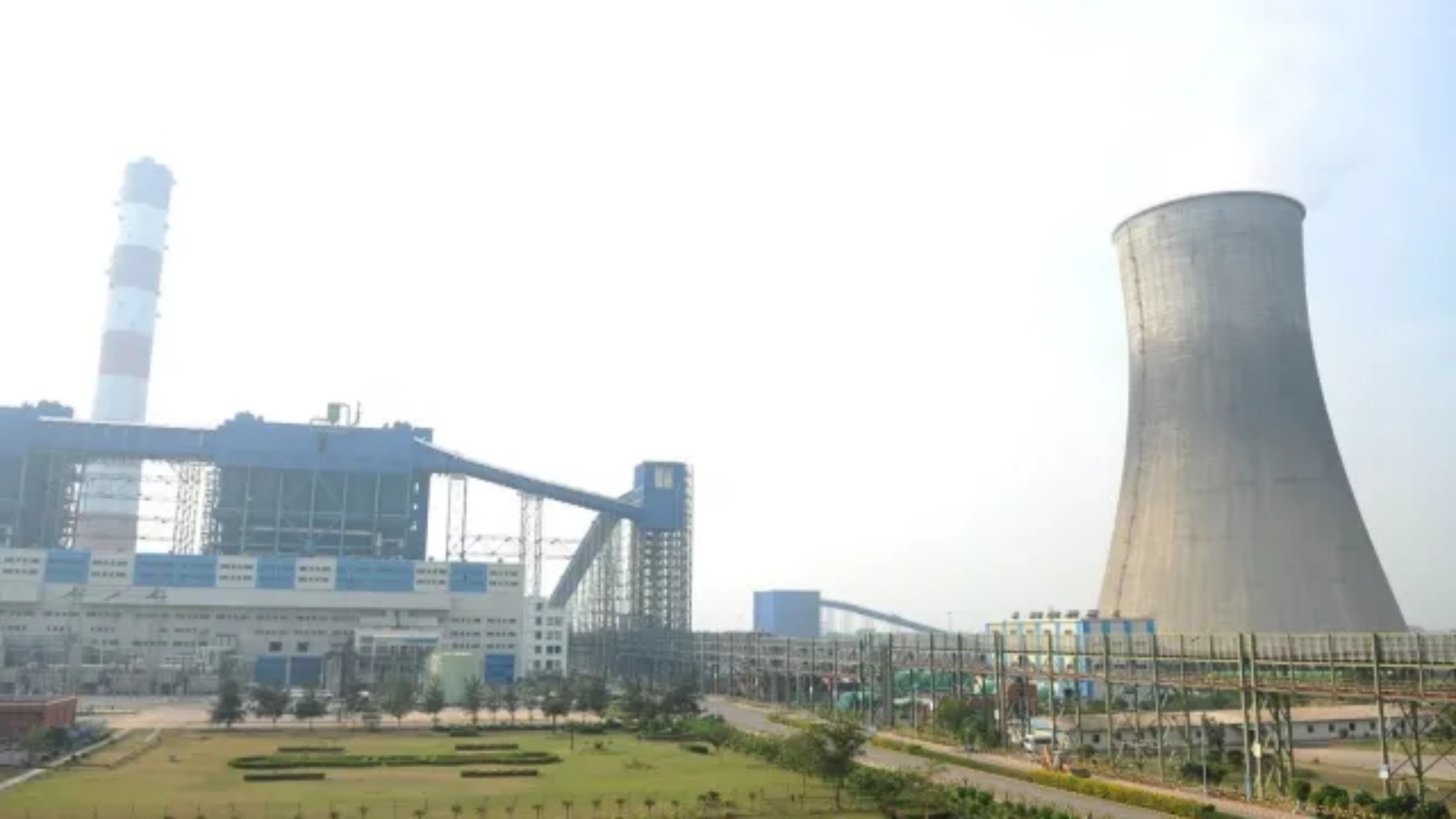
Electricity generation from gas-based power plants rose 80.32% during September 1-9 from the same period last year, shows an analysis of data from the National Power Portal. (Source: File)
Amid an unusual surge in power demand in September, India is increasingly relying on gas-based power to meet evening shortfall as hydropower generation remains constrained and coal-fired plants are operating at near-maximum levels. Electricity generation from gas-based power plants rose 80.32% during September 1-9 from the same period last year, shows an analysis of data from the National Power Portal.
From September 1 to September 9, gas-based power plants generated 1,088.64 million units (MU) of electricity, compared with 603.70 MU during the same period last year and 669.94 MU during the corresponding period in 2024.
Generation during the period was also higher in 2023 and 2021, at 1,278.98 MU and 1,111.97 MU, respectively. The rise in generation is also reflected in purchases by gas-based power generators in the spot market between September 1 and September 10. Natural gas purchases by the power sector jumped to 30,53,300 metric million British thermal units (MMBtu) between September 1 and September 10, from 3,75,000 MMBtu during the same period last year, as per the data from Indian Gas Exchange.
The surge in purchases came even as the average spot gas price rose 139%, from Rs 1,013/MMBtu to Rs 2,420/MMBtu in the same period.
Night-time shortage amid rising demand
While gas accounts for only a small share in the overall generation mix, it plays a key balancing role in evening peak hours, when solar output falls. This has become more significant as hydropower generation has declined amid a rainfall deficit.
Unlike coal-fired power plants, gas-based plants offer greater operational flexibility and can ramp up or down quickly to meet fluctuations in demand, although their generation costs are higher. A senior government official said the Centre currently relies on at least 4.5-5.5 gigawatts (GW) of gasbased power to meet the evening shortfall. India has a total installed gas-based power generation capacity of 20.1 GW.
Data provided by Grid India show that on September 9, when peak power demand touched 267 GW, the night-time shortfall was around 7.7 GW. On September 10, when peak power demand reached 269 GW, the night-time shortfall was 6.1 GW.
Story continues below this ad
As per a senior official, coal-based power plants are operating close to their limits, leaving little room to ramp up generation. “Coal-based power plants are running neck-to-neck and there is no space left to ramp it up. No thermal power plant is left to which we can ask to increase generation. The plant load factor of most imported coal-based plants is around 70% or above. At the same time, hydro-power is going down and likely to go down further as reservoir level is very low in southern and western India,” the official said.
The official also said that the outages at thermal power plants remain high as planned maintenance has been delayed. As of September 9, more than 37 GW of coal-based power capacity was under planned and forced maintenance. A planned maintenance shutdown of a generation unit is a scheduled, temporary cessation of operations to carry out repairs, inspections and upgrades that cannot be undertaken while the plant is running. Forced outages, in contrast, are unplanned disruptions caused by technical faults, equipment failures or fuel constraints.
The government had earlier in April said that planned maintenance of thermal power plants had been deferred to ensure uninterrupted power supply amid gas supply constraints triggered by the ongoing conflict in West Asia.
“The planned annual maintenance of these plants usually happens in April-May. However, this time, it has been pushed till now. So it is now difficult to delay the same further,” the official quoted above said.
Story continues below this ad
The official, however, maintained that the surge in power demand is expected to gradually taper off after mid-September.
Surge in demand during September
This September, the country is seeing an unusual surge in electricity demand, with peak power demand nearing the level recorded during peak summer. On September 10, the country’s peak power demand touched 269 gigawatts (GW), the highest-ever peak demand recorded for the month. So far, the peak power demand for the year was 270 GW which was recorded during the peak summer in May.
In recent years, electricity demand has generally peaked during the summer months of April, May, June and July, driven largely by widespread use of air conditioners and cooling appliances across households and commercial establishments.
September has recorded the year’s highest peak demand only twice in recent years — in 2023-24 and 2020-21.
Hydro squeezes amid rain deficit
Story continues below this ad
This comes as rainfall deficit due to El Niño conditions has squeezed the country’s hydropower generation, putting more stress on thermal power generation amid rising demand.
Hydropower generation since April has declined by 10.85%, from 91,652.19 MU in 2025 to 81,709.09 MU in 2026.
At the same time, coal-based generation during the September 1–9 period increased by 25.30%, from 26,135.72 MU in 2025 to 32,748.95 MU in 2026. Since April, coal-based power generation increased by 10.64%, from 553,730.78 MU in 2025 to 612,663.37 MU in 2026, reflecting heavy reliance on coal to meet the demand during non-solar hours.
Queries sent to the Ministry of Power did not elicit any response till press time.
KioskNews shows a cleaned-up reading view extracted from the publisher’s page — the original always lives on their site, not ours.