The ‘sari-sari’ store as bastion of community healthcare
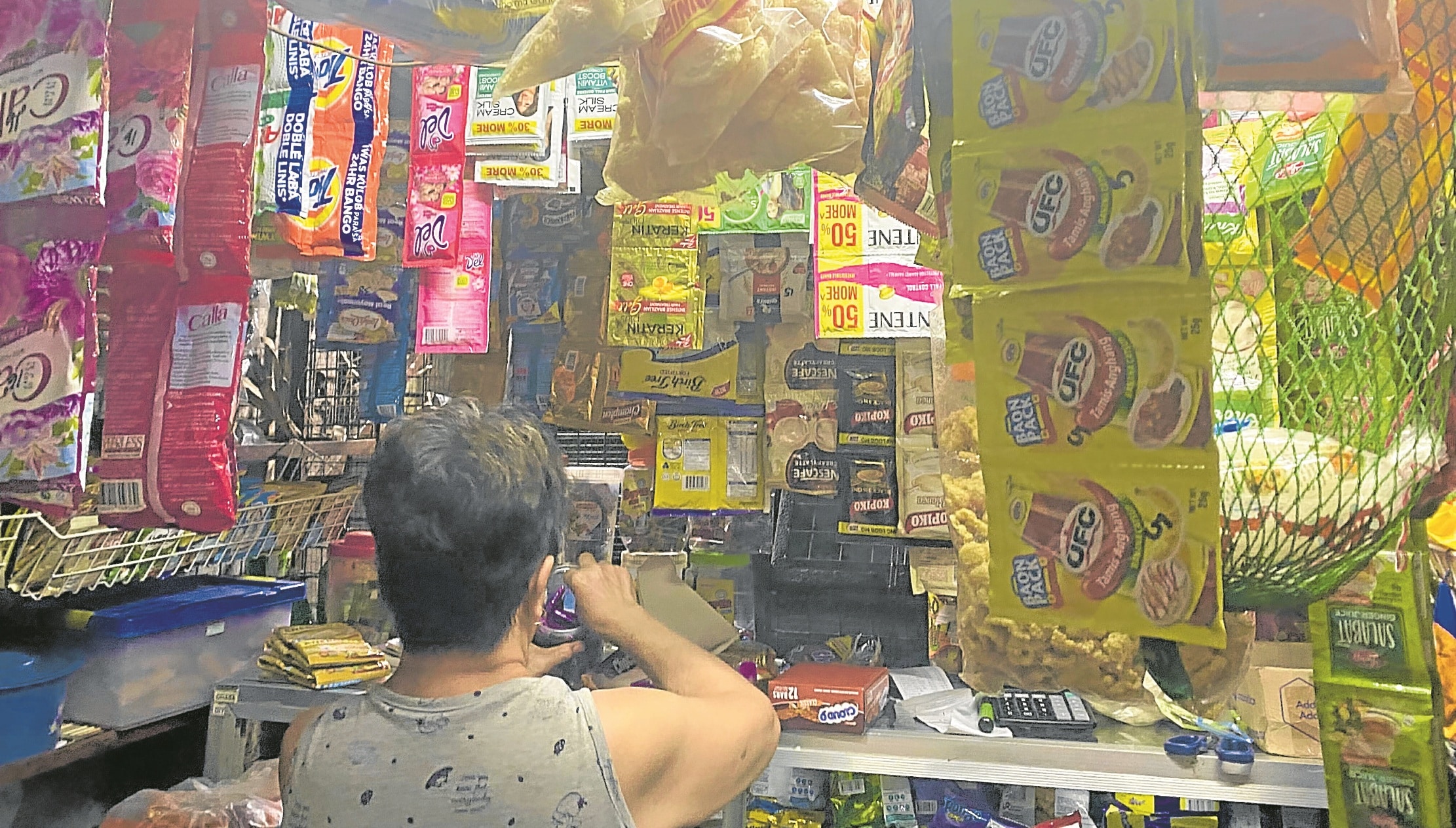

MANILA, Philippines — Medicine should never feel out of reach. Yet for many Filipinos, a trip to the pharmacy can mean literally crossing mountains and streams for a handful of tablets.
In a remote sitio in Barangay Kalawakan, Bulacan, for instance, getting to the nearest pharmacy can mean traveling almost a dozen kilometers without public transportation. A single trip to town can cost more than P400 one way. For some, the only alternative is to walk—a trek that takes well over an hour, even in good weather.
So they go to the “sari-sari” store near them.
Article continues after this advertisement
A new study by Ateneo de Manila University researchers explores sari-sari stores as potential points of access to medicine and healthcare, leveraging their ubiquity and accessibility within local communities.
FEATURED STORIES
NEWSINFO
NEWSINFO
NEWSINFO
The study, “Sari-sari Stores as Community Pharmacies? A Qualitative Exploration of Sari-sari Stores Selling Medicines in the Philippines,” by Melissa Louise Prieto, Gamaliel Galigao, Ana Rica Navarra-Cruz, Louise Gabriel Jimenez, and Gideon Lasco, was published in the August 2026 issue of the Acta Medica Philippina journal.
READ: From sari-sari stores to global systems: Why trust matters
Almost invisible
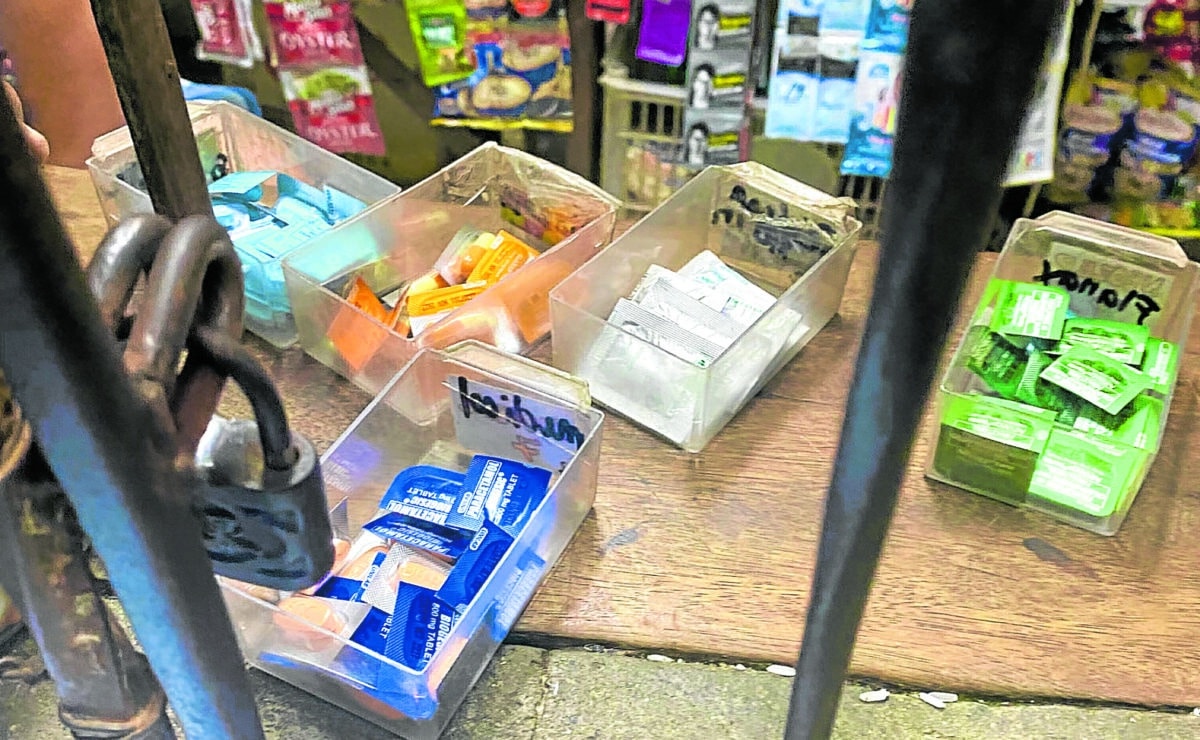
The study shows that most of the medicines sold by sari-sari store owners are for common illnesses: headaches, diarrhea, fever, colds, and stomachaches. The drugs include familiar over-the-counter, nonprescription medicines sold in small quantities, like paracetamol, mefenamic acid, ibuprofen, and loperamide.
Such a scene is ordinary enough to be almost invisible: A neighbor walks up to the nearest sari-sari store, asks the “tindera” (seller) for a few tablets, purchases them piecemeal or “tingi-tingi,” then goes home.
Article continues after this advertisement
Yet behind this familiar transaction is a larger story of proximity, affordability, and formal healthcare gaps in communities.
“The sari-sari store, as a venue to observe interactions between the consumers, the government, and the medical and pharmaceutical world, shows us its social, political, and economic relevance,” the researchers write.
Article continues after this advertisement
The study draws on ethnographic insights from interviews with 14 sari-sari store sellers. The findings show that distance is a major factor why some store owners choose to sell medicines: In communities without nearby pharmacies, keeping common medicines within reach can save residents the cost and time of traveling to town.
The same is true of store hours: One seller said they kept the store open until midnight to make medicines available hours after the town pharmacy had closed for the day.
The sellers, serving as the eyes and ears of their communities, learn which medicines people ask for, what they can afford, and what their neighborhood tends to need. Some begin selling medicines after noticing demand from the people around them. They adapt to the communities they serve.
Healing, comfort
“Sari-sari stores bring valued ‘things’ in close proximity to the people who look to them for healing and comfort,” the researchers say.
This is where the sari-sari store becomes more than just a place to buy medicine. Embedded in everyday Filipino life, the stores reveal how people rely on informal systems of care alongside formal institutions.
Yet the study also reveals the boundaries of the services these sari-sari stores offer. Sellers do not see themselves as doctors or pharmacists; 11 of the 14 study subjects refuse to sell antibiotics and other prescription medicines, advising customers to directly seek care from healthcare professionals when necessary.
“Strictly speaking, the sale of pharmaceuticals through sari-sari stores is illegal, unless the outlet is duly licensed by the Food and Drug Administration (FDA). There are, however, layers of liminalities, such as due considerations for geographically isolated and disadvantaged areas and medicines not captured in the FDA circular,” the researchers say.
The researchers approach the issue through a medical anthropology lens and recommend against blanket prohibitions and punitive measures. They argue that policies should account for the economic and geographical barriers that shape access to medicine.
“We see the value in recognizing the role of sari-sari stores in the health system, as well as in accounting for economic and geographical barriers before imposing top-down prohibitions,” they stress.
Sari-sari stores are neither replacements for pharmacies nor substitutes for the country’s healthcare system. The stores do not stand outside or simply beside the healthcare system, but occupies an ambiguous but necessary space between the household and formal institutions—a place shaped by poverty, distance, convenience, trust, and necessity.
Sari-sari stores tell us what happens when the system is too far away, too costly, or simply unavailable to those who need it.
Your subscription could not be saved. Please try again.
Your subscription has been successful.
Danika Geronimo is with Ateneo Research Communications. Visit archium.ateneo.edu for more information. /cb
KioskNews shows a cleaned-up reading view extracted from the publisher’s page — the original always lives on their site, not ours.