Google Pixel phones pwned in zero-click attacks
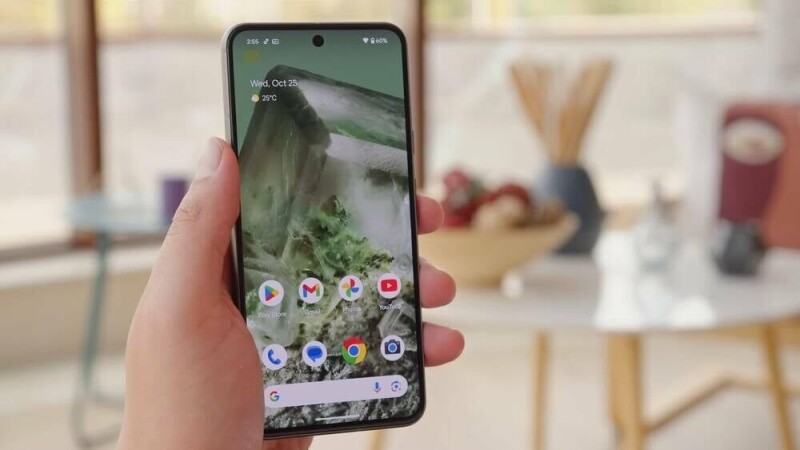
Both Google and Uncle Sam warned that attackers have exploited a zero-day improper authorization bug in Pixel phones' cellular modems that can bypass permission checks and escalate privileges with no user interaction required. The hole has since been closed, provided that you update.
Google disclosed the high-severity vulnerability, tracked as CVE-2026-58704, on Tuesday - and, at the time, warned the security hole “may be under limited, targeted exploitation.” In other words: miscreants found and exploited this bug before Google fixed the issue.
The Register reached out to Google for more details about the scope of exploitation, and how attackers are exploiting the flaw and what they can achieve.
REG AD
We have very limited details about the vulnerability itself, other than that it exists in Pixel phones' modems, is being exploited in the wild, and can be exploited in zero-click attacks, meaning no user interaction is required.
REG AD
We do know, however, that these types of zero-click attacks are frequently used by commercial spyware makers to surveil targeted individuals.
On Wednesday, the US Cybersecurity and Infrastructure Security Agency (CISA) added the CVE to its Known Exploited Vulnerabilities Catalog and gave federal agencies just three days - until September 19 - to patch the flaw.
“This type of vulnerability is a frequent attack vector for malicious cyber actors and poses significant risks to the federal enterprise,” according to the cyber-defense agency.
Earlier this month, CISA added two Google Chromium vulnerabilities, CVE-2026-85046 and CVE-2026-87491, to its KEV catalog.
CVE-2026-85046 is a type confusion flaw in Chromium’s V8 JavaScript engine that allows remote attackers to execute code inside the sandbox via a crafted HTML page. It affects all Chromium-based browsers including Google Chrome, Microsoft Edge, and Opera.
The second flaw, an out-of-bounds write vulnerability tracked as CVE-2026-87491, also exists in the V8 engine, allows for remote code execution, and affects all Chromium-based browsers.
Security researchers at Proofpoint last week told The Register that at least four espionage groups, most with suspected links to China, chained three bugs together, including CVE-2026-85046, to break into organizations' networks in the US and Southeast Asia. ®
KioskNews shows a cleaned-up reading view extracted from the publisher’s page — the original always lives on their site, not ours.