Marine’s arrest for murder in Japan fuels anger over US military presence
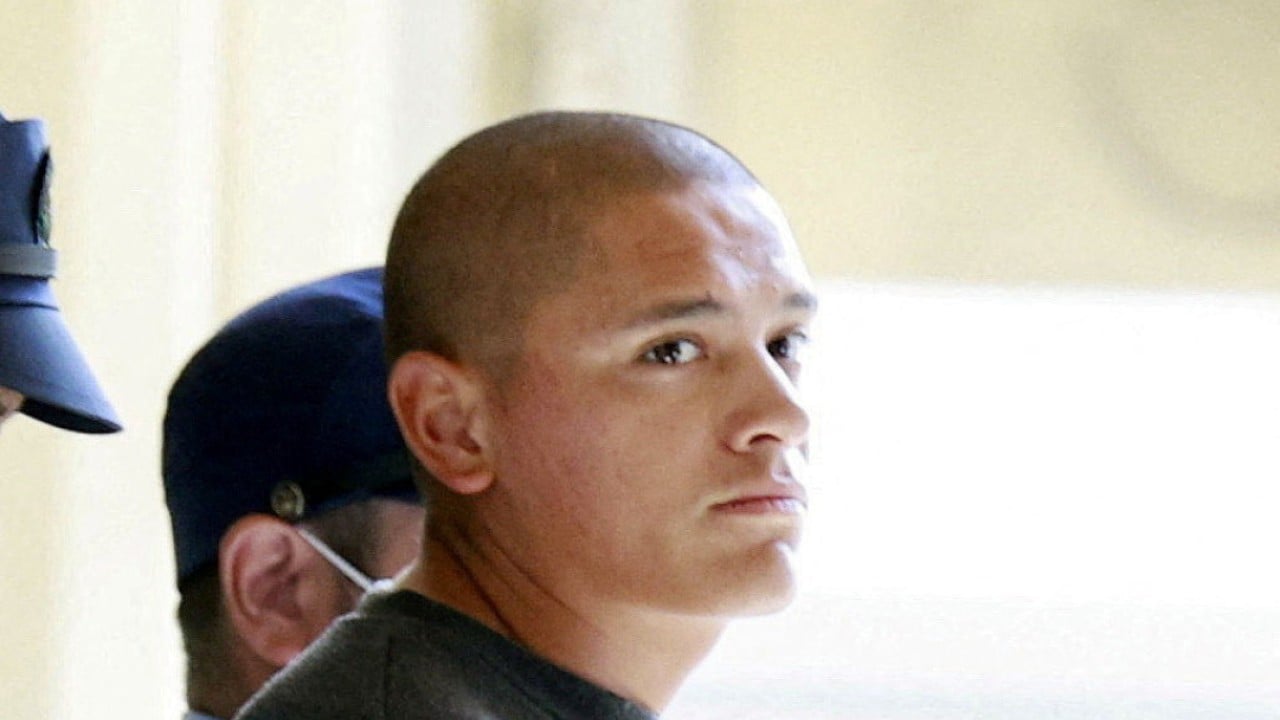
The alleged murder of an Okinawan woman by a US marine has put newly elected Governor Genta Koja under intense pressure, raising questions about whether the incident could deepen opposition against the American military presence just as Okinawa assumes greater importance in Japan’s regional security strategy.
Koja only took office on September 30 after campaigning on economic issues rather than the dispute over American troops based in the prefecture, which has dominated local politics for decades. While the killing could stir further sentiment against US military bases in Okinawa, analysts doubt that the Japanese government would allow its security relationship with Washington to be damaged.
The incident has prompted anger across Okinawa, with around 100 people protesting outside the prefectural government building on Sunday and social media filled with demands for greater Japanese control over the bases.
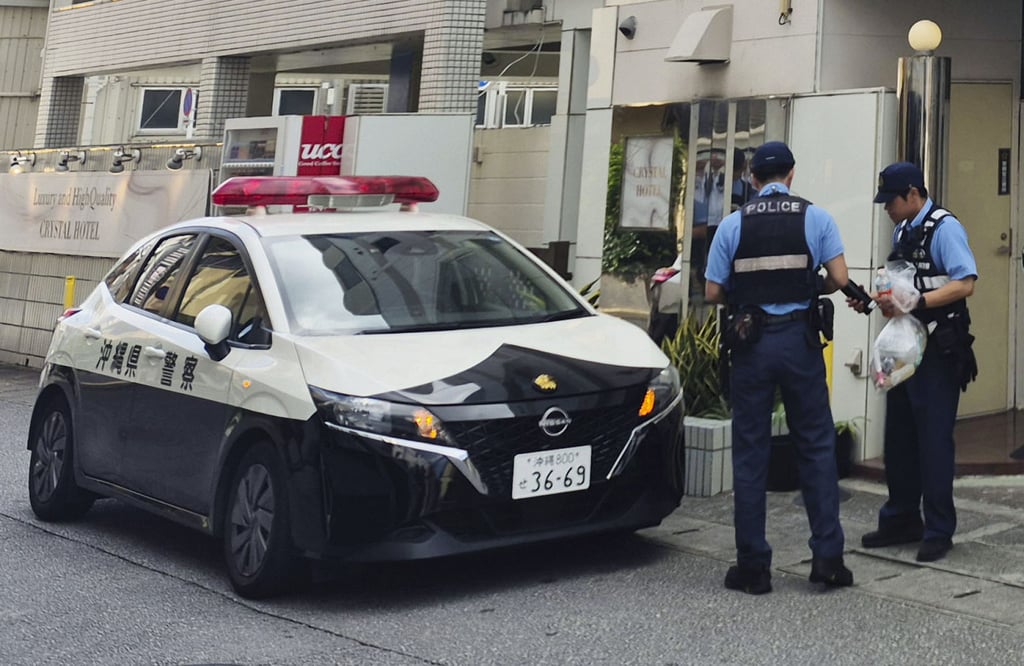
The victim, 39-year-old Anna Yagi, was identified on security cameras entering a hotel in Naha with Devin Jacob Ballard, 20, a lance corporal with the US Marine Corps based at Air Station Futenma. Ballard was seen leaving the hotel some hours later, allegedly with Yagi’s bag.
Yagi was found in the early hours of Saturday morning and a postmortem determined that she had died from suffocation.
Japanese police arrested Ballard on Sunday in Okinawa City and told local media the suspect had denied all knowledge of the incident.
02:12
US Marine arrested on suspicion of murdering a Japanese woman
The anger has revived memories of the 1995 abduction and rape of a 12-year-old Okinawan girl by three US servicemen based in Okinawa, which triggered weeks of protests across the prefecture over the US military presence.
“This will inevitably remind people of 1995, and it could not have come at a worse time for the new governor,” said Go Ito, a professor of politics and international relations at Tokyo’s Meiji University.
“Much will depend on how he responds, but I can very easily see a strong backlash among ordinary Okinawan people if they feel he has not done enough,” Ito said.
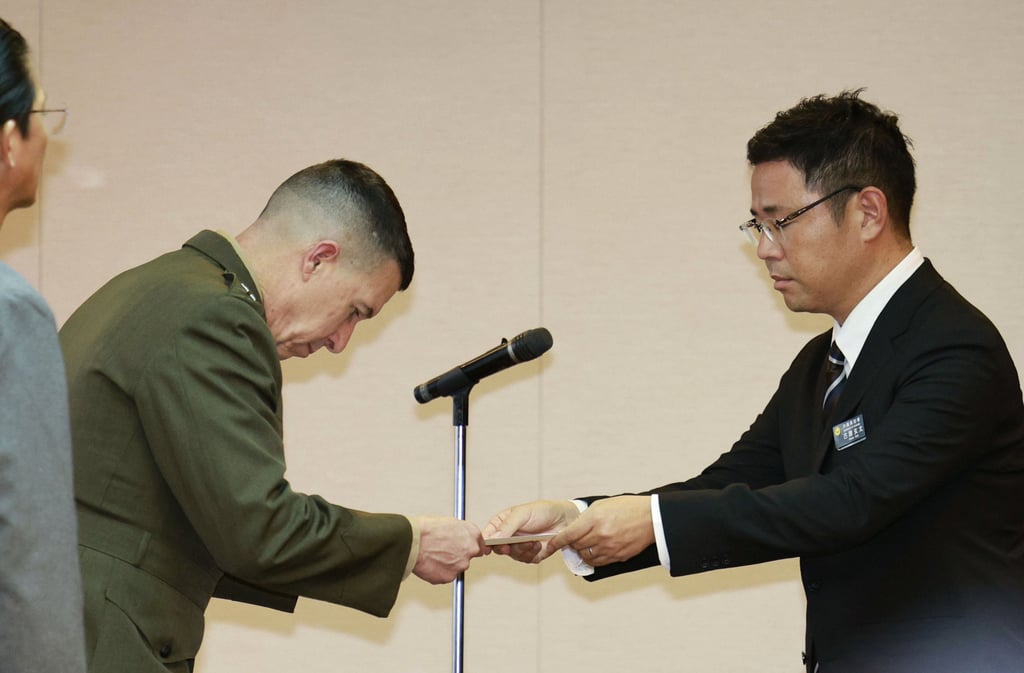
Koja has summoned the head of the Japanese foreign ministry’s local office and the top-ranked official of the Okinawa Defence Bureau to file a protest and demand stricter discipline among US personnel.
“This is an extremely malicious incident that will cause great anxiety among the residents of the prefecture and city. I feel intense anger,” Koja told the two officials on Monday. “I strongly urge the Japanese and US governments to take responsibility and implement effective and fundamental measures, including a review of the Japan-US Status of Forces Agreement, to ensure that such an incident never happens again.”
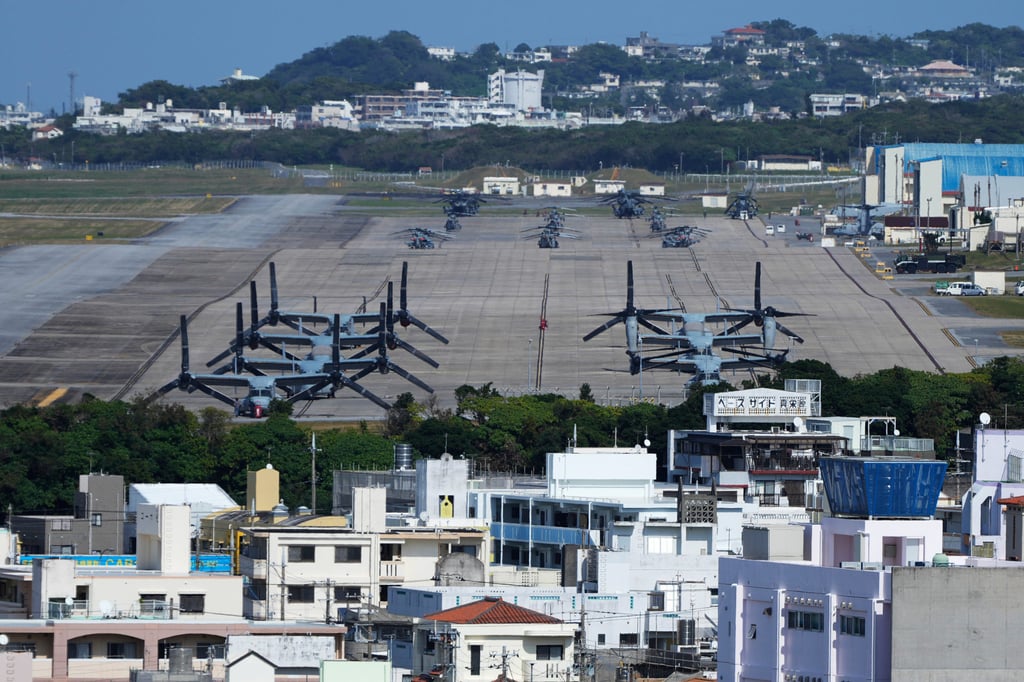
Ito said the backlash would force Tokyo to “accelerate the transfer of the marines to Henoko, the return of Futenma to Okinawan control and the transfer of several hundred US troops to Guam”, referring to the coastal ward of Henoko.
The proposed closure of the base in Futenma and the scaling down of the US military presence in Japan’s most southerly prefecture have been planned for more than 30 years, he pointed out, but this incident might accelerate the plans.
Ben Ascione, an assistant professor of politics and international relations at Tokyo’s Waseda University, said Tokyo had to preserve its security arrangement with Washington, but this would leave Prime Minister Sanae Takaichi treading a fine line.
“What happened in 1995 was the trigger for the relocation of Futenma, and now we have had a fatality. So it is clear there are going to be political ramifications,” he said.
Takaichi’s condemnation was swift and strong, and while chief cabinet secretary Minoru Kihara echoed that message, he made it clear that the US and Japan should work together to ensure such incidents would not recur.
Ascione said: “The Takaichi administration is going to do everything it can to maintain good relations with the US.”
Takaichi had worked hard to position herself as the successor to former prime minster Shinzo Abe and build a good personal relationship with US President Donald Trump, he added.
“Takaichi does not want a rift in the alliance although, at the same time, she has to be seen to be upholding Japanese sovereignty at home. She has to straddle that line and strike the right balance between the domestic and international pressures.”
As Takaichi seeks to reinforce the US-Japan security alliance, the people in Okinawa would have to bear the consequences of Tokyo’s commitment, according to Ascione.
“Even if there is friction in the alliance, Takaichi will not allow that friction to deepen to such an extent that it would affect the alliance or the security role of Okinawa itself,” he said.
Okinawans are taking to social media to vent their anger, with the online pages of the local Ryukyu Shimpo newspaper flooded with angry comments about the attack and what many see as Japan’s impotence.
“Eighty years after the war, the Japanese government is still being extorted by the US, and I believe we are still under occupation,” said one message.
Another asked: “If a nation cannot exercise sufficient judicial power or access rights over foreign military bases within its territory, isn’t it essentially no different from a ‘colony’?”
Active-duty US military personnel on Okinawa are estimated at around 30,000, along with 25,000 family dependents and 25,000 civilian contractors appointed by the US Department of Defence.
Okinawa comprises less than 1 per cent of Japan’s total land mass but accounts for 70 per cent of the US military bases in the country. Koja’s immediate predecessor, Denny Tamaki, was elected in 2018 on a platform of reducing the US military presence on the islands.
KioskNews shows a cleaned-up reading view extracted from the publisher’s page — the original always lives on their site, not ours.