Kedai Kopi Yee Fatt: A love letter to my favourite dry curry mee in Ipoh
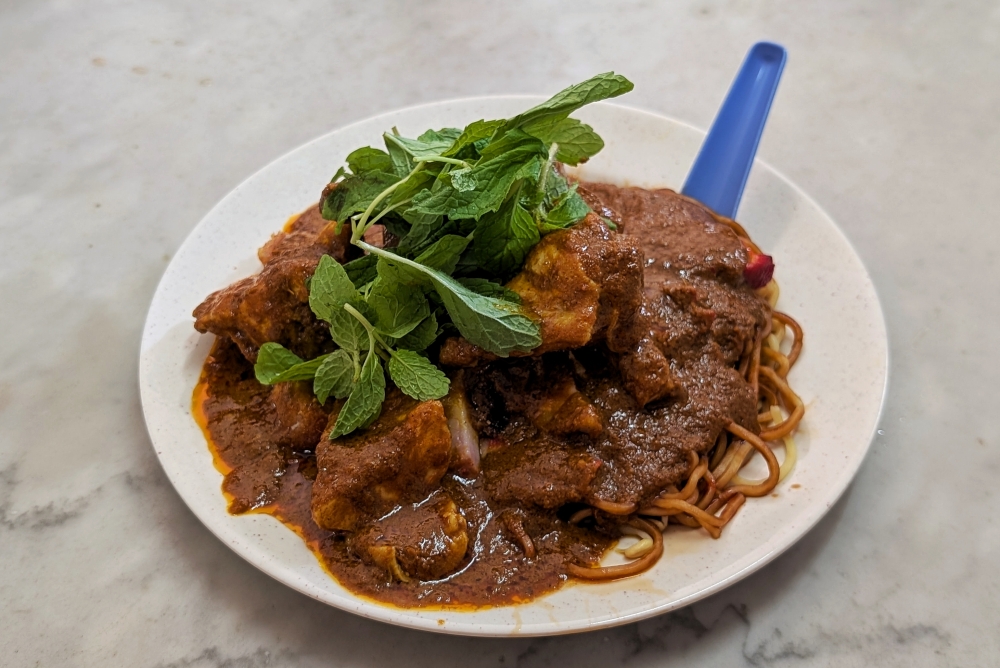

Since 1955, Yee Fatt has served Ipoh’s thickest, most complex dry curry ‘mee’, which this writer has been eating ever since he was a schoolboy. — Picture by Ethan Lau
By Ethan Lau
First Published: Sunday, 01 Nov 2026 8:50 AM MYT
IPOH, Nov 1 — For as long as I can remember, I have loved visiting Ipoh.
The capital of Perak and a former tin-mining town surrounded by limestone hills, it has a food scene that needs no introduction.
It is the birthplace of white coffee. It is home to the best nga choy kai and kai si hor fun in the country. It is also my father’s hometown.
Every year, my family made the drive up numerous times: Chinese New Year, All Souls’ Day (my father was an altar boy growing up), and generally any long weekend, all spent visiting my grandparents in Canning Garden.
When I was seven, my great-grandmother died, and my parents told me we’d be heading to Ipoh in the middle of the week for the funeral.
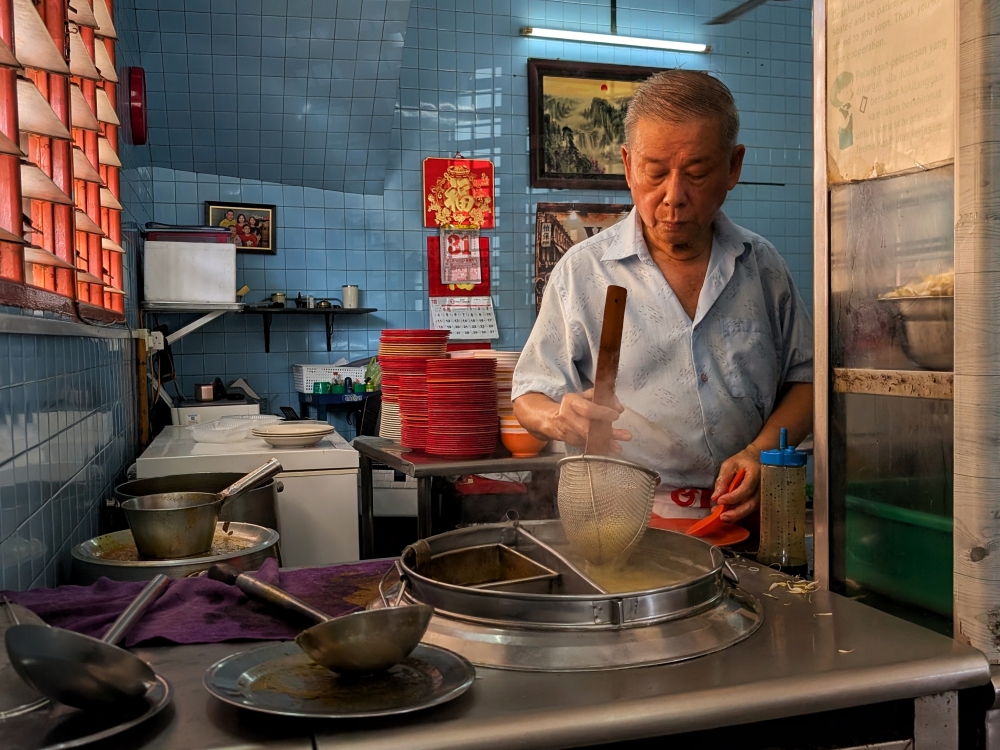
Yee Fatt is still run by the third-generation of the same family, — Picture by Ethan Lau
I was over the moon. Skipping school and a trip to Ipoh? Jackpot. I couldn’t understand why everyone else looked so serious.
Shielded by my inability to grasp life and death, my memories of those trips are filled with vivid scenes: jagged limestone towers bathed in red as the setting sun cast its rays over the Kinta Valley; my own reflection in the long, seemingly endless mirror at Thean Chun, as I waited for a bowl of kai si hor fun; and, most memorably, the thick, chunky sludge that is Hainanese dry curry at Yee Fatt.
Ipoh may be best known for kai si hor fun, but my favourite thing to eat in this city is dry curry mee.
And my favourite place to eat it is at Kedai Kopi Yee Fatt. It has stood across the Methodist Girls’ School on Jalan Raja Permaisuri Bainun since 1955, when the road was still named Jalan Kampar.
In the seven decades since, Yee Fatt has come to be defined by its dry curry, typically served over noodles with char siew, siew yoke or chicken (sometimes all three), and even on lo mai kai.
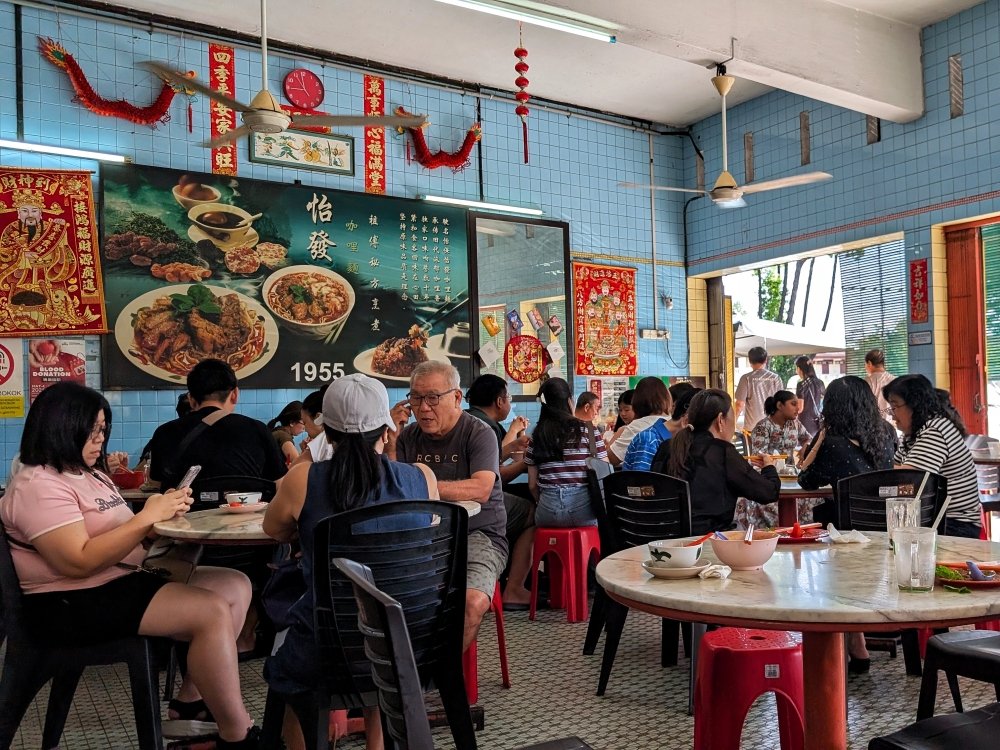
No matter the day, there is always a crowd at Yee Fatt in the morning. — Picture by Ethan Lau
Klang Valley curry mee is a different thing: it’s much closer to curry laksa, and to laksa as a genre, than to dry curry, which is unique to Ipoh.
Its roots lie with the Hainanese, who arrived in the city much later than the Hokkien, Cantonese, Teochew and Hakka.
Many ended up cooking in colonial households or running kopitiams like Yee Fatt, combining the techniques and ingredients of the melting pot around them, and dry curry emerged as one of Ipoh’s emblematic creolised foods.
There are many temples to dry curry in the city: Xin Quan Fang, also known as ma ta liu (Cantonese for police station) for its proximity to the police station; Sun Seng Fatt, which made a short-lived attempt at expanding to KL; and Yat Yat Seng, or as I knew it growing up, Fei Lou Wu, which fared much better in KL.
But none has a dry curry quite as thick or as complex as Yee Fatt’s.
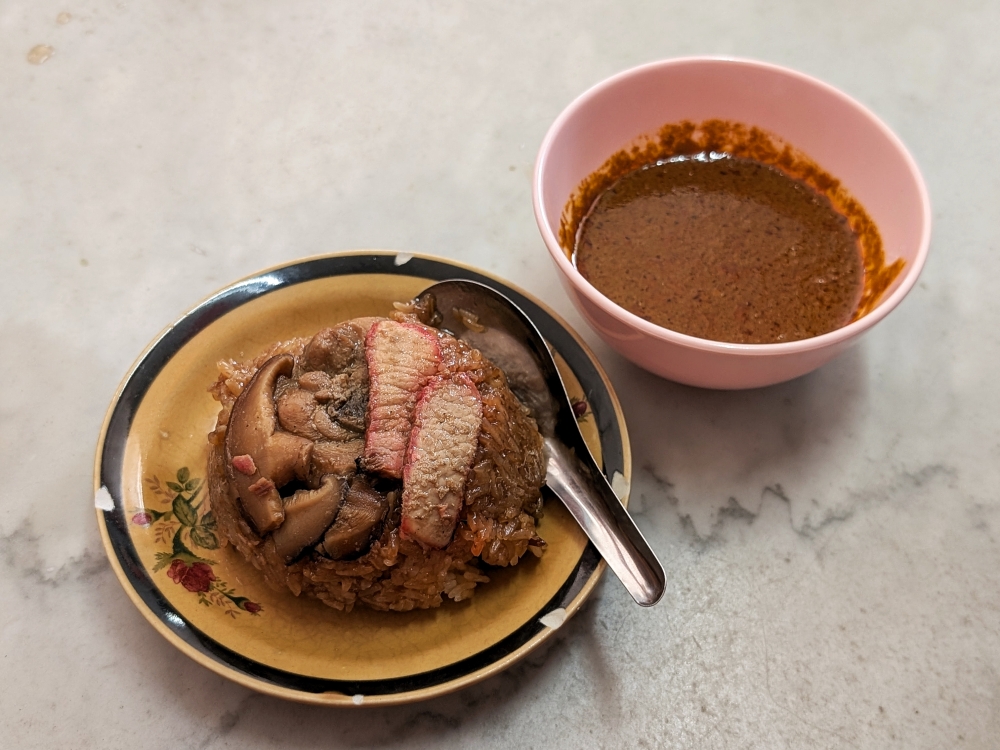
An unconventional combination of curry and ‘lo mai kai’ has become one of Yee Fatt’s signature offerings. — Picture by Ethan Lau
In my admittedly nascent lifetime, I have never seen Yee Fatt have a quiet morning. The crowd comes early, and ever since pockets of the internet discovered the place, the weekend crowd has only grown.
Arriving before 8.30am is crucial to avoiding a wait and, more importantly, to getting there before the siew yoke and lo mai kai sell out.
My move is always to order the dry curry with all three meats (RM15) and a side of lo mai kai with curry sauce (RM7). They always ask if I want to take a look at the zhar liu. I always politely decline.
Then we wait, taking in the room: the classic tiling on the floors and walls, the marble tables, the occasionally chipped china.
The lo mai kai is usually the first to arrive, still under a steaming metal bowl, with a small bowl of curry on the side.
The first spoonful matters most: curry over soft, sticky glutinous rice, sometimes with a sliver of char siew or mushroom hiding in it.
It’s like smearing kaya on pulut tai tai, only spicier, more savoury, more robust. The subtle sweetness of the rice dovetails with the curry beautifully.
Then comes the centrepiece: a mountain of noodles, bean sprouts, chicken, siew yoke and char siew, completely smothered in a thick, reddish sludge of curry.
No word, or series of words, quite captures it. It clings to the lips, stays on the tongue and remains in the brain.
Rich, savoury, spicy, nutty and aromatically complex, thanks to a proprietary blend purported to contain 10 spices, it is unlike anything else I have eaten. That was true 20 years ago, and it is true to this day.
Every time I come back to Yee Fatt, I feel a pit in my stomach, worried that one day it might not be the same.
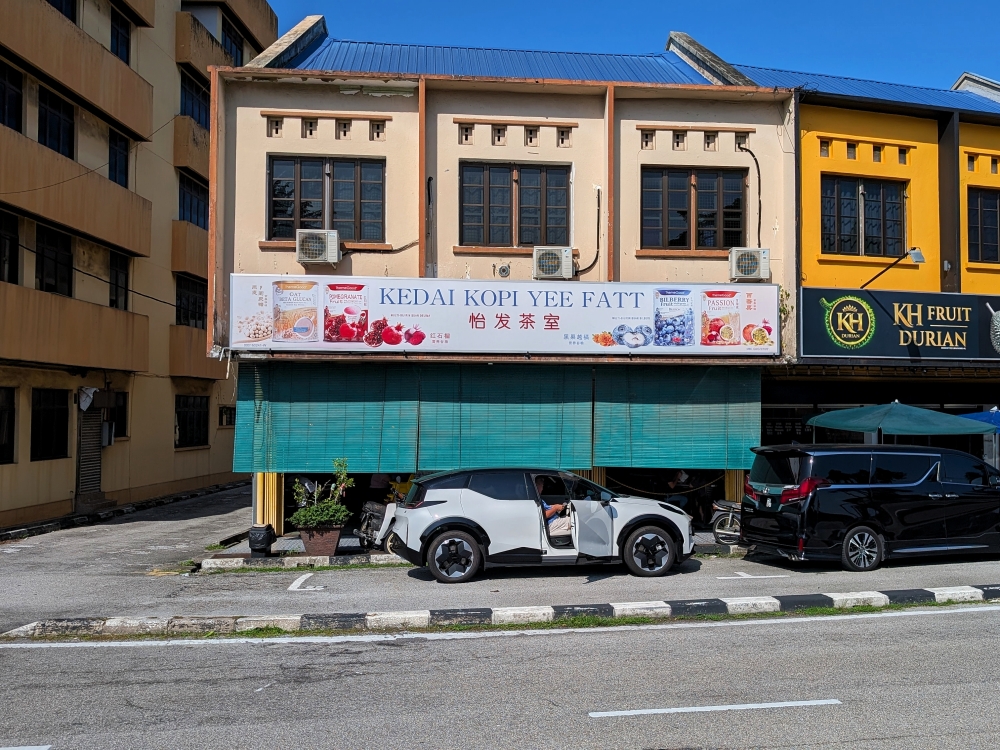
Look for the (new) white sign from Bulatan Sultan Iskandar. — Picture by Ethan Lau
Of course, it isn’t identical to what I ate 20 years ago. The sign even got a facelift recently. But the dry curry tastes just as incredible.
The wait feels just as agonising. And the post-meal heaviness feels… well, just as heavy. Maybe heavier as I get older, actually.
Very few things in this world, especially restaurants, get to stay the same as the world changes around them. Selfishly, I hope Yee Fatt does.
It is a perfect slice of nostalgia and honest satisfaction, one of the last I have left. If this is the last plate of dry curry mee I ever have from Yee Fatt, I will mourn it.
But I will be immensely grateful to have eaten it at all.
Kedai Kopi Yee Fatt
39, Jalan Raja Permaisuri Bainun,
Open Tuesday to Sunday, 7.30am—2pm
Tel: 016-962 8994
Facebook: Yee Fatt Tea Shop
* This is an independent review where the writer paid for the meal.
* Follow us on Instagram @eatdrinkmm for more food gems.
* Follow Ethan Lau on Instagram @eatenlau for more tales of a childhood fuelled with curry mee.
KioskNews shows a cleaned-up reading view extracted from the publisher’s page — the original always lives on their site, not ours.