Pilots' body warns of aviation safety risks amid SpiceJet crisis; flags delayed salaries, unpaid dues
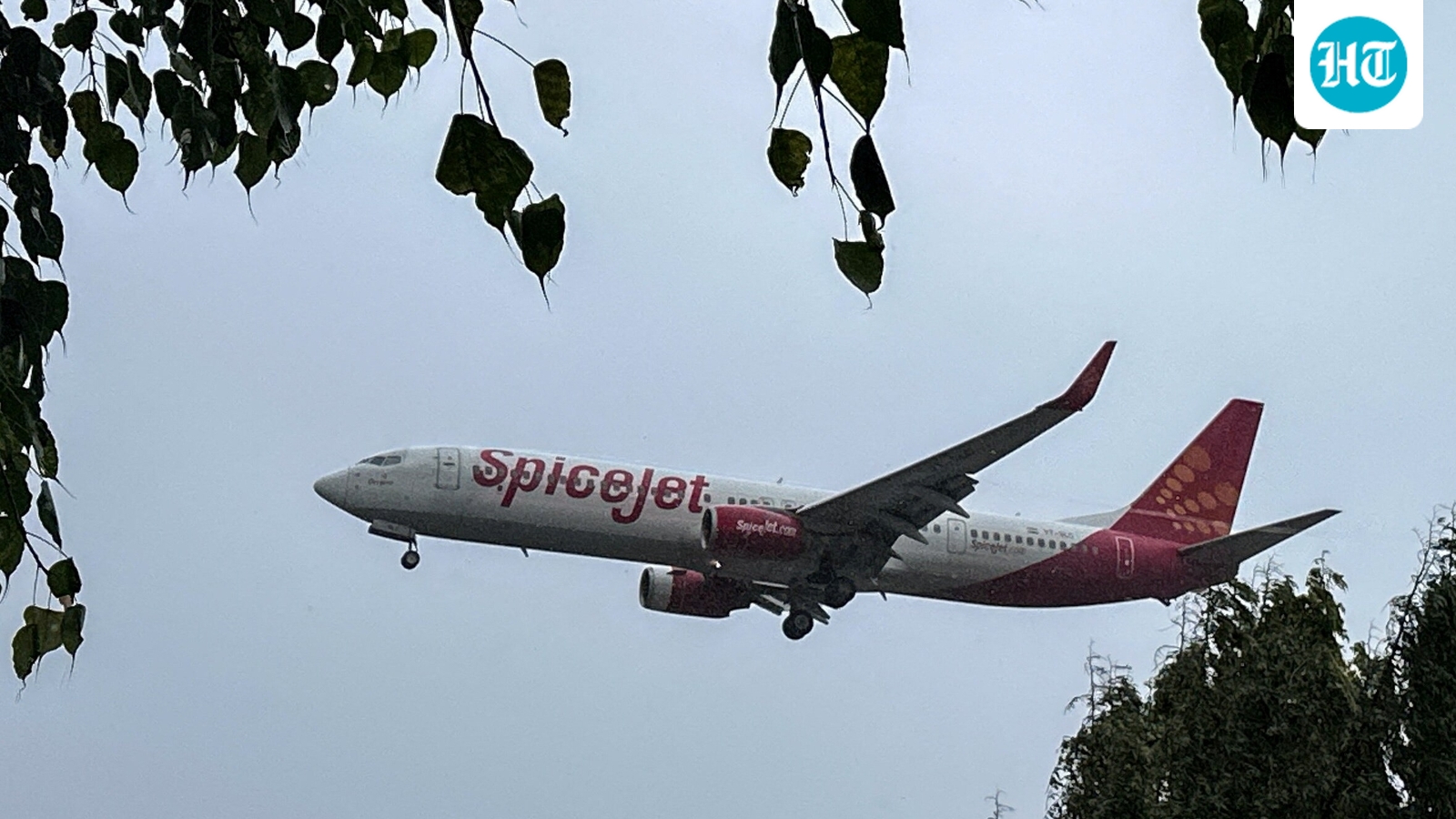
The Federation of Indian Pilots (FIP) has flagged concerns over the potential impact of SpiceJet's ongoing financial crisis on aviation safety, citing delayed salary payments, mounting liabilities and operational challenges at the airline.
In a letter to civil aviation minister Kinjarapu Ram Mohan Naidu, the pilots' body also highlighted that most of SpiceJet's aircraft were grounded, and said that the airline had unpaid vendor and airport dues.
FIP said that the crisis is not limited to being a corporate financial matter, but has a larger impact for the travelling public, airline employees, pilots, airport operators, aircraft lessors, and service providers. The letter added that it would also affect the “safety and sustainability of civil aviation in India.”
It urged the government to look into the “financial health of airlines and the adequacy of the existing regulatory mechanism” to identify any financial distress before it spills onto operational and safety-related consequences.
Also Read | ₹35.85 crore">Dubai airport operator stops SpiceJet check-in over non-payment of around ₹35.85 crore
This comes a couple of days after the Directorate General of Civil Aviation (DGCA) issued show-cause notice to SpiceJet over repeated rule violations, flight delays and cancellations, and concerns about the airline's largely grounded fleet. SpiceJet is facing financial difficulties and trying to raise funds to keep its operations running.
On November 18, the airline's board approved a proposal to raise up to ₹5,500 crore through equity and other permitted financial instruments, according to an earlier HT report.
The FIP, in its letter, recommended the ministry of civil aviation to direct DGCA to undertake a comprehensive review of the implementation and effectiveness of regulatory provisions under the Civil Aviation Requirement (CAR) in this context. “Our specific recommendation is that a mandatory annual financial health and safety-risk assessment be undertaken for every scheduled airline, supplemented by quarterly monitoring for airlines exhibiting financial distress,” it said.
Why did the pilots' body write to civil aviation minister?
The FIP said that Spicejet, which was once India's leading domestic airline with a market share of approximately 21 per cent in 2014, had seen “substantial decline” in its market position and operational capacity. The pilots' body said the airline had been facing severe share of approximately 21 and had accumulated liabilities, adding that it was facing difficulties in meeting its day-to-day financial commitments.
It said that a “substantial part” of SpiceJet's aircraft fleet had remained grounded owing to financial constraints, pending payments to aircraft lessors, maintenance-related issues and difficulties in arranging components and spare parts.
Aircraft lessors are companies or financial institutions that buy commercial aircraft, engine parts, or related equipment from manufacturers and lease them to airlines for set periods.
Citing reports, FIP said salary payments to pilots and other employees had been delayed, with certain salary dues having been outstanding for months. Owing to unpaid dues, certain service providers have reportedly moved the airline to a cash-and-carry payment arrangement, the letter said. The pilots' body flagged DGCA's show-cause notice to SpiceJet citing its condition, and the “absence of a credible recovery plan.” It said that a to a cash-and-carry payment arrangement had inconvenienced passengers.
Also Read | SpiceJet crisis: Understanding flight cancellations, passenger rights
FIP cites internal, external factors for crisis
The FIP claimed SpiceJet's crisis was owing to a combination of internal financial and management-related issues and external economic and industry related pressures.
The internal and structural factors cited by the pilots' body included prolonged grounding of aircraft, including the impact of the Boeing 737 MAX grounding in 2019, which allegedly reduced revenue-generating capacity while fixed financial obligations continued. Accumulated debts, inadequate working capital, loss of market share and revenue, and high exposure to foreign currency also contributed to present condition of SpiceJet, according to the FIP letter.
Apart from these, FIP said external factors like the increase in aviation turbine fuel (ATF) price and high and varying state VAT (value added tax) on the fuel, along with geopolitical tensions which led to operational disruptions, also played a role in magnifying financial constraints.
ABOUT THE AUTHOR
Follow the latest breaking news, major developments and agenda-setting stories from India and around the world with the newsdesk at Hindustan Times. Operating round the clock, the desk brings together experienced editors, reporters and correspondents to deliver fast, accurate and contextual reporting across subjects that influence public policy, governance, business, society and international affairs. The HT News Desk covers politics, elections, government policies, the economy, business and markets, science and technology, the environment, law and order, infrastructure, education, climate issues and geopolitics, while closely tracking developments across states, institutions and global capitals. The team also leads coverage of major breaking news events, policy announcements, court proceedings, natural disasters, public emergencies and significant international developments. Reports published by the newsdesk are based on information gathered from reporters on the ground, official statements, government agencies, court records, regulatory filings, recognised institutions and other authoritative sources. Stories undergo editorial scrutiny and verification processes to ensure accuracy, fairness and relevance, and are updated as events evolve and additional information becomes available. Whether covering a key political decision in New Delhi, an economic policy shift affecting millions, a landmark court ruling or a major global event, the HT News Desk aims to provide readers with reliable, fact-based journalism that delivers not only the latest developments but also the context and analysis needed to understand their wider implications.
KioskNews shows a cleaned-up reading view extracted from the publisher’s page — the original always lives on their site, not ours.