The specialists charging eye-watering mark-ups on medical fees
Australians paid more than five times the benchmark price for a visit to a specialist doctor on more than a million occasions last year, the Department of Health has found.
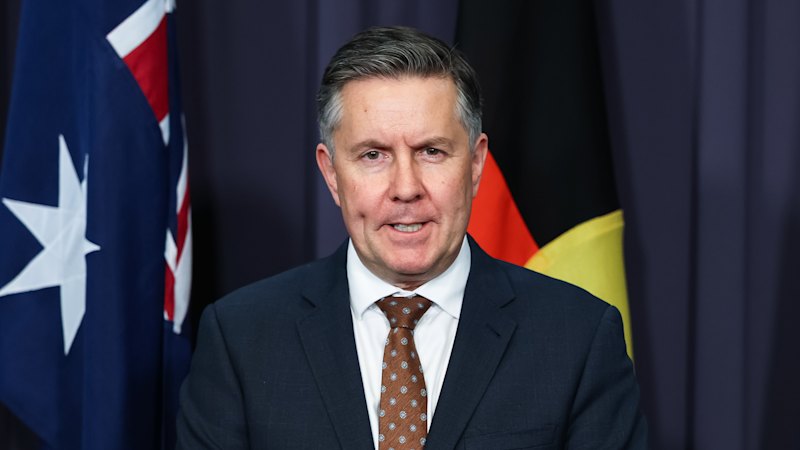
Health Minister Mark Butler has put “excessive” specialist fees in his sights as Labor attempts to ease persistent cost of living pressures on Australians.
But his department has also uncovered a broader affordability problem: specialist out-of-pocket costs have been rising at twice the rate of inflation over the past decade.
Australians paying for out-of-pocket, out-of-hospital specialist fees last year were charged $458 more than they were in 2019, according to a department consultation paper into specialist affordability released this week. That’s a more than 75 per cent jump, to $4.17 billion.
In-hospital gap fees for those with private health insurance rose almost as sharply over the same period, the paper found.
The department acknowledged the “significant community concern” over the rising cost of healthcare, and it said the government was concerned about the pace with which specialist fees were increasing. But it said its paper was primarily focused on excessive fees charged by a “small minority of providers on top of these general fee increases”.
Specialist healthcare cost more than five times the benchmark price on 1.24 million occasions last year. Another 6 million services were billed at between three to five times the schedule fee.
The government determines the benchmark schedule fee for services, and providers can set their own prices on top.
Dermatologists charged the most above the benchmark for out-of-hospital services, and had the highest proportion of patients paying five times the schedule fee. Obstetricians, gynaecologists and sports and exercise specialists followed. In hospital, anaesthetists charged the most above the benchmark.
The department said many providers recognised their ethical obligations to ensure fees for healthcare were reasonable.
“However, analysis of the fees charged by providers indicates there are providers who are charging fees that are significantly higher than their peers,” its paper said.
The department said limited transparency over how costs were set, the imbalance of power between the provider and patient, and excessive fees were compromising access to specialist services.
Those with chronic health conditions or in need of ongoing psychiatric care faced a greater financial burden when returning to the same high-fee provider, the paper said.
Private Healthcare Australia chief executive Dr Rachel David called for Labor to do more to tackle rising costs as the Australian Bureau of Statistics reports millions of Australians are delaying or going without healthcare due to the cost.
“The government should not stop at the most extreme outliers. Excessive fees are the sharpest edge of a much broader affordability problem: specialist fees and gaps across the market have been creeping up much faster than inflation for years,” David said.
She said the organisation supported the measures the government was considering through a parliamentary inquiry, including fee caps, incentives to encourage more bulk billing, and consequences for unreasonable pricing.
David said one in three people referred to a specialist doctor were not attending, according to Private Healthcare Australia surveys.
“This is causing delayed diagnoses, avoidable complications and people to need invasive, expensive hospital care that could have been prevented,” she said.
“That undermines the value of health cover and adds pressure across the entire health system.”
The organisation has also found some patients paying thousands of dollars more for procedures that cost others nothing. Its data show the median fee for a knee replacement in 2024-25 was $1080, but 10 per cent of patients had been charged more than $5300.
“Private health insurance cannot protect patients from every medical bill. Health funds are legally limited in what they can cover outside hospital, and no-gap and known-gap arrangements depend on doctors choosing to participate. When specialists charge well above those arrangements, the extra cost falls directly on patients,” David said.
Butler said Labor had made improving specialist affordability a priority for its second term.
“I’ve asked my department for advice on options to start to get this huge growth in out-of-pocket costs back under control,” he said, pointing to the inquiry into specialist fees, which is taking submissions until October.
He said Labor was also fixing the former government’s Medical Costs Finder by publishing information about specialists and their billing.
“Australians deserve transparency, fair pricing and confidence their premiums are being directed where they are needed most,” he said.
“I expect private health insurers and hospitals to work hard to bring down costs and keep future price increases to a minimum.”
Cut through the noise of federal politics with news, views and expert analysis. Subscribers can sign up to our weekly Inside Politics newsletter.

KioskNews shows a cleaned-up reading view extracted from the publisher’s page — the original always lives on their site, not ours.