Hongkongers to draft end-of-life treatment refusals online from next year
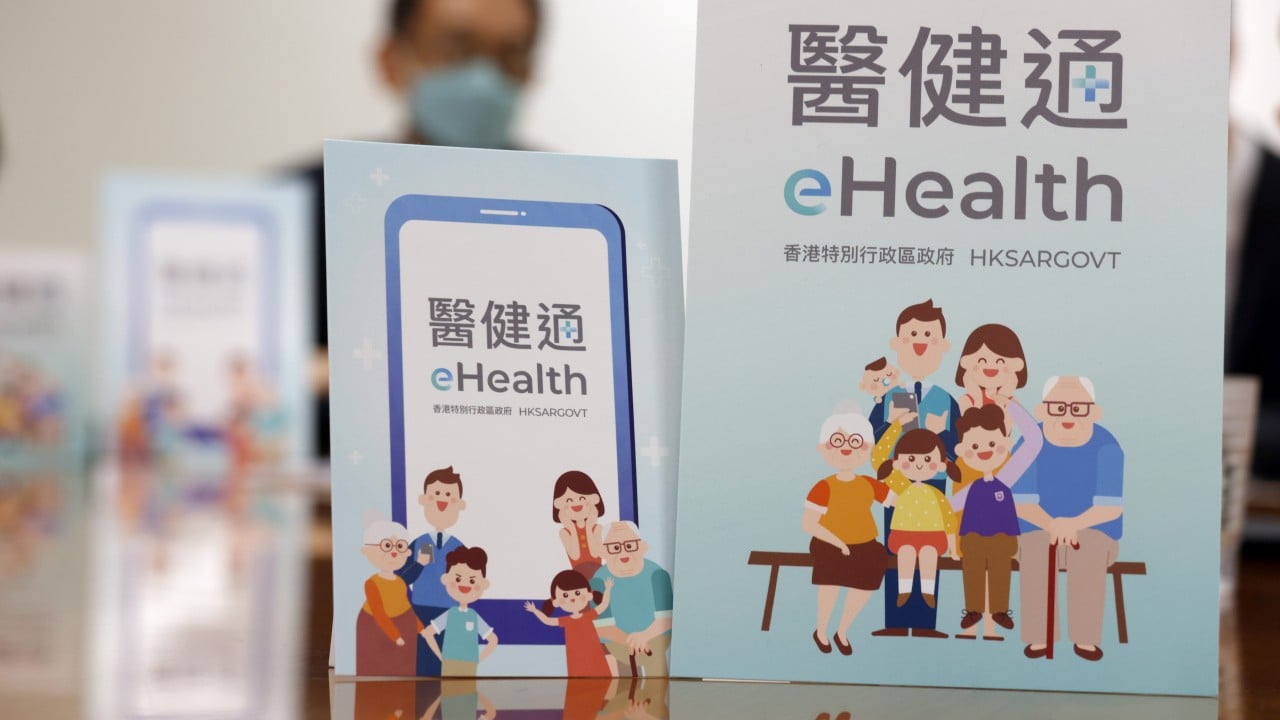
Hongkongers will be able to create advance medical directives electronically, setting out which life-sustaining treatments they do not wish to receive when terminally ill on the city’s eHealth record platform as early as next year, authorities have said.
In a written reply to lawmakers on Wednesday, Secretary for Labour and Welfare Chris Sun Yuk-han said the electronic service for advance medical directives, which currently exists only in paper form, would be rolled out “in phases”.
After consulting government units including the Health Bureau, he said eHealth would serve as the designated electronic system for residents to make, store and revoke a directive.
“The second phase will enable the making of advance medical directives through eHealth, which is expected to be implemented in 2027 at the earliest,” Sun said.
An electronic directive carried the same legal effect as its paper counterpart, he added.
An advance medical directive is a document that allows mentally capable adults to set out in advance which life-sustaining treatments they would refuse in future, such as cardiopulmonary resuscitation, artificial ventilation and pacemaker implantation.
The directive takes effect only when the patient loses mental capacity and reaches a specific clinical state, such as a persistent vegetative state.

The Advance Decision on Life-sustaining Treatment Ordinance, which gives the document legal status, came into force on July 31, after its passage by lawmakers in 2024.
From the same date, images of paper forms could be uploaded to eHealth, although the upload must be made by a registered doctor.
The law gives patients the power to refuse certain life-sustaining treatments once they are terminally ill and mentally incapable of making decisions.
But some practitioners of life-and-death education have said clearer instructions are needed, warning that the new law could give rise to potential conflicts between doctors and patients’ families, since relatives no longer have the right to object once a directive has been signed.
Another key instrument in end-of-life care is the do-not-attempt cardiopulmonary resuscitation (DNACPR) order, which instructs rescuers not to perform CPR when a patient suffers a cardiac arrest outside hospital.
DNACPR orders are not yet available in electronic form and must be kept in hard copy by patients or their carers.
Unlike a directive, which does not expire unless the maker revokes or amends it, a DNACPR order is valid for a maximum of one year.
The directive, a will and an enduring power of attorney are the three legal documents collectively known as the “three instruments of peace”, allowing residents to make advance arrangements over asset management, estate succession and medical wishes.
KioskNews shows a cleaned-up reading view extracted from the publisher’s page — the original always lives on their site, not ours.