Global Fuel Shock To Pump Price: Why Petrol In Pak Could Hit PKR 1,000
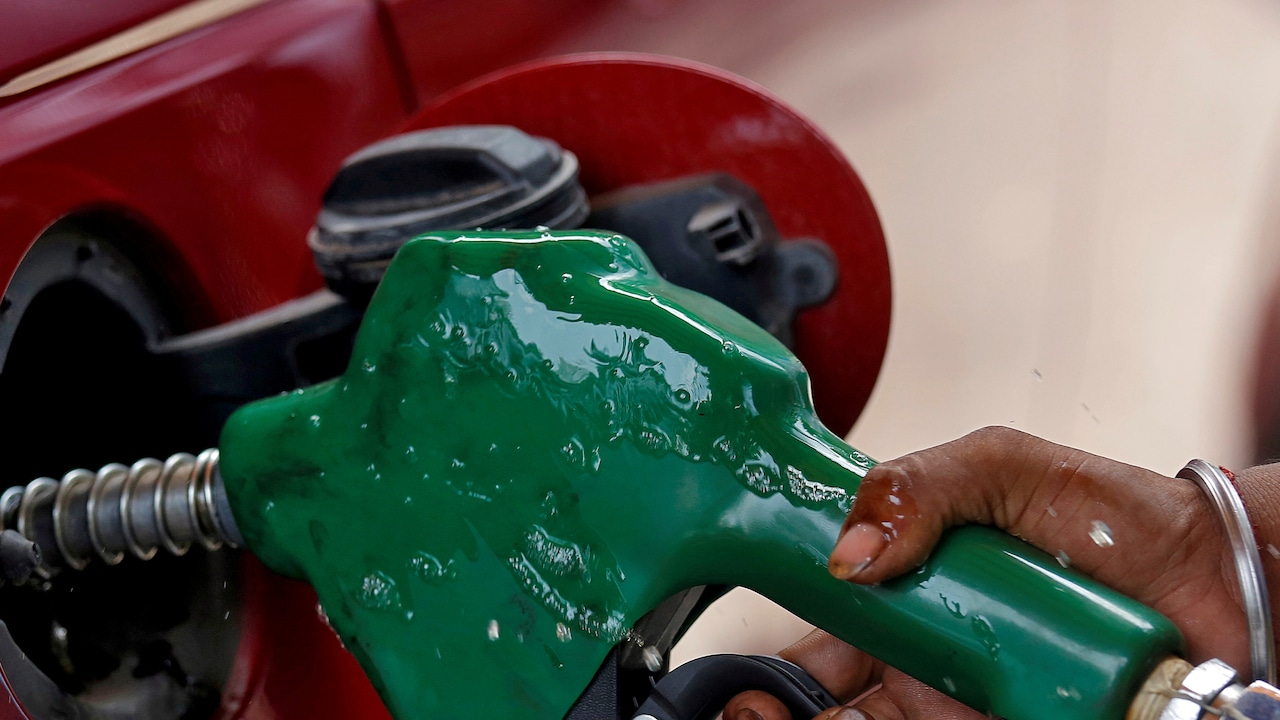
Pakistan's petrol price has risen sharply during the Middle East conflict, with the government passing higher international fuel costs on to consumers. Petroleum Minister of Pakistan Ali Pervaiz Malik warned that petrol could reach PKR 1,000 a litre if a fuel shortage develops.
He said Pakistan's petrol prices had already risen by about 50 per cent amid global volatility. The warning came as petrol was selling at PKR 389.14 a litre.
When Did Petrol Prices Rise?
The price movement began soon after the conflict broke out in late February. Petrol was PKR 266.17 a litre on March 1 and rose to PKR 321.17 by March 7.
The biggest jump came in early April. On April 3, petrol reached PKR 458.41 a litre, after the government raised the price by more than 4 per cent.
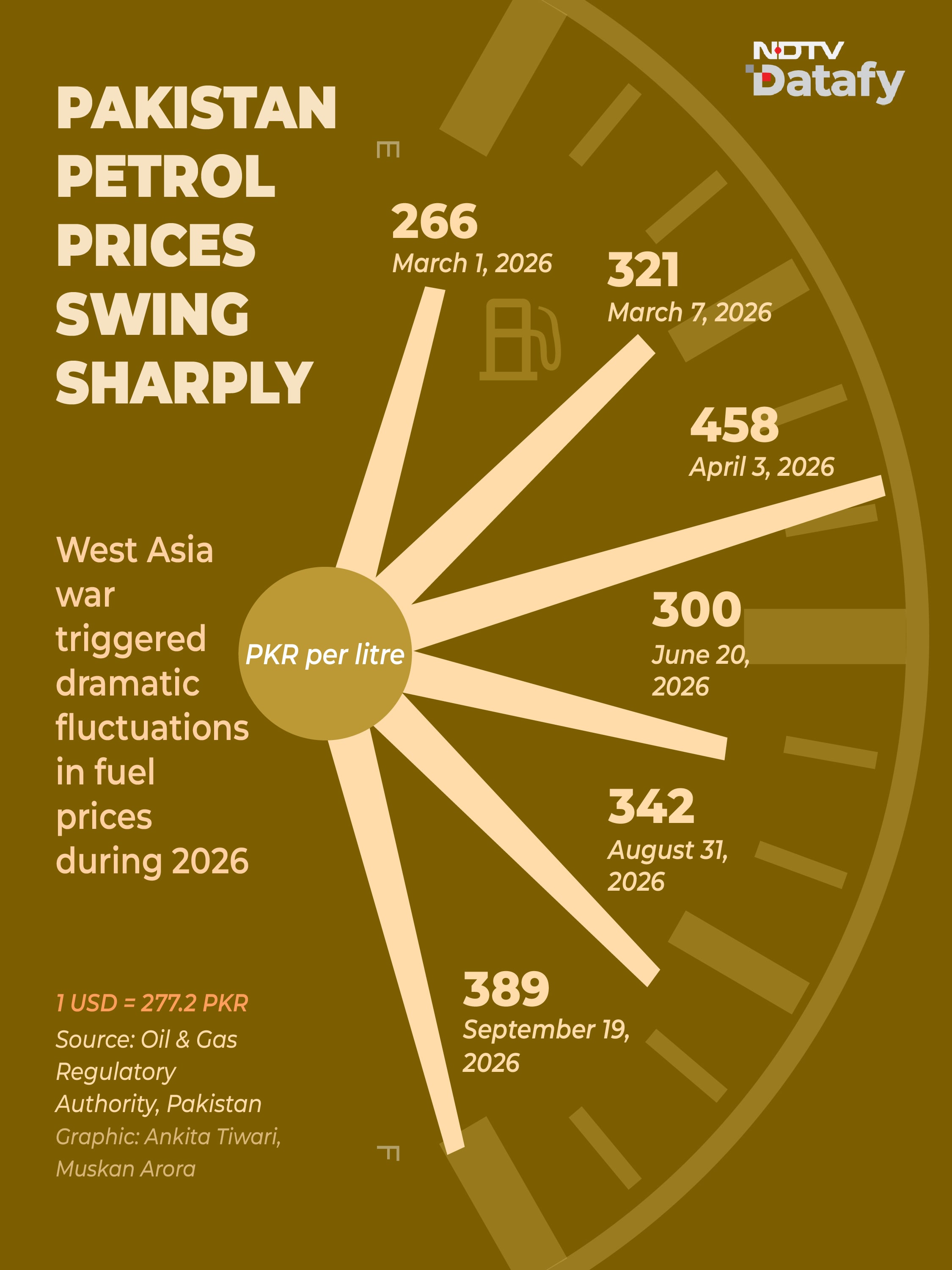
Prices then fell as international prices eased. Petrol dropped to PKR 299.50 on June 20. Now it is PKR 389.14 on September 19. Oil and Gas Regulatory Authority (OGRA) of Pakistan says the latest revisions were based on international market prices, premiums and other pricing factors.
Reasons Of Hike
A key reason Pakistan remains exposed to these movements is its dependence on imported refined fuel.
In FY2025-26 (July 2025 -June 2026), Pakistan imported 5.35 million tonnes of motor spirit, or petrol.
At the same time, domestic refineries recorded about 2.63 million tonnes of petrol supply, while Oil marketing companies (OMCs) sold about 7.68 million tonnes of petrol.
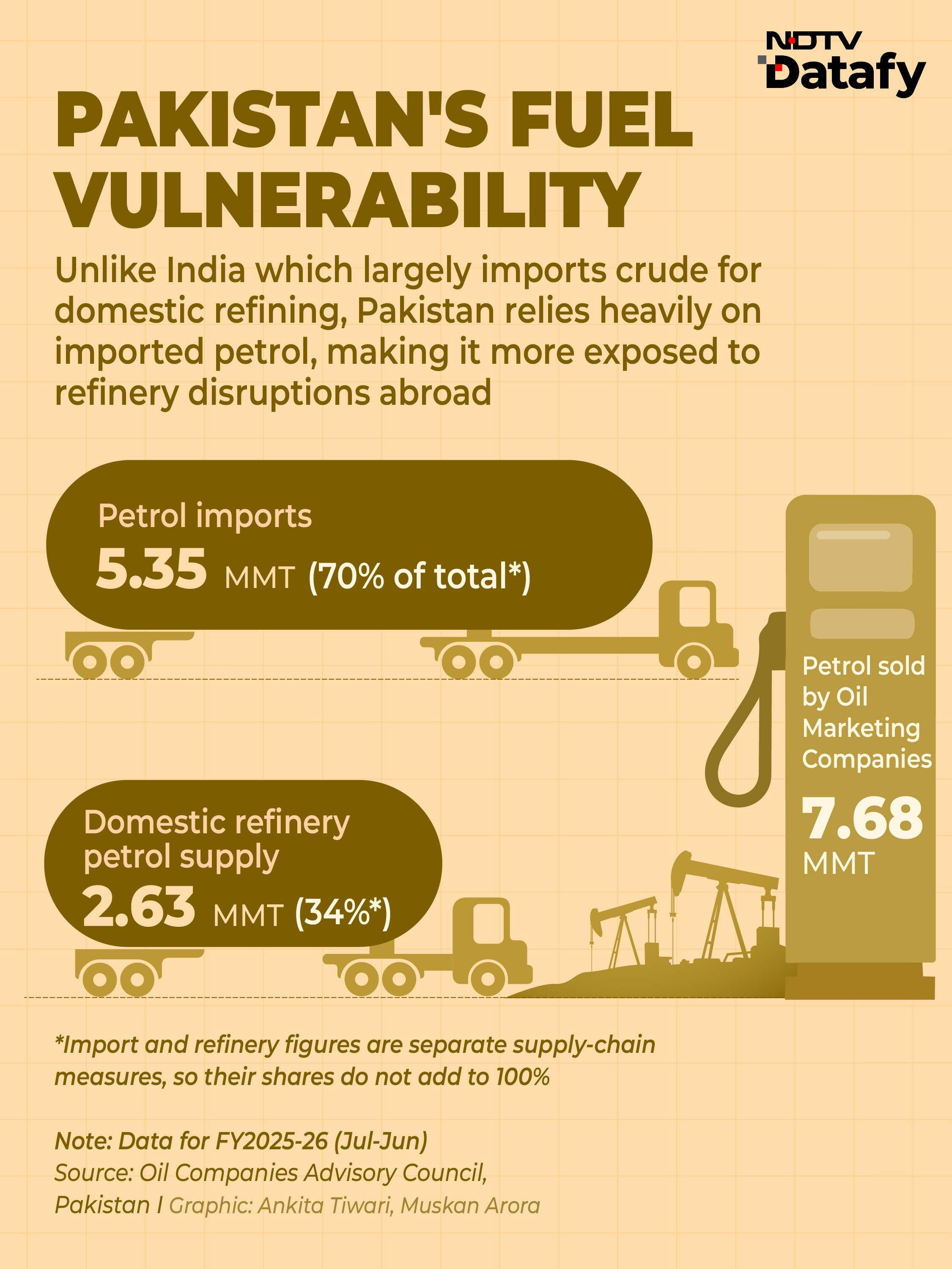
The import figure was equivalent to about 69.7 per cent of OMC petrol sales. These figures are measured at different stages of the supply chain and should not be treated as a 100 per cent supply split.
From Import Cost To Pump
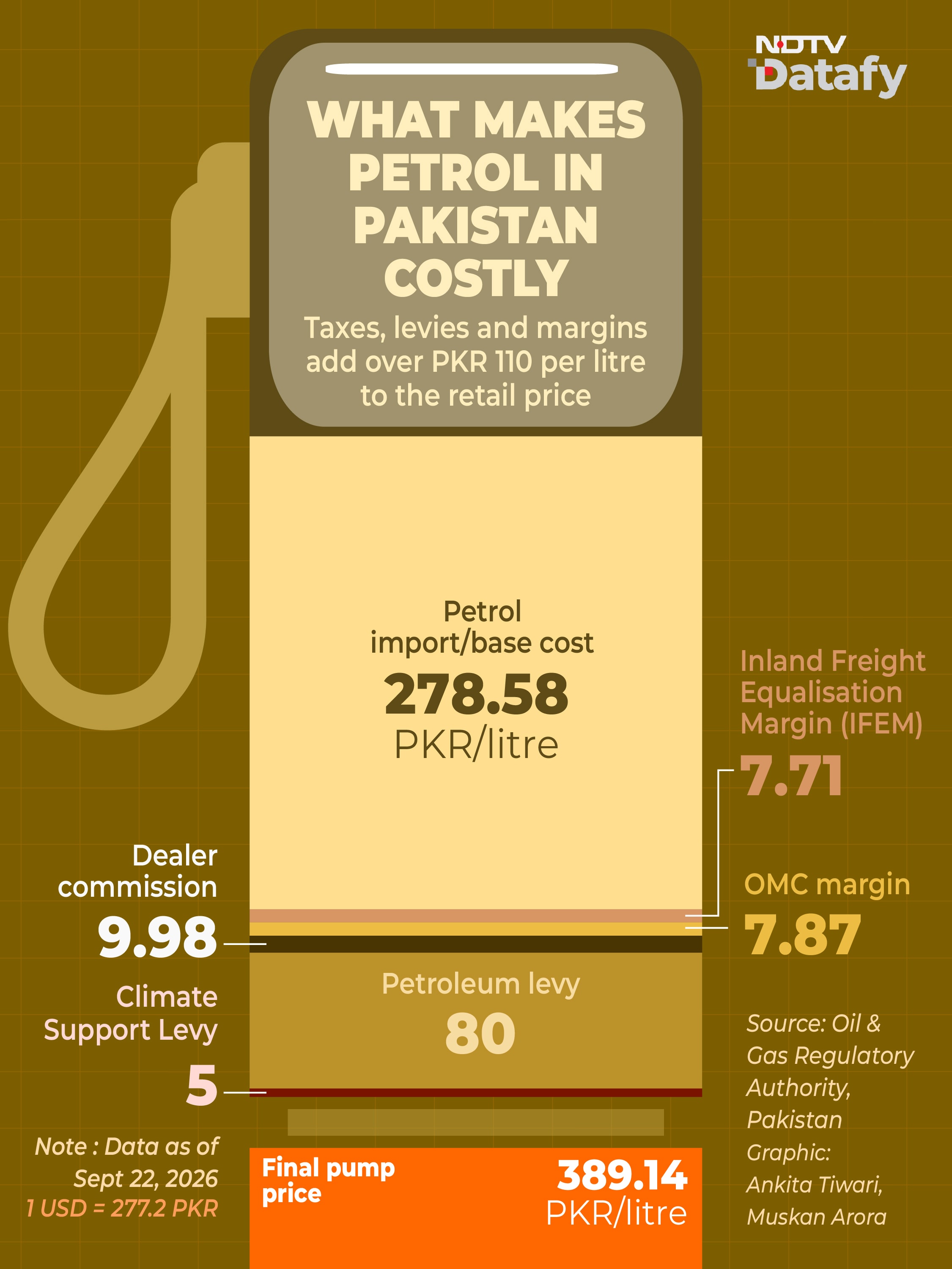
The pump price also includes several costs beyond the imported fuel itself. For the price effective September 19, the ex-refinery/import price, including customs duty, was PKR 278.58 a litre.
Inland Freight Equalisation Margin added PKR 7.71, OMC margin PKR 7.87 and dealer commission PKR 9.98. The petroleum levy added another PKR 80 and the Climate Support Levy PKR 5, taking the final pump price to PKR 389.14.
Oil and Gas Regulatory Authority publishes the detailed price computation.
The Pakistani rupee has also weakened against the US dollar, raising the local cost of imported fuel. On September 22, one US dollar was worth about PKR 277.21, compared with INR 95.82 in India, BDT 122.72 in Bangladesh and NPR 153.61 in Nepal. For Pakistan, this means dollar-priced petrol imports become more expensive in rupee terms, adding pressure to domestic fuel prices.
For Pakistan, the combination of imported refined petrol, international fuel prices, freight and premiums, domestic levies and exchange-rate movements determines how much consumers pay at the pump.
KioskNews shows a cleaned-up reading view extracted from the publisher’s page — the original always lives on their site, not ours.