Noah’s Ark researchers find possible charred wood fragments bearing tool marks at Durupinar site
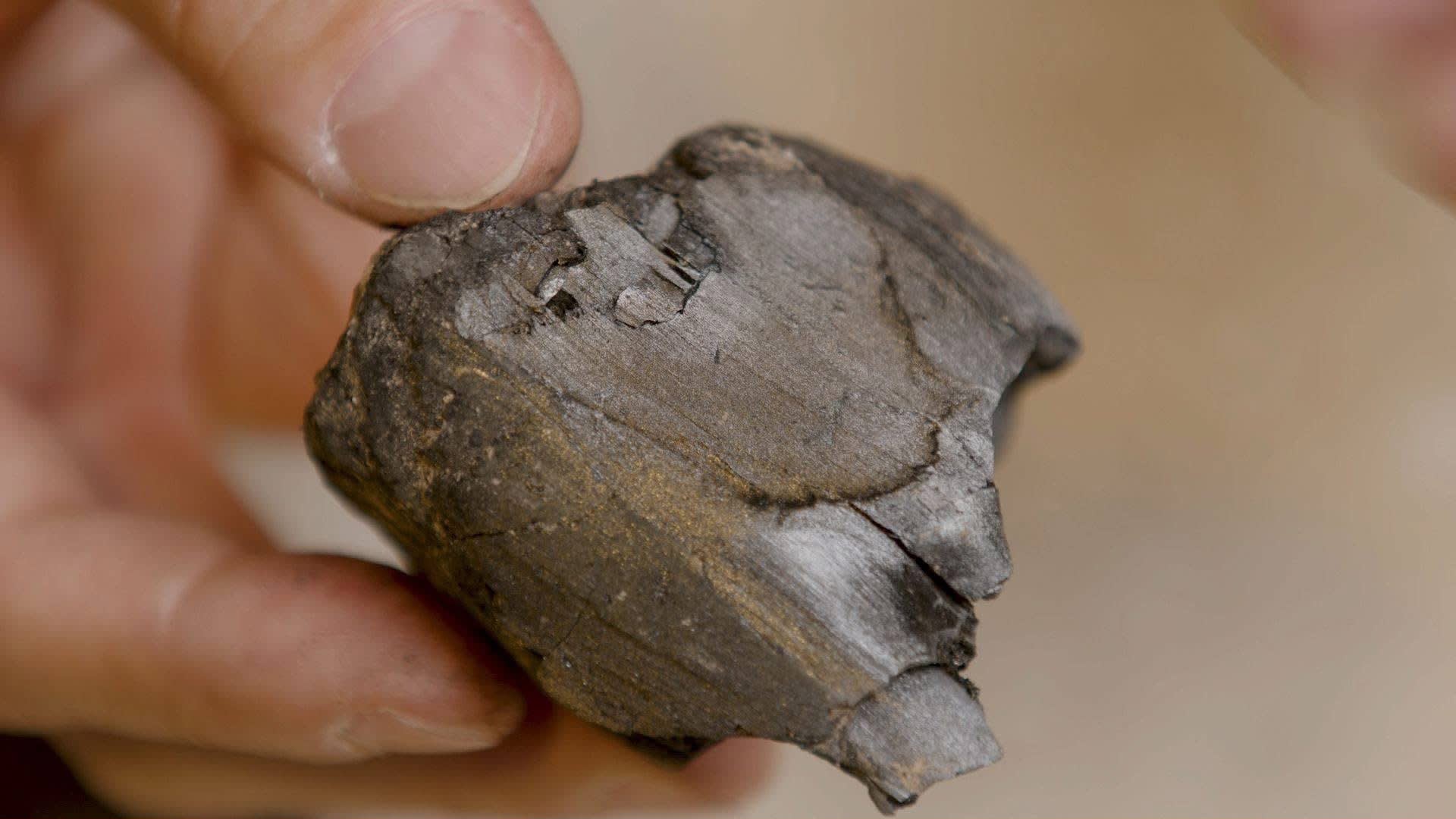
The fragments are currently undergoing carbon-14 dating to establish their age, as well as analysis identify the species of wood, and to search for traces of bitumen or sap.
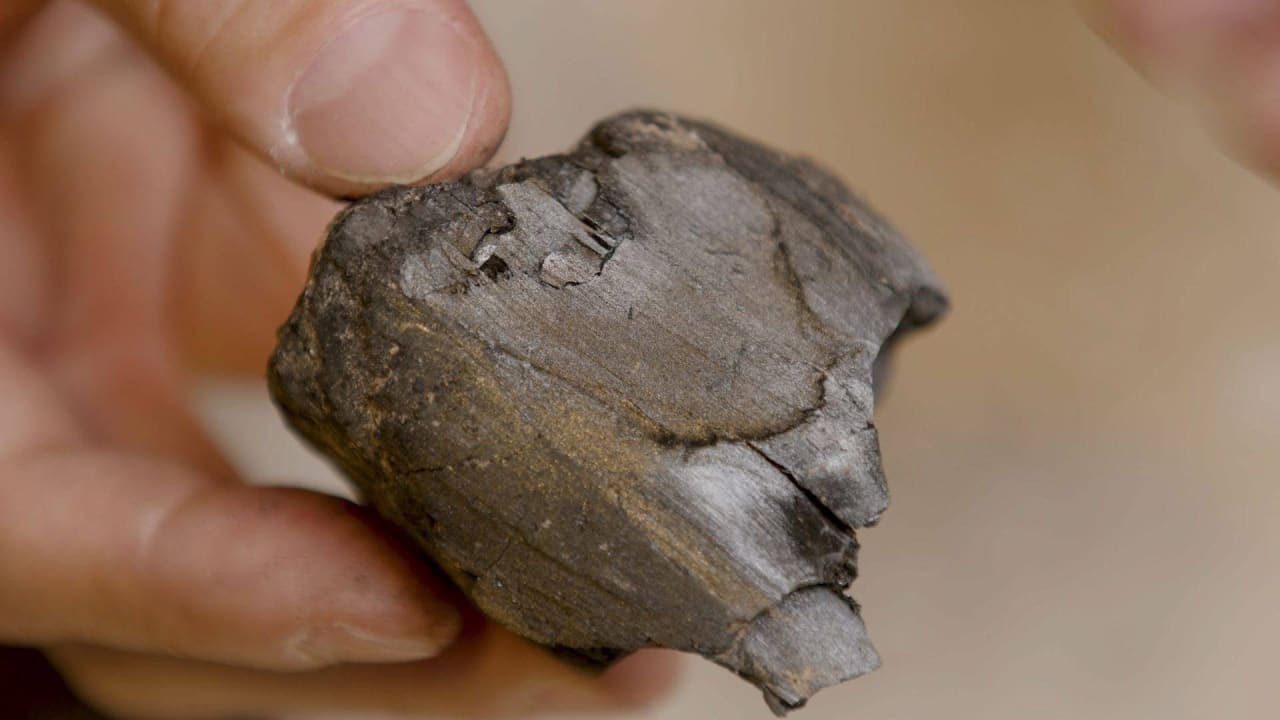
Fragments of what appears to be charred wood were recently discovered deep within the Durupinar formation, Noah’s Ark Scans (NAS) Founder Andrew Jones confirmed to The Jerusalem Post.
Durupinar, the boat-shaped mound located in eastern Turkey and recently visited by the Post, is thought by some to be the resting place of the biblical Noah’s Ark.
"Prof. Dr. Cenker Atila, President of our Noah’s Ark Research Project, has discovered what appears to be blackened, charred wood deep inside the Durupinar site, a thrilling development in our research at the Noah’s Ark site,” Jones said. “Charred wood survives at ancient archaeological sites, preserving valuable clues to the past.”
He shared that the fragments are currently undergoing carbon-14 dating to establish their age, as well as analysis identify the species of wood, and to search for traces of bitumen or sap.
The fragments were found approximately nine meters below the surface on the southern slope of the formation, said Atila in a video shared to NAS social media.
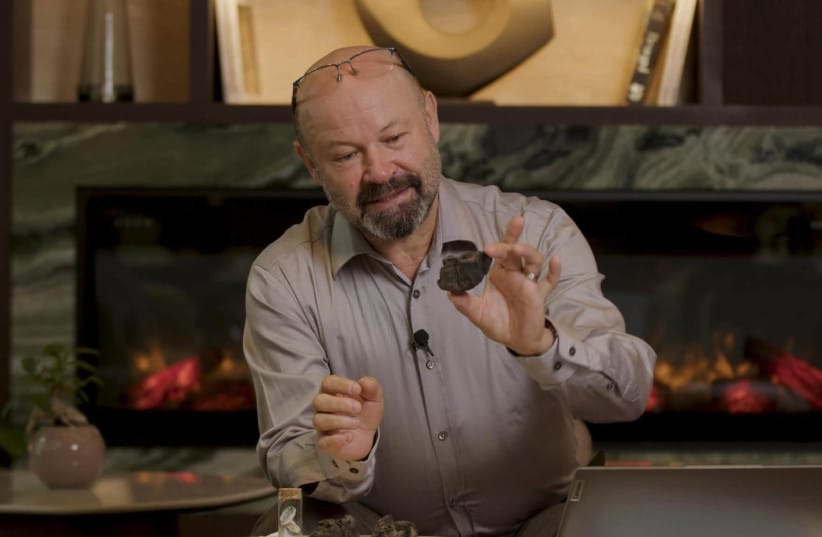
“One of the wooden pieces clearly shows signs of human workmanship. Its surface appears to have been slightly shaped and flattened using an axe or a knife,” he explained. “The fact that these wooden fragments were found at such a considerable depth indicates that they may belong to an ancient period."
In a separate post, NAS said Atila had collected enough fragments, along with other unidentified pieces described as “hard,” to fill several bags.
“After decades of searching, this could be a crucial piece of the puzzle,” Jones shared with the Post.
The fragments have not yet been independently linked to Noah's Ark.
NAS begins core drilling at Durupinar
Testing of the fragments comes as NAS waits for the results of soil analysis excavated from the site earlier this summer.
With permission from the Turkish government and alongside Atila, a classical archaeologist from Turkey’s Sivas University, NAS began core drilling into Durupinar in July.
The team drilled 12 holes inside the formation and four outside it, going as deep as some 20 meters in places. In October, Jones shared with the Post that none struck bedrock, which he said would have been the sign of a natural rock formation.
When the season ended in September, samples taken from within the formation were sent to several universities, including Bar-Ilan University, for testing, with a final report expected next spring.
KioskNews shows a cleaned-up reading view extracted from the publisher’s page — the original always lives on their site, not ours.