10 Near-Perfect TV Shows That Only Got Better With Time

Mads Misasi is a part-time entertainment journalist and full-time marketing content creator. Before joining the ScreenRant team they wrote for TellTaleTV for 9 years working their way up from contributor to Associate Editor. TV has been a passion of theirs since a very young age. Mads typically watches all of the things, especially dramas and sitcoms.
Some TV shows manage to hit the ground running from their very first episode. Others take a bit more time to figure out what makes them special. Whether the characters aren't quite there yet or the story hasn't found its footing, a rocky start can unfortunately turn viewers away before a show gets the chance to prove itself.
That said, a mixed first impression doesn't always tell the whole story. Once a show finds the right tone and allows its characters and world to grow, everything can start falling into place. In fact, some of TV's strongest series needed those early growing pains before they could become the shows audiences eventually came to love.
Time can also completely change the way those earlier episodes are viewed. What once felt uneven or uncertain can become easier to appreciate after seeing where the story ultimately goes. A strong enough evolution can even make it hard to believe there was ever a time when viewers weren't entirely sold on what a show had to offer.
The Magicians (2015-2020)
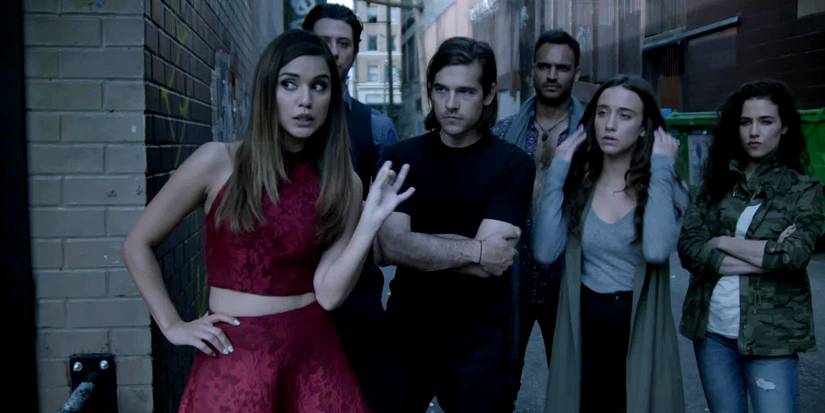
When The Magicians started in 2015, it was easy to dismiss the series as another attempt to capitalize on the popularity of magical schools and fantasy worlds. Its first season earned mixed reviews, with critics praising its ambition while calling out its sluggish pacing and familiar premise. There was potential there, but the series hadn't quite figured out what made it special.
That changed quickly. By season 2, The Magicians leaned harder into the darker, stranger sides of its world while giving its ensemble more room to shine. The series became increasingly confident in balancing absurd humor with genuinely devastating storytelling, ultimately turning what initially felt derivative into a fantasy series with an identity entirely its own.
Stargate SG-1 (1997-2007)

Stargate SG-1 had quite a bit working against it from the start. Turning a successful 1994 movie into a weekly television series was always going to invite comparisons, and its first season earned mixed reviews from critics who found the early episodes awkward and less impressive than the film.
That time certainly paid off. As the mythology grew, so did the relationships between Jack, Daniel, Sam, and Teal'c, giving the series an identity completely separate from the movie. What started as a somewhat clunky spinoff ultimately became a beloved science-fiction staple that lasted 10 seasons and created an entire television franchise.
Grimm (2011-2017)
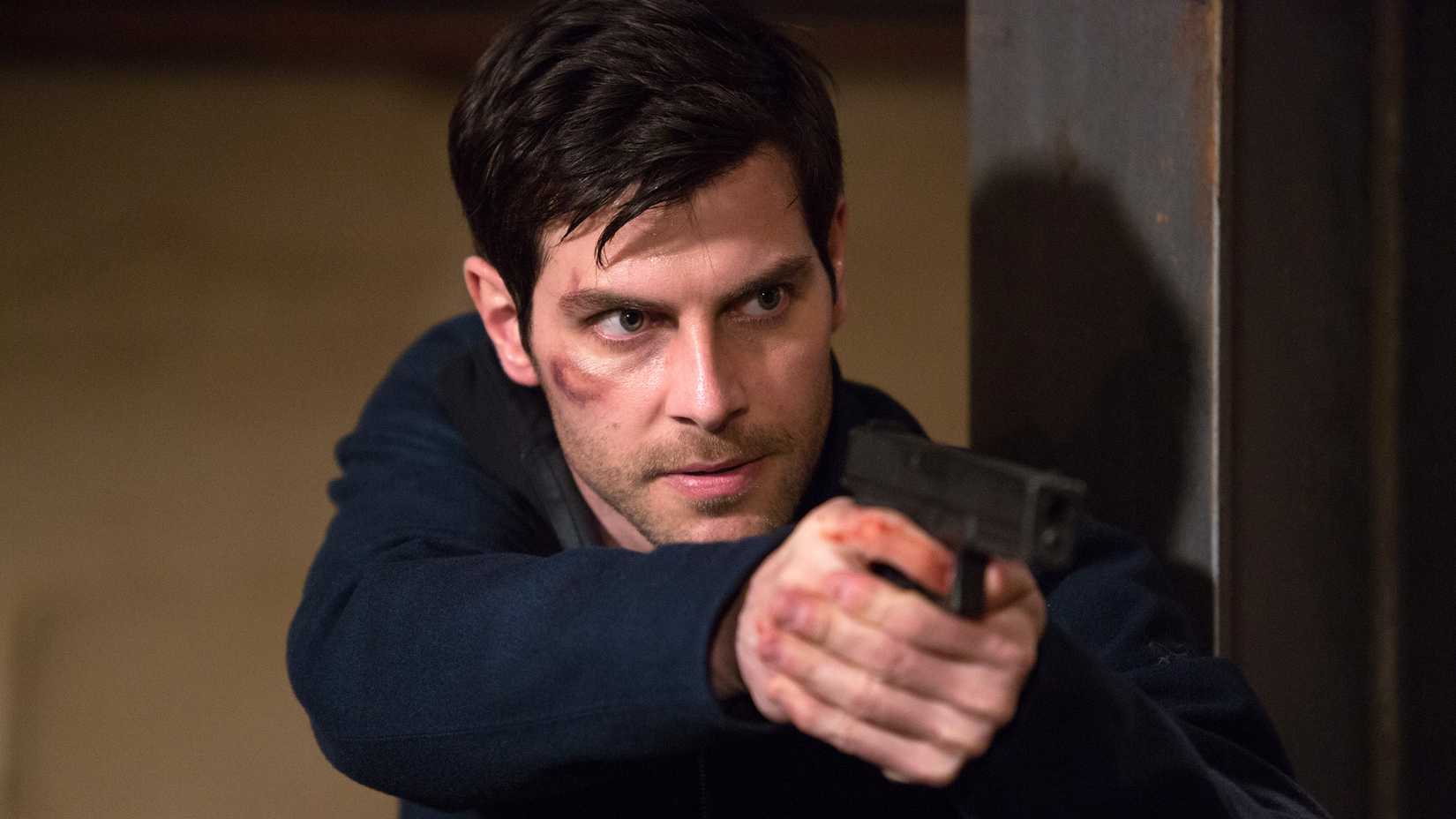
When Grimm first premiered, its blend of police procedural and supernatural fantasy was intriguing, but the series initially struggled to make those two sides feel equally compelling. Season 1 earned mixed reviews, with critics praising its darker take on fairy tales while also questioning its predictable case-of-the-week structure and underdeveloped characters.
Thankfully, the show became much more confident once it started looking beyond the monster of the week. Its expanded Wesen mythology, stronger ensemble, and increasingly complicated relationships gave the series a personality that its earliest episodes were missing. By season 2, Grimm had found the balance between procedural storytelling and the larger supernatural world it was building.
Parks and Recreation (2009-2015)

You ask any fan, and they will tell you that Parks and Recreation is one of NBC's best sitcoms in history, except when it comes to the first season. Those first six episodes lacked the rhythm and personality that would eventually define the series, with Leslie Knope often feeling more like a Michael Scott stand-in than the endlessly optimistic public servant audiences grew to love.
Thankfully, Parks and Recreation quickly learned what worked and became a much stronger show for it. By allowing Leslie to be competent, letting its ensemble develop beyond one-note archetypes, and embracing the strange little community of Pawnee, Indiana, the series found its identity. What followed was a remarkably warm comedy that only became easier to love with time.
Spartacus (2010-2013)

There was nothing subtle about Spartacus when it first premiered. Its exaggerated violence, slow-motion battles, and endless amount of sex initially overshadowed what the series was actually capable of. Critics were understandably divided, but even during that first season, it became clear there was much more happening beneath all that blood.
Once it found its footing, the characters and political maneuvering became every bit as compelling as the gladiatorial fights. The series learned how to use its over-the-top style rather than rely on it, transforming into a surprisingly emotional story about loyalty, freedom, and rebellion. By then, dismissing it as an empty spectacle became nearly impossible.
BoJack Horseman (2014-2020)
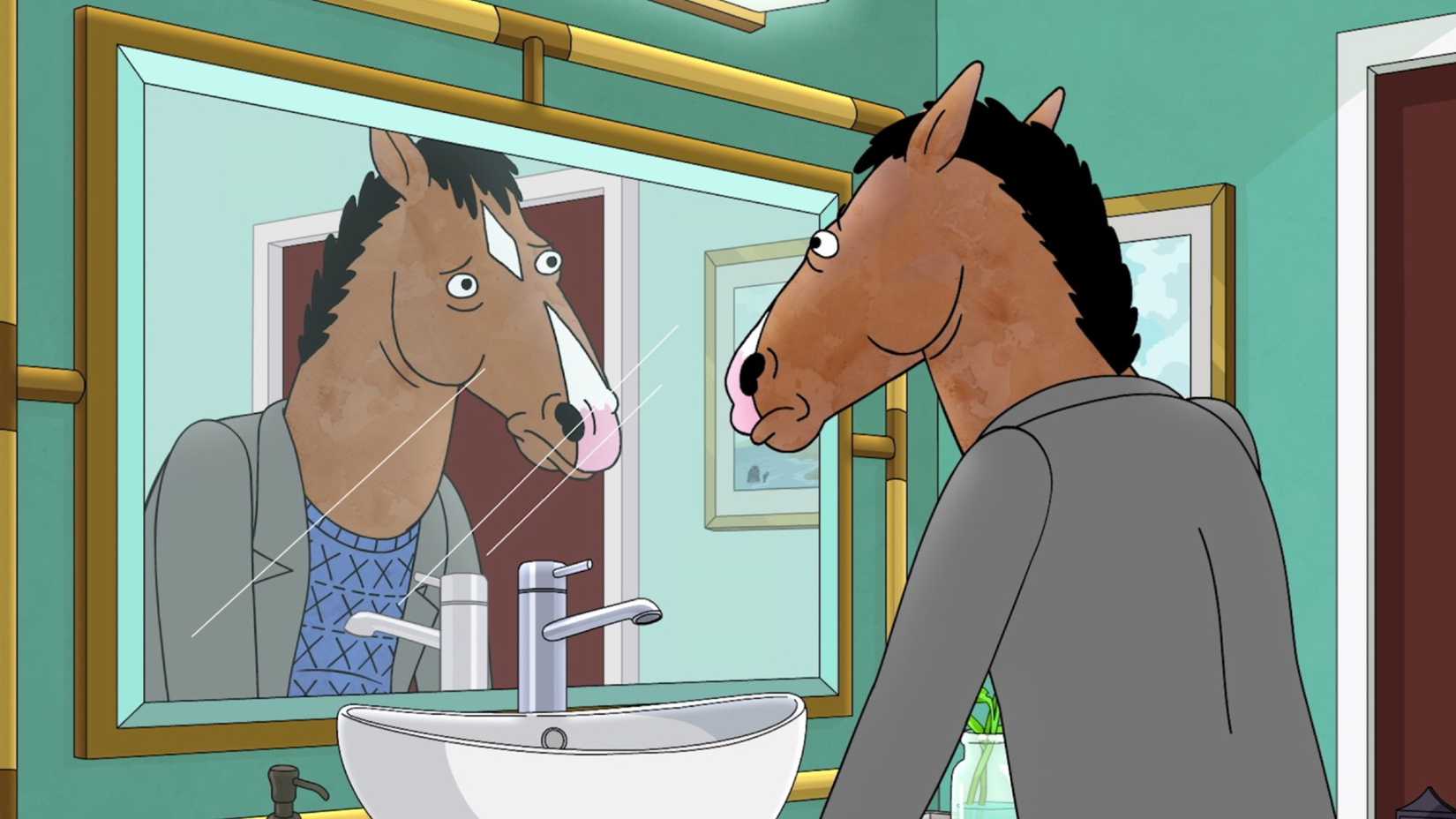
At first glance, BoJack Horseman seemed like another adult animated comedy built around an obnoxious main character and plenty of crude humor. While there were hints of something deeper during its first season, it took several episodes before the series revealed just how interested it was in exploring depression, addiction, fame, and the consequences of hurting others.
Once the series found that balance, there was no looking back. The comedy never disappeared, but it became intertwined with increasingly devastating character work that refused to offer easy answers. By the end of its run, the series had transformed into one of television's most thoughtful examinations of whether people can actually change.
12 Monkeys (2015-2018)

Adapting a beloved science-fiction movie into a television series was always going to be a difficult task, and 12 Monkeys initially struggled under the weight of those expectations. Its first season offered an intriguing time-travel mystery, but the series had yet to show just how ambitious its complicated story would eventually become.
As the mythology expanded, 12 Monkeys only became more confident in the story it was telling. Seemingly insignificant details suddenly mattered, characters were given surprising emotional depth, and the increasingly complicated timeline somehow remained rewarding instead of overwhelming. Most importantly, the series managed to stick the landing, giving its elaborate story an incredibly satisfying conclusion.
Schitt's Creek (2015-2020)

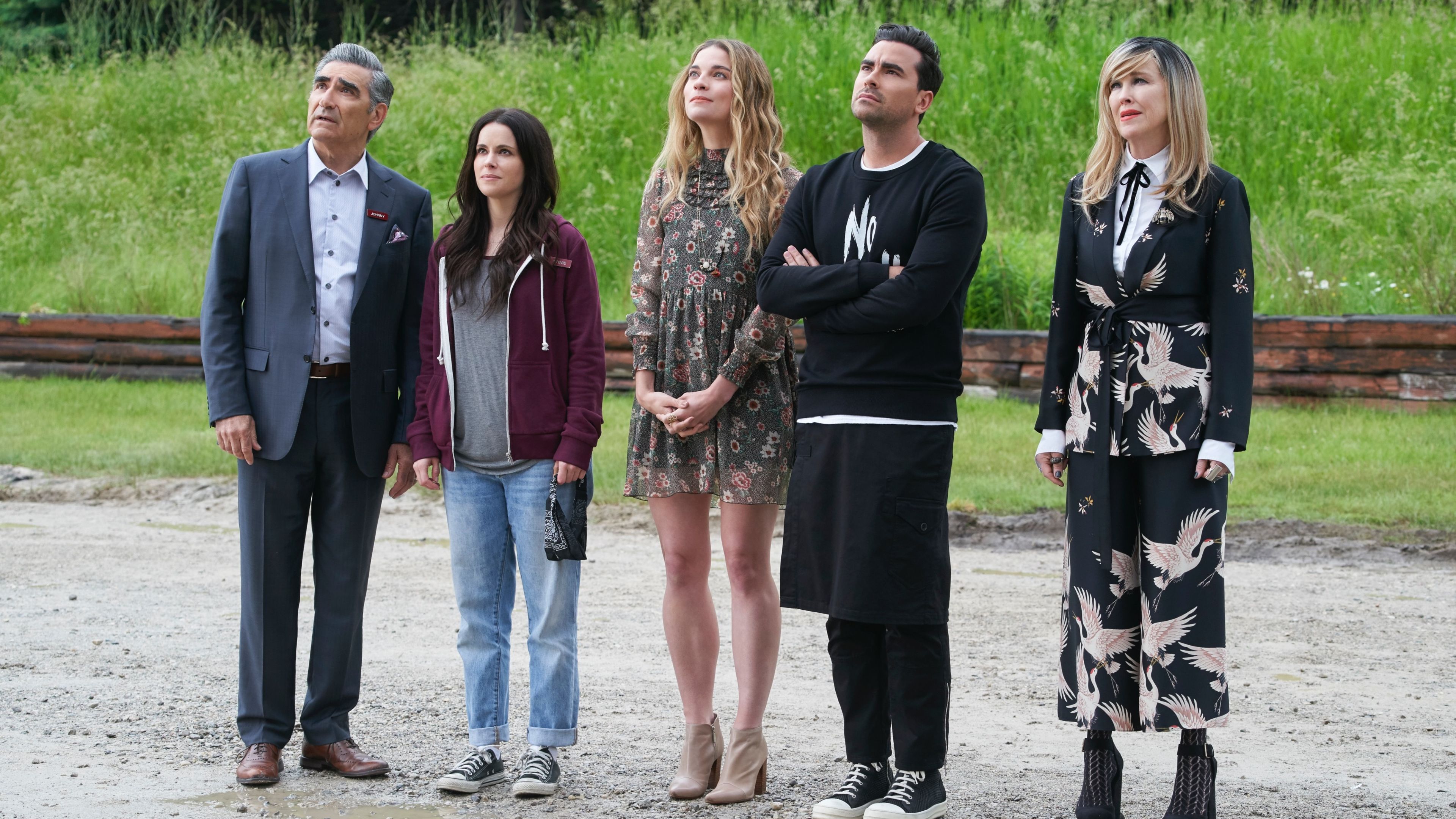
There is plenty to enjoy about this Canadian fan favorite's first season. However, it is more disjointed than the rest of the series due to a lack of focus. The Roses are still largely defined by their selfishness, not quite making them worthy of being rooted for, and Schitt's Creek's humor leaned more toward the absurd instead of the intelligent humor it soon became known for.
Thankfully, Schitt's Creek allowed those characters to grow and put down roots in a town they initially despised, opening up the stories to include more of the quirky personalities throughout Schitt's Creek. It slowly became a place the Roses genuinely loved and wanted to be a part of. By its final season, the comedy had evolved into something surprisingly heartfelt without ever losing its strange personality.
Person of Interest (2011-2016)
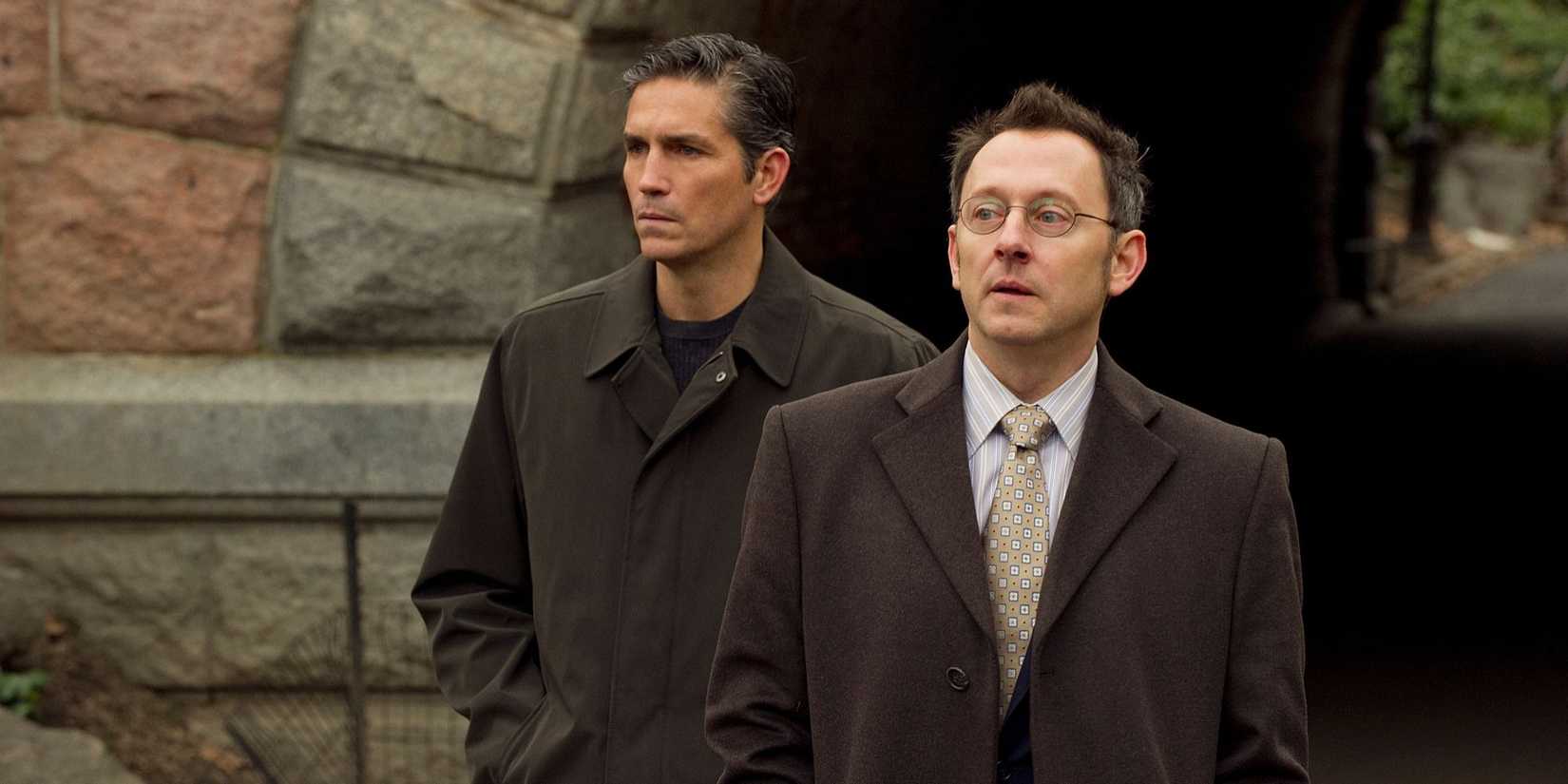
Person of Interest initially looked like another CBS procedural, complete with a new number and case for Reese and Finch to investigate each week. The concept certainly worked, but those early episodes gave viewers little indication that the series would eventually become something much larger than the crime drama it initially appeared to be.
Once it began digging deeper into the Machine and the consequences surrounding artificial intelligence, everything changed. The procedural elements remained, but they became part of a much more serialized battle involving surveillance, morality, and free will. What began as a fairly straightforward network drama ultimately grew into one of television's most ambitious science-fiction stories.
The Leftovers (2014-2017)

Few shows asked as much patience from their audience as The Leftovers. Its first season was intentionally bleak, emotionally exhausting, and far more interested in asking questions than answering them. That approach was never going to work for everyone, especially when the mystery surrounding the Sudden Departure initially seemed like something the series was expected to solve.
But solving that mystery was never really the point. Once the narrative fully embraced that idea, the series became far more confident, strange, and emotionally powerful. Its final two seasons explored grief, faith, love, and uncertainty without forcing simple explanations onto any of them, turning one of television's most divisive dramas into one of its most celebrated.
KioskNews shows a cleaned-up reading view extracted from the publisher’s page — the original always lives on their site, not ours.