7 Thriller Books That Are a Masterclass in Suspense

Dyah (pronounced Dee-yah) is a Senior Author at Collider, responsible for both writing and transcription duties. She joined the website in 2022 as a Resource Writer before stepping into her current role in April 2023. As a Senior Author, she writes Features and Lists covering TV, music, and movies, making her a true Jill of all trades. In addition to her writing, Dyah also serves as an interview transcriber, primarily for events such as San Diego Comic-Con, the Toronto International Film Festival, and the Sundance Film Festival.
Dyah graduated from Satya Wacana Christian University in October 2019 with a Bachelor's degree in English Literature, concentrating on Creative Writing. On March 2026, Dyah graduated with Master's degree in English Literature Studies, with a thesis on intersectionality in postcolonial-feminist studies in Asian literary works.
Born and raised between Indonesia and Singapore, Dyah is no stranger to different cultures. She now resides in the small town of Kendal with her husband and four cats, where she spends her free time cooking or cycling.
Sign in to your Collider account
Authors have used all sorts of scenarios, flawed characters, and plot twists to write a solid thriller, but the one thing they all have in common is suspense. It's the feeling that makes readers' stomachs churn, keeps them on the edge of their seats, and makes it impossible to put a book down, even when it’s already late at night. The more you read, the more you want answers, only for the truth to be pulled out from under you or hit you with a twist you never saw coming.
Suspense can take many forms, from questioning our own judgment and the way we see society to wondering who's responsible for someone’s suffering or trying to solve a mystery that refuses to add up. Some books keep readers guessing until the very last page, while others make every new discovery even more unsettling than the last. If you're looking for thrillers that nail the art of keeping readers hooked, these books deliver. From an amnesia case gone wrong to the dangers of living a double life, here are thriller books that are a masterclass in suspense.
'The Last One' (2023)

It's one thing to be stranded in the ocean, but The Last One by Will Dean takes that fear even further. Caz Ripley and her boyfriend board the RMS Atlantica, expecting an uneventful trip to New York. However, she wakes up the next morning to find not only her boyfriend missing but also the entire cruise ship deserted. Strangely enough, the vessel is still moving on autopilot. With no response to her distress calls, Caz is completely on her own.
The biggest question in The Last One is why everyone has disappeared. Each page also tests Caz's resourcefulness. She isn't particularly well-equipped to handle this situation, but she must search the entire ship for answers while figuring out how to survive. Before readers can get a clear explanation, however, the novel delivers a mid-book twist that completely changes the story. What begins as a fight for survival at sea turns into a sick, demented, Squid Game-like nightmare, making Caz's situation far more disturbing than readers initially expect.
'Before I Go to Sleep' (2008)
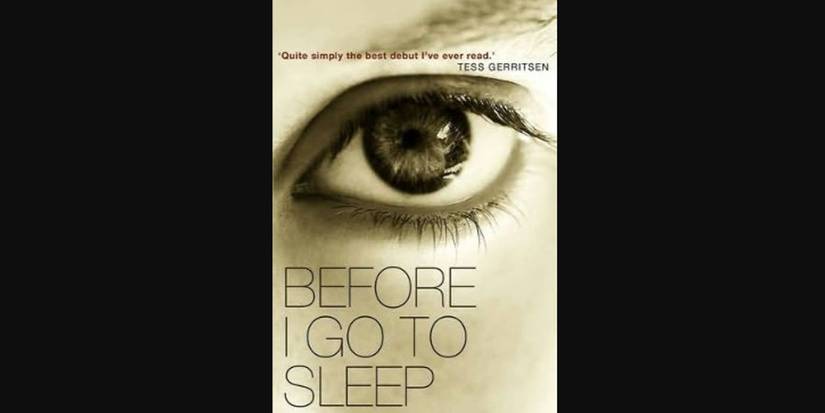
S. J. Watson's Before I Go to Sleep questions how reliable our memories really are. After all, our minds have a way of playing tricks on us. Every morning, Christine Lucas wakes up with no memory of her life, forcing her to rely on her husband, Ben, and a journal she keeps to piece together her identity. With help from Dr. Nash, a neurophysiologist treating her condition, she begins recovering fragments of her past, or so she thinks.
Fans of The Silent Patient will find familiar themes in Watson's psychological thriller. Christine's memory loss leaves her starting from scratch every morning, but her dependence on Ben raises an even more alarming question: Can she trust the man who claims to know everything about her? The novel also explores how women can become vulnerable when they doubt their own judgment. As Christine slowly pieces together her past, the suspense builds with every new discovery, especially because she never has enough information to understand what really happened to her or who might be responsible.
'Shutter Island' (2003)
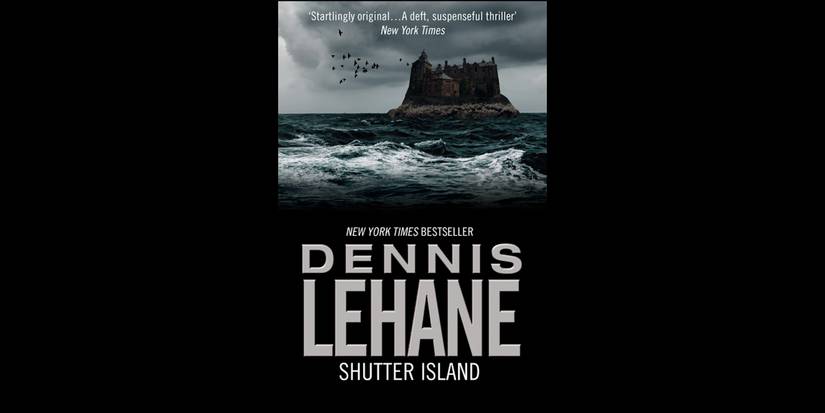
Before Leonardo DiCaprio starred in the bone-chilling movie adaptation, Dennis Lehane caught readers' breath in his novel Shutter Island. U.S. Marshal Teddy Daniels and his new partner, Chuck Aule, arrive at a remote island to investigate the disappearance of a patient from a hospital for the criminally insane. But finding her proves harder than expected, especially when the staff's strange behavior raises more questions than answers. As a storm traps them on the island, Teddy starts finding disturbing clues that make him question the hospital.
Shutter Island keeps readers guessing as Teddy Daniels uncovers strange clues about a missing patient and the hospital's possible secret experiments. The staff isn't exactly helpful, and the conflicting stories he hears make it hard to tell who's telling the truth. Even his own partner becomes a source of doubt. Meanwhile, a hurricane traps Teddy on the island, leaving him with fewer ways out as he investigates restricted wards and uncovers more disturbing details. The deeper he digs, the stranger things get.
'I Am Watching You' (2017)

Being a woman is never easy, even in broad daylight. Teresa Driscoll's I Am Watching You begins with Ella Longfield overhearing two men flirting with two teenage girls on a train. Ella grows uneasy when she realizes the men were just released from prison. Despite the obvious red flags, however, she chooses not to intervene. It becomes her biggest regret when one of the girls, Anna Ballard, goes missing the following day and remains missing for a year.
Ella carries the guilt of believing she could have prevented Anna's disappearance, but there's more to the story than a missing girl. Ella becomes a victim herself when someone begins watching her and tracking her every move, turning her everyday life into a nightmare. The worst part is that she can't tell whether she's genuinely being stalked or simply overreacting. This constant paranoia drives the novel's suspense, keeping both Ella and readers on edge as the threat grows and the truth behind Anna's disappearance remains unclear.
Collider Exclusive · 8 Questions · 2 Minutes What Is Your Biggest Horror Nightmare? Elm Street · Chucky · Scream · The Conjuring
Four horror franchises. Four completely different ways of scaring you. One waits until you fall asleep. One makes sure nobody believes you. One is already in your group of friends. And one is in the house with your family. Answer eight quick questions about how you actually watch horror, and find out which nightmare was built for you.
😴Elm Street(Freddy Krueger)
🧸Chucky(Child's Play)
📞Scream(Ghostface)
🕯️The Conjuring(The Warren Files)
01
Which horror scene makes you cover your eyes? Four classic images. One of them is worse than the others for you.
02
You are home alone and you hear a noise. First thought? Everybody has one. It arrives before you have decided anything.
03
Which horror movie rule would you break first? Everybody thinks they would survive. Almost nobody actually does.
04
Something genuinely frightening happens. What do you do? Not in a film. In your actual living room, tonight.
05
How do you actually watch a horror film? Be honest about this one. Nobody is checking.
06
Somebody offers you serious money. Which do you still refuse? The amount does not matter. There is one on this list you are not doing.
07
Which feeling stays with you a week after the film? Good horror does not stop when the credits do.
08
Something wakes you at 3am. What is the worst possibility? Eight questions in, this is the one that decides your nightmare.
The Lights Just Went Out Your Nightmare Is…
Four franchises, four completely different ways of getting underneath your skin. This is the one built out of your particular fear, why it works so well on you, and what it would leave behind.
Elm Street
Your nightmare does not wait outside the door. It waits for you to close your eyes, which you are going to have to do eventually, because nobody has ever won that particular argument.
- Freddy is horror's cruellest idea: a threat that lives in the one place you cannot guard, cannot lock, and cannot avoid forever.
- You are the one who is fine during the film and wide awake at two in the morning. Your own head is where this does its damage.
- These films understood exhaustion as a horror engine. The kids on Elm Street do not lose because they are weak. They lose because they are tired.
- You can lock every door in the house. You still have to sleep.
Chucky
Your nightmare is not really the doll. It is the face of the person you tell, and the way they decide, very kindly, that you have imagined all of it.
- Chucky works precisely because he is absurd. That is the trap: the more accurately you describe him, the less anybody is going to believe you.
- You are the one shouting at the screen because the characters are not listening. You know that feeling from real life too.
- The franchise is at its best when the adults in the room are the real obstacle, and you have met those adults.
- By the time somebody finally believes you, you will have handled most of it on your own.
Scream
Your nightmare has your number, knows your name, and has almost certainly been inside your house before. The worst part is that you already know them.
- Scream is the only one of these where the killer takes the mask off and turns out to be somebody who was at the party.
- You are the person who calls the twist out loud before it lands. You watch people the same way you watch films.
- The franchise made the rules of horror part of the plot, which means the survivors are the ones paying attention. You would be paying attention.
- Everybody is a suspect, including the person who just offered to walk you home.
The Conjuring
Your nightmare is not really about you. It is about the people asleep down the hall, and the feeling that whatever is here is not interested in leaving.
- The Conjuring films are domestic horror. The house, the family, the perfectly ordinary room that quietly stops feeling ordinary.
- Your instinct is to get everybody into one room. Your fear is protective rather than personal, which is rarer than it sounds.
- This is the one franchise where belief is the weapon. The people who come through it are the ones who are not alone and refuse to be.
- Whatever is here did not come for you. It came for the household, and you are the one standing in the hallway.
'And Then There Were None' (1939)
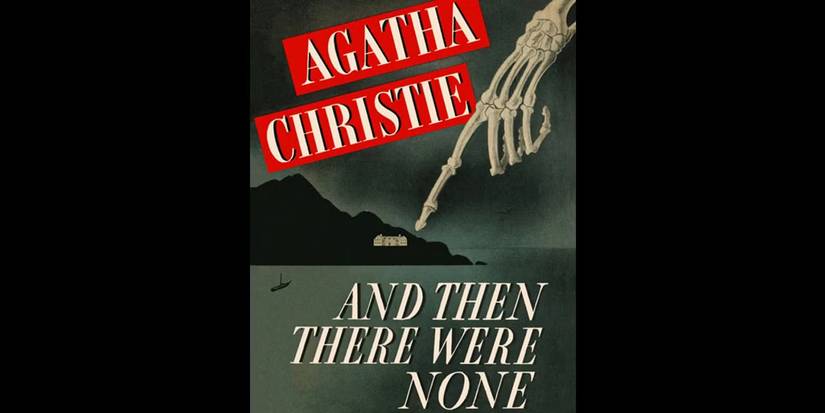
Agatha Christie's And Then There Were None brings eight strangers to a remote island off the coast of Devon, where they expect to meet their hosts. Instead, they arrive at an empty house and hear a creepy gramophone recording accusing each of them of getting someone killed. Things get even worse when the guests start dying one by one, following the pattern of a disturbing nursery rhyme.
And Then There Were None feels like playing a sick game where getting the answer wrong could cost you your life. With no way to easily escape and no idea who is behind the murders, the survivors must figure out what connects them before it's too late. The nursery rhyme makes every death feel like part of a plan, leaving the remaining guests to wonder who will be next. With no detective around to solve the case, everyone has to play investigator while wondering whether the person sitting beside them could be the killer.
'The Sympathizer' (2015)
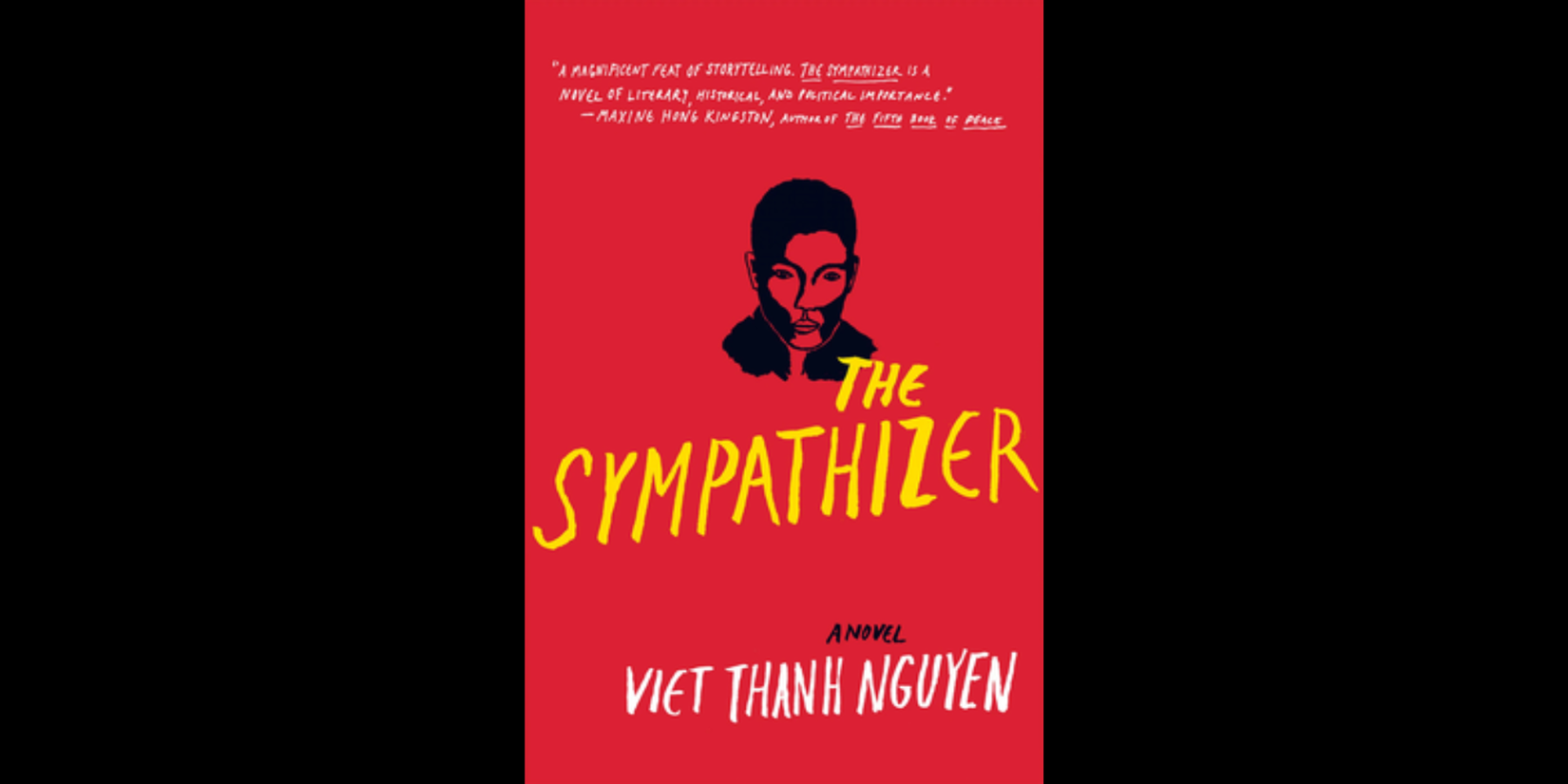
America has a habit of stealing the spotlight when it comes to war stories. Viet Thanh Nguyen's The Sympathizer reclaims that narrative by exploring the Vietnam War through the eyes of someone who is both an aggressor and a victim, and who has spent his entire life in Vietnam. The novel follows an unnamed communist spy of Vietnamese and French descent who finds himself caught between two sides of the conflict. When Saigon falls, he is forced to flee to Los Angeles, hoping to find safety far from home.
But war never truly leaves you, even when you escape halfway across the world. The consequences of colonialism follow the protagonist, a man born to a French father and a Vietnamese mother, wherever he goes. Despite being a spy himself, he is constantly accused of treason by both sides. His double life grants him certain privileges and opportunities for upward mobility, but it also makes him a target. As enemies close in and suspicion grows, he is never entirely sure who he can trust, keeping both him and readers constantly looking over their shoulders.
'Gone Girl' (2012)
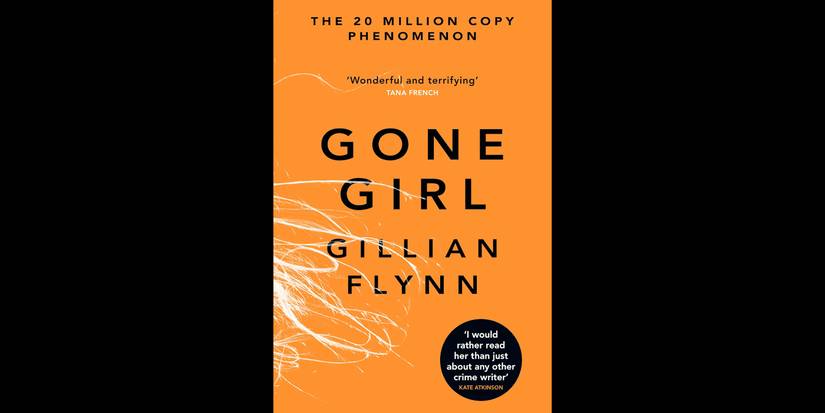
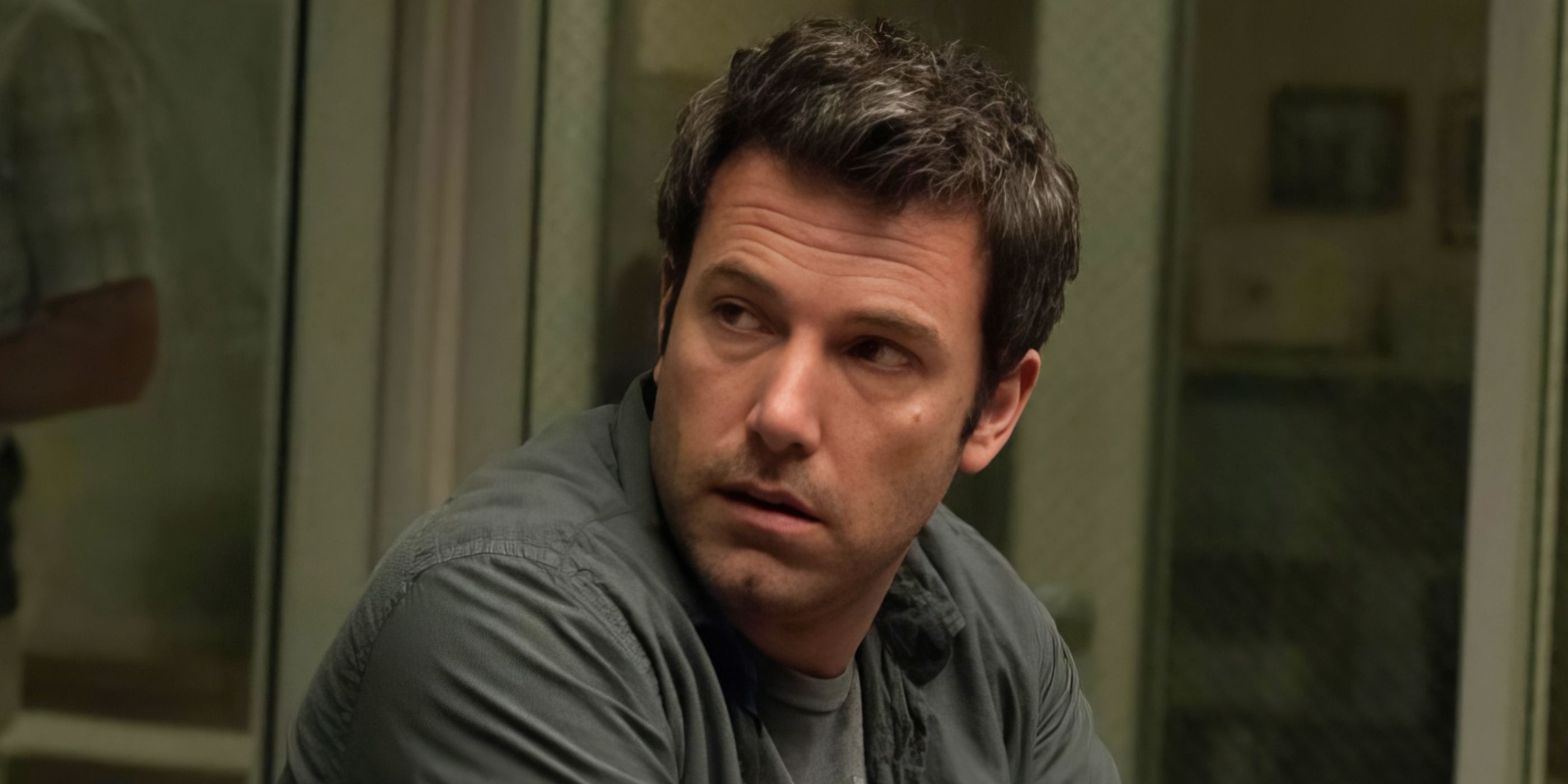
Not a film sensation, Gillian Flynn's Gone Girl follows Nick Dunne, whose life takes a disturbing turn when his wife, Amy, vanishes on their fifth wedding anniversary. After discovering signs of a struggle at home, Nick becomes the prime suspect in a case that quickly attracts intense media attention. Through Nick's present-day experiences and Amy's diary entries, their seemingly perfect life begins to crumble.
There's a twisted sense of fun in watching a marriage burn into flames, especially when the two parties are the ones sabotaging each other with the most debauched secrets. Flynn keeps readers guessing with unexpected twists that constantly change how they view Nick and Amy. Neither spouse fits neatly into the role of an innocent victim, and their increasingly disturbing actions make their relationship fascinating to follow. Beneath the scandal and suspense, the novel also explores how resentment and difficult circumstances can turn an ordinary marriage into something far more sinister. Suddenly, even the smallest arguments feel unsettling.
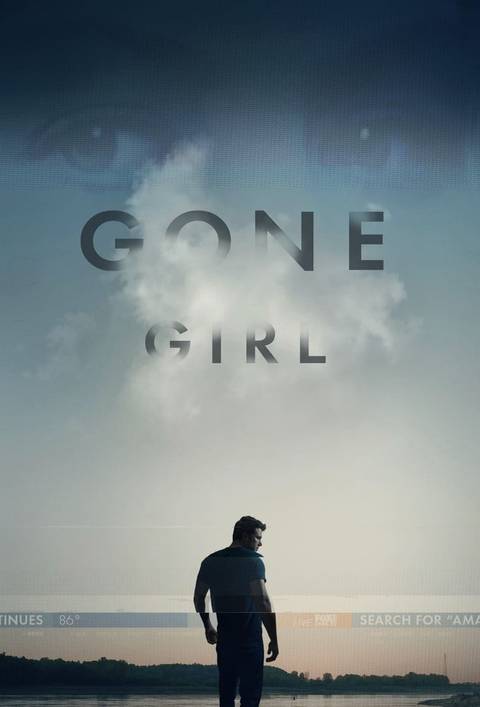
Gone Girl
- Release Date
- October 3, 2014
- Runtime
- 149 minutes
- Director
- David Fincher
- Writers
- Gillian Flynn
-

Nick Dunne
-

Amy Dunne
- Producers
- Arnon Milchan, Ceán Chaffin, Joshua Donen
- Main Genre
- Thriller
- Budget
- $61 million
- Studio(s)
- 20th Century
- Distributor(s)
- 20th Century
- Executive Producer(s)
- Bruna Papandrea, Leslie Dixon
KioskNews shows a cleaned-up reading view extracted from the publisher’s page — the original always lives on their site, not ours.