Tukaram Mundhe at Idea Exchange: ‘Rules and regulations exist. We need an executive instrument to take them to stakeholders and implement them’
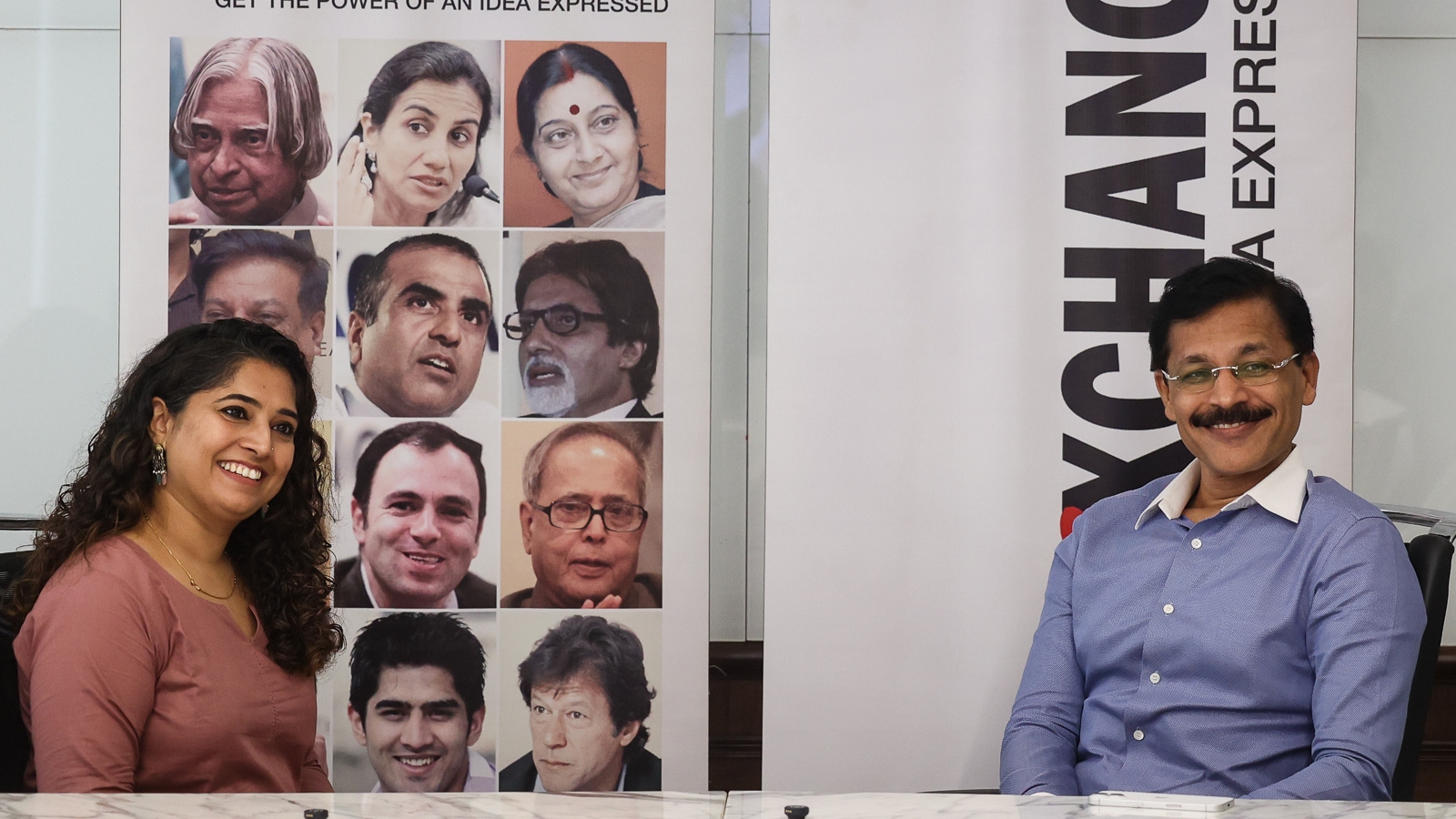
Maharashtra FDA Commissioner Tukaram Mundhe on transforming food safety enforcement, putting public health above commercial interests, and making regulators and food businesses accountable. The conversation was moderated by Heena Khandelwal, Assistant Editor, The Indian Express.
Heena Khandelwal: In May this year, when you learned that you would head this department, what did you think of the role and its objectives?
I had no particular thoughts at that point. As usual, when I get a post, I think about the role expected of that post. I try to understand it through reading, talking to officers and whatever informal inputs I get. I did the same here. I had not realised there would be so much to do. I knew it was food and drug administration, but the full gamut that unfolded once I joined was quite large, and then we started working on it.
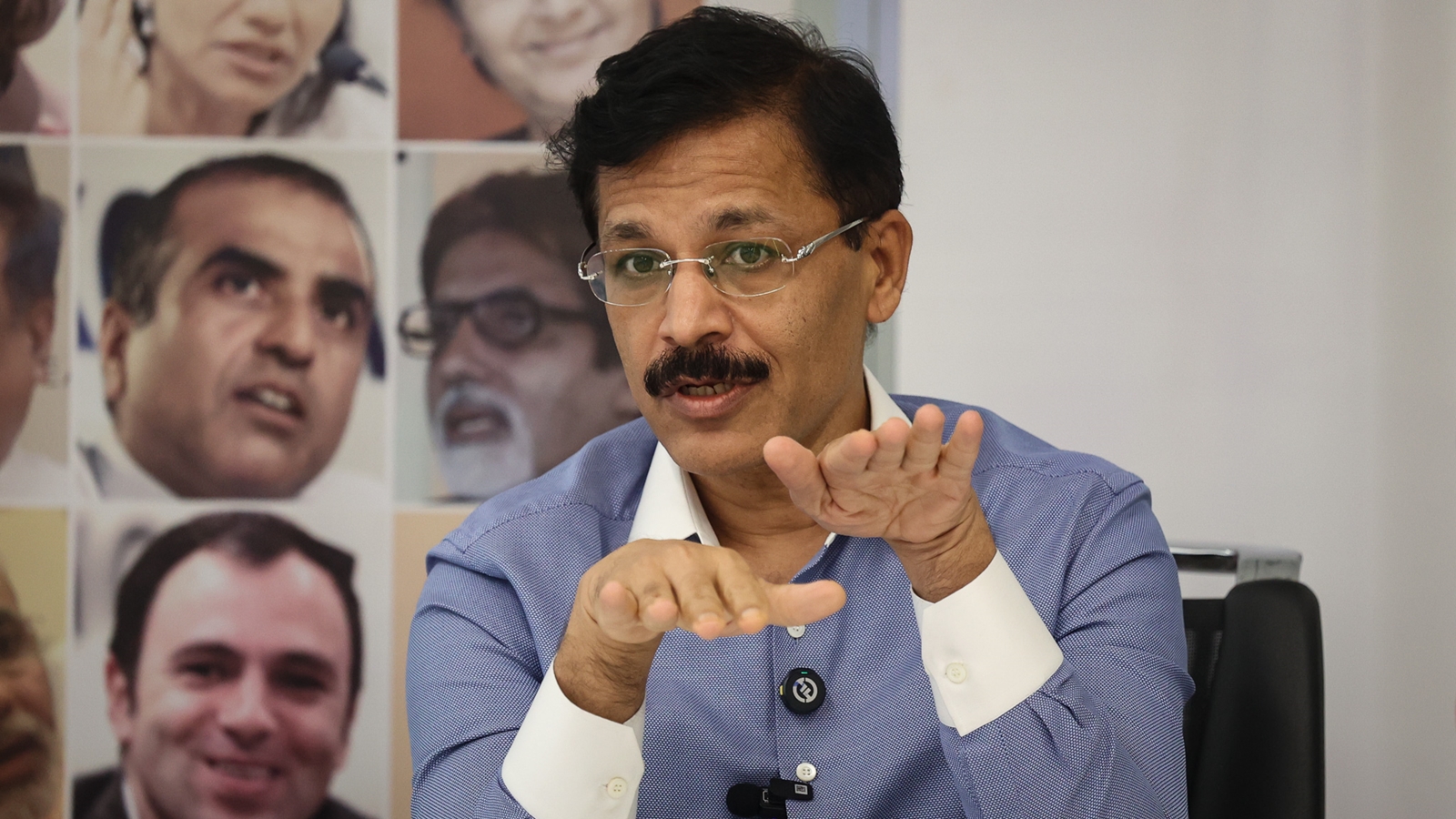 Tukaram Mundhe, Commissioner of Food and Drug Administration of Maharashtra. (Express Photo by Amit Chakravarty)
Heena Khandelwal: You are being celebrated as a national hero.
I am neither a hero nor a national hero. I am a public servant and expect public scrutiny. Food and drugs touch everyone’s life, so there would be discussion. But once I joined, I realised that a transformational approach was needed. Before 2011, the sector focused on preventing adulteration. The new Act shifted the emphasis to food standards and safety, but the gap between regulations and ground reality remains large. While regulations have evolved, the culture of regulation and enforcement has not kept pace. Earlier, around a dozen Acts and various orders governed the food sector, often leading to inconsistent interpretations. The new Act brought these together under one framework. The challenge now is implementation: food businesses must move beyond a narrow focus on adulteration, while regulators must shift from the role of inspectors to that of food safety officers. This is a change in governance, not merely nomenclature, and takes time. Systems such as online licensing and inspections are in place, and we have adopted a mission-mode approach. Our vision is clear: better public health through safe food and drugs. Our “E3” strategy rests on empowering people, enabling businesses and enforcing the law.
In public service, enforcement will always invite debate. If you don’t act, people question you; if you do, they question you too.

Ritika Chopra: BMC Commissioner Ashwini Bhide appreciated your working style. Civil servants are trained to work behind the scenes and it is the political masters who are the face of success or failure. But your image is diametrically opposite.
Story continues below this ad
Absolutely. But here, the face is public, food and drugs, not Tukaram Mundhe. We cannot achieve public health in a vacuum, without telling people what is affecting their health, what are we consuming and what we should be consuming. Awareness and sensitisation among people and stakeholders are essential. In the last two to three months, the FDA (Food and Drug Administration) has introduced a sector-specific compliance order: first on prohibited items, then hotels, restaurants and eateries, milk and milk products, loose oil, balanced diets in schools, and so on. I have not created a new law. The laws, rules and regulations exist. We need an executive instrument to take them to stakeholders and implement them.
Take the festival order. I anticipated criticism: why this festival and not another, are you authorised, are you going overboard, why touch our festivals? The order applies to all festivals throughout the year across Maharashtra and is religion and culture-neutral. It concerns food safety, not festivals. During Ganpati, we seized about 50 tonnes of substandard or unsafe food. We publicise such action with photographs, videos and evidence to raise awareness. The purpose is not to paint anyone black or white, but to help people understand what they are consuming. I’m not touching your festivals. I’m dealing with food, which is my jurisdiction.
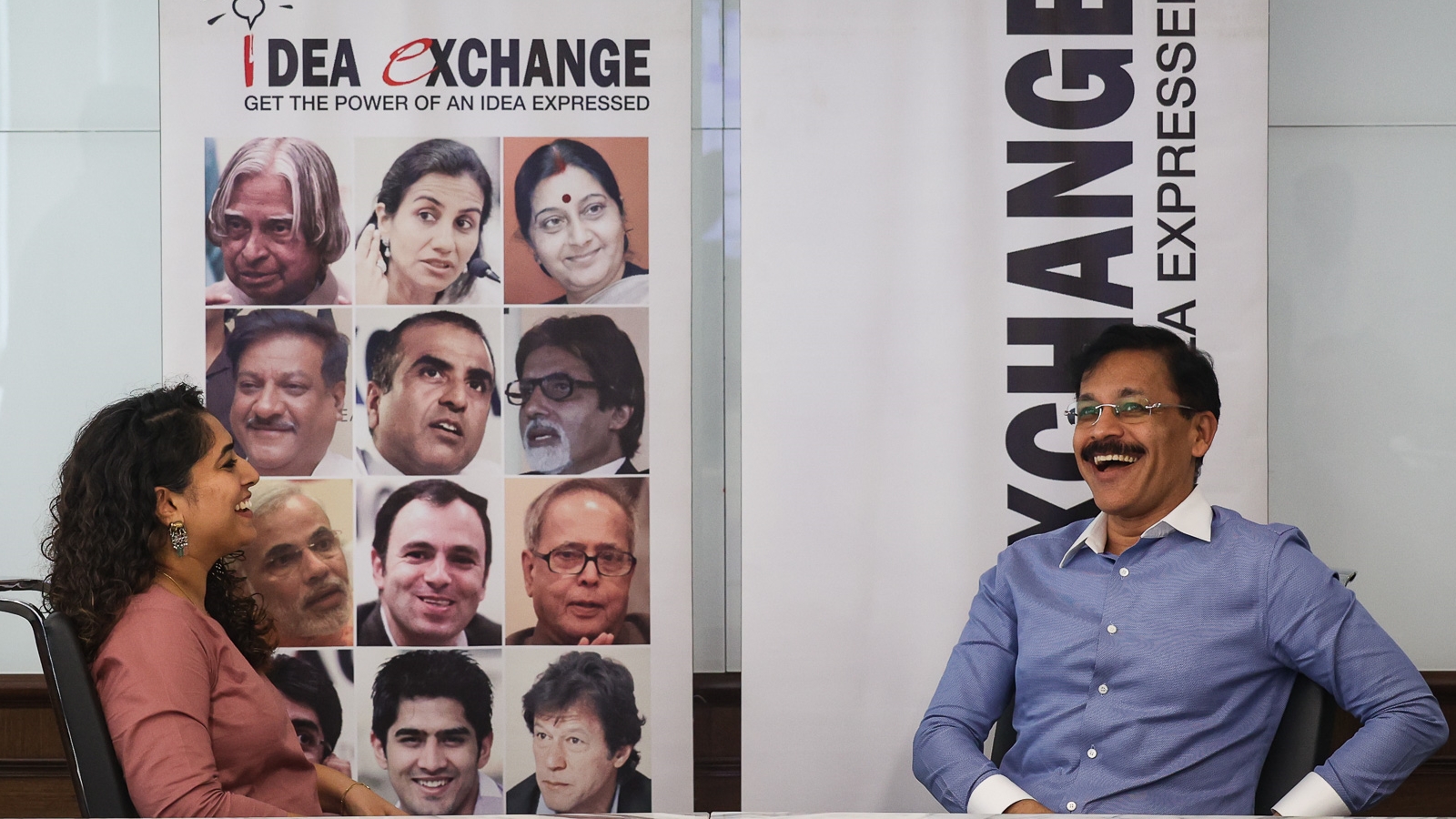 Tukaram Mundhe, Commissioner of Food and Drug Administration of Maharashtra (right) in conversation with Heena Khandelwal, Assistant Editor, The Indian Express (Photo by Amit Chakravarty)
Mohamed Thaver: The law existed since 2011 but was never really enforced. Ideally, a system should be robust enough not to depend on who is in charge. Doesn’t it reflect badly on existing systems when one officer can make such impact?
I don’t believe this shows earlier officers as bad. Transforming a system from prevention to a 360-degree change, where safety and standards become the norm, takes time. Compared with other countries, we came to this quite late. But were other states ahead of Maharashtra? I believe not. We have been at the forefront, among the first to appoint food safety officers and the first to have a Commissioner of Food and Drug Administration, a post created in 1970, when food came under its purview. We have among India’s highest numbers of registered food businesses, second after UP, I think. The system existed, but I am now working in mission mode. Not everyone does that all the time.
Story continues below this ad
When the 2006 Act was framed, e-commerce, cloud kitchens and dark stores did not exist. Do they need regulation? Obviously. We are discussing this, and I have suggested areas requiring better regulation to FSSAI, which must frame the rules. Milk production and demand have also changed since 2006. As times and needs change, regulations and governance must evolve.
Alok Deshpande: Beyond the actions you have taken, what fundamental changes or infrastructure additions does the FDA need to regulate 13 lakh-plus establishments?
Three changes are essential. First, staffing must match the number of establishments. A parliamentary committee recommended one food safety officer (FSO) per rural block and one per 1,000 urban food businesses. By that calculation, we needed 850 FSOs when I joined, against a sanctioned strength of 350, besides proportionate designated officers and other staff. Second, we need more laboratory capacity. We have three drug and three food labs, with four more under construction. Vision 2047 envisages a food lab in every district. We are also exploring strengthening existing public health and food labs rather than building parallel facilities. Third is technology. We have prepared a road map for an end-to-end food and drug portal, designed to match the US FDA’s system. The architecture is ready, and the detailed project report has been submitted to the government. The US FDA and Japanese drug administration have also visited for discussions on practices and collaboration.
 Tukaram Mundhe, Commissioner of Food and Drug Administration of Maharashtra. (Express Photo by Amit Chakravarty)
Heena Khandelwal: Inspections are taking place every day in big numbers, and all those samples are to reach the labs. What is the lab capacity and what is the backlog? You also introduced a two-shift system.
Story continues below this ad
From June to August, we picked almost 37,000 food and drug samples, of which 32,000 have been tested, leaving a backlog of around 5,000, or a few days’ work. Our target is 14 days for food reports and 60 days for drugs. Turnaround times have decreased, results are faster, and follow-up action is being taken. We achieved this through scientific manpower management, resource mapping and batch testing, without new equipment or manpower. If we need three shifts, we will go for three, depending on requirements, while adhering to working-hour limits. We are also using technology, with high-end equipment being procured to automate data capture. So it is not only enforcement; systemic work is happening simultaneously. With four more labs, I envision handling around 3 lakh samples annually within two years.
Heena Khandelwal: The restaurant industry argues that inspections should allow them to continue operating while addressing violations, and not face immediate suspension. Also, are you taking any action against hawkers?
We are taking action against hawkers. I don’t have the exact number, but we have taken action. On why suspension and not an improvement notice, we are implementing Indian law, the Food Safety and Standards Act, 2006, under FSSAI. Whether the law allows for suspension is the question before the court. It is very clearly written. So first, the law provides for it. Second, who has to do it? The designated officer is doing it. Third, when can it be used? The section itself says that whenever the designated officer believes there is a danger to public health, he or she can order forthwith suspension. Have we gone beyond that line? No. In each case where a licence was suspended, the order records the reasoning on how public health would be affected.
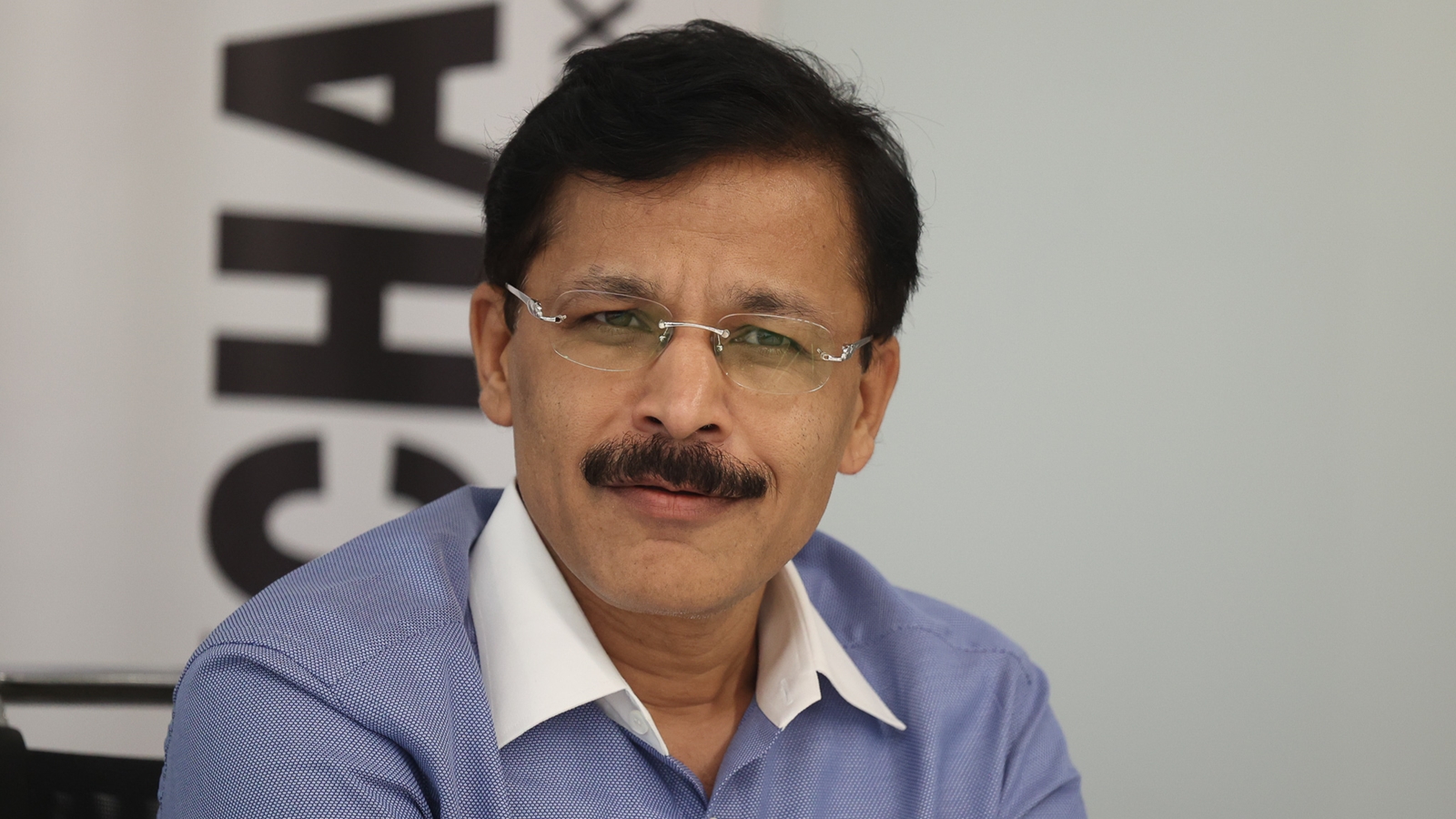 Tukaram Mundhe, Commissioner of Food and Drug Administration of Maharashtra. (Express Photo by Amit Chakravarty)
Mohamed Thaver: In criminal law, there are laws and then there is the implementation. You may not be breaking any law, but what about a humane approach or warnings?
Story continues below this ad
What is humane? Unsafe food has a clear, exhaustive definition. It is not something I interpret. If unsafe food is found, what is humane: saving the many people who are paying to consume it, or letting the restaurant continue serving unsafe food?
Omkar Gokhale: In the Goras Bhandar sweet-shop case, the Nagpur Bench ordered the closure of a century-old shop, even though the High Court noted that only the contaminated buttermilk needed to be discarded. How do we prevent such disproportionate action?
Go to Goras Bhandar today. Go and check whether they are meeting Schedule 4 of the Act. They are manufacturers of milk products; Schedule 4 says that the manufacturing area should have tiles on the floors and the walls and should be washable. If you look at the picture taken on the day of inspection, there are no tiles even on the ground; it is soil. That’s non-negotiable as per the Act, not as per Tukaram Mundhe. Now, when it comes to buttermilk, industrial ice was used, which is not for consumer purposes. Plastic was found in buttermilk. Ghee didn’t have a manufacturing date or expiry date. What do you call this? Violation or not? Because you are a 100-year-old establishment, you have more responsibility.
Ritika Chopra: When you started, you had a certain idea of how to proceed. Based on the last four months, have you made any changes to the process?
Story continues below this ad
I have expedited it. We need to work in a much larger context and with much larger numbers. Many areas are still untouched, and we are working on them with an end-to-end approach. For example, after the balanced diet order for schools, we followed with infant food, which will be followed by a nutraceuticals order, which covers the younger generation. This way the complete picture is available to people, to food business operators and licensees, and it is clear to my officers how to proceed. So the impact is larger and better.
Khushi Sinha: When you are not the officer in the room, what kind of consumer are you? Someone who questions everything or someone who simply trusts the system?
I question everything and do not trust even myself unconditionally. Has coming to the FDA made a difference? Yes, because I know many things I didn’t earlier. I am now more vigilant about the food we eat and buy. I also show videos to my children, and they have stopped eating some things they used to. I always checked my fridge but that habit has increased. The belief that everything kept in a fridge is safe is an absolute myth. We need to be much better informed.
Sunanda Mehta: Pune has had the highest number of complaints since the portal was launched. Does this indicate poor food quality or greater awareness among citizens?
Story continues below this ad
Pune has a culture of raising issues, and when a tool is available, people use it better. The portal, complaints.mahafda.in, allows anyone to register their mobile number and file a complaint. It uses AI, designed by us, to categorise complaints by risk and filter out false or incomplete ones at the initial stage. Of around 11,000 complaints received, almost 3,000 were rejected, saving officers an estimated 1,500 hours. Complaints are automatically assigned to officers, who have 48 hours to open them. If they don’t, the matter is escalated and a show-cause notice issued. So far, almost 2,700 complaints have been escalated, building in accountability. There are also deadlines for resolution, with unresolved complaints moving from the Assistant Commissioner to the regional Joint Commissioner and then headquarters. I can track everything, from receipt and inspection to the response. Almost 70 per cent of complaints have been resolved. It is a transparent system in which complainants can track the status.
Vallabh Ozarkar: What action is the FDA taking against gutka, pan masala and tobacco, given the large syndicates involved?
These prohibited articles have been there in Maharashtra, with a fresh prohibition every year covering manufacturing, transportation, sale and storage. Manufacturing is absent in Maharashtra, while storage happens through a hide-and-seek manner. In the last three months, more than 600 FIRs have been filed and around 800 people arrested. The difference this time is that we are not just filing FIRs against sellers. We are naming transport owners, not just drivers, and including company names and board members when a brand is involved. We are using food safety and BNS clauses and investigating organised networks. Unless it is prohibited across India, it will not stop completely. I have recommended a national-level prohibition to every state.
Alok Deshpande: Are you going to appeal to the actors who are advertising these substances?
Story continues below this ad
By law, they cannot do it. So, there is no question of appealing at all. They should lead by example.
Nayonika Bose: Have any of your favourite eateries or those of your family come under the scanner?
I don’t have any favourite eateries outside my home. As for the family, they have.
Nayonika Bose: Have they told you not to (take action)?
So in matters of conflict of interest, I always take the side of public interest.
Pallavi Smart: A lot of times, questions are raised on the quality of the raw material in midday meals. How do you plan to deal with that?
When the tender is floated by the government, it is as per the terms that this much calorie and protein has to be there. So the vendor cannot take the plea that we were not told. We are checking the samples and taking action against them if any issues are found. We are checking its calorific value, protein value and checking for macro and micro nutrients. If it is not as per the prescribed norms, there will be action against them.
Pallavi Smart: Have you approached the education department?
Not yet but in some forum we have decided. We are working on it.
Sabah Virani: Could you talk about your work on drugs and medicines.
More than 1,000 licences have been suspended. In the drug sector, we suspend either the licence of the product or the company or both. We have suspended the licence of blood centres. We have suspended the licence of ayurvedic manufacturers, allopathic manufacturers, pharmacies, cosmetics. More than 12 crore have been raised. A lot many actions have taken place. Obviously the dominant factor has been food because there’s a lot of attention by everybody on the food but we are taking action on drugs equally. It is not neglected.
Heena Khandelwal: What do you want your legacy to be?
I don’t work for legacy. But I want the industry to provide safe, standard food. It should be open and transparent so that they don’t compromise the health of the people. Ultimately, I would like to see a situation where regulators don’t need to take action because everyone complies with the rules.
KioskNews shows a cleaned-up reading view extracted from the publisher’s page — the original always lives on their site, not ours.