Why Ombudsman Remulla thinks it’s important for SC to reverse ‘main plunderer’ doctrine
Already have Rappler+?
to listen to groundbreaking journalism.
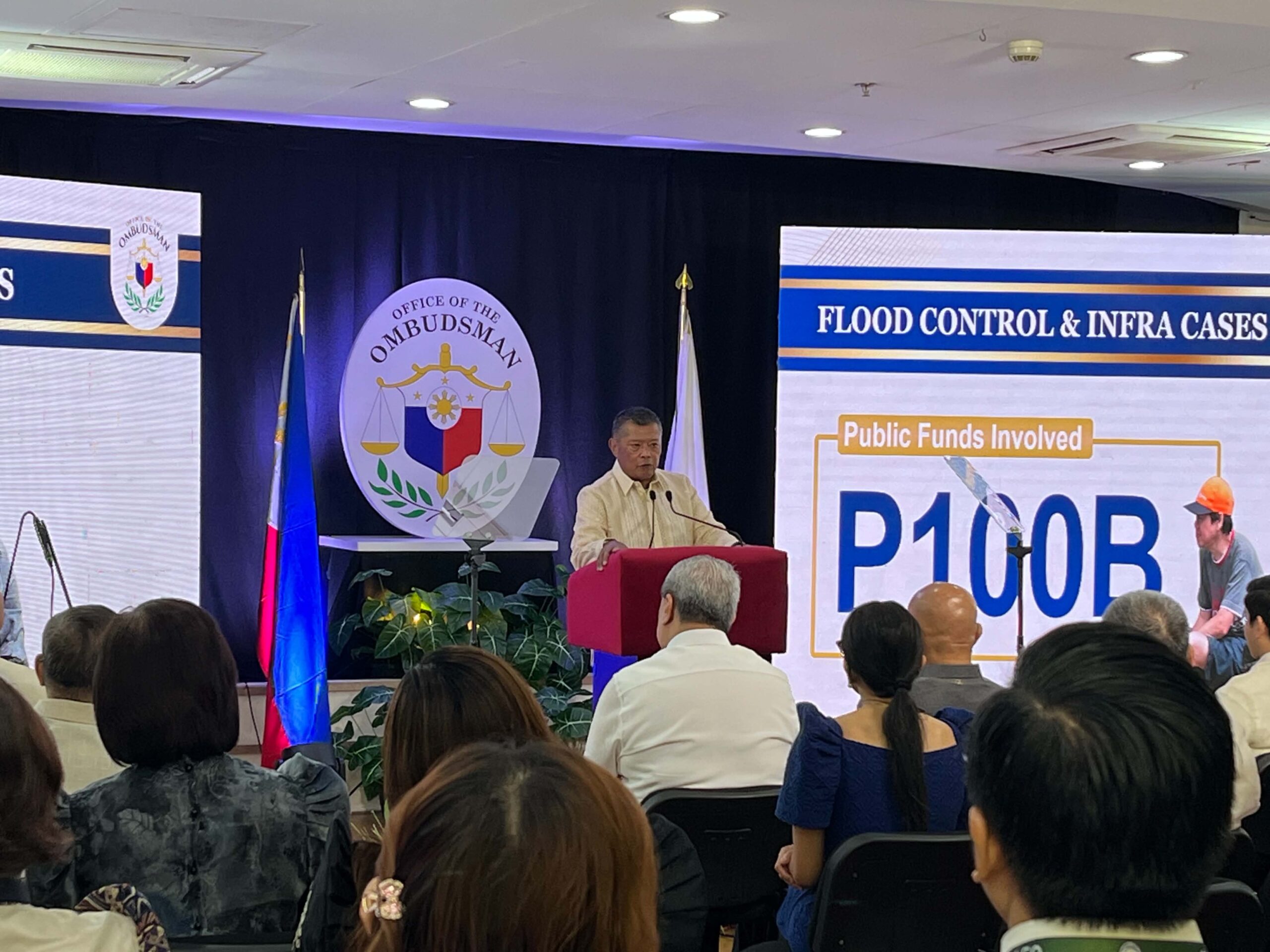
ANNUAL REPORT. Ombudsman Jesus Crispin Remulla delivers his first annual address as the country's top anti-graft buster on October 12, 2026.
Jelo Ritzhie Mantaring/Rappler
Under the doctrine, the prosecution must name a 'main plunderer' and prove that the accused personally received or benefited from the stolen money. Remulla’s interpretation of that: 'The smarter the thief, the safer he is.'
AT A GLANCE
- Jesus Crispin Remulla marked his first anniversary as Ombudsman by criticizing the 'main plunderer' doctrine, which he believes hinders accountability in corruption cases.
- The doctrine, established by a 2016 Supreme Court ruling, requires prosecutors to identify a 'main plunderer' and prove personal benefit from the stolen funds, complicating the prosecution of large-scale corruption.
- Remulla has filed 39 flood control corruption cases and calls for a reevaluation of the doctrine, emphasizing the need for judicial independence and legislative action to address the issue.
This is AI-generated. Read the article for full context. Report any errors.
It’s already a year since Jesus Crispin “Boying” Remulla was transferred from the helm of the Department of Justice to the Office of the Ombudsman, taking the responsibility of filing cases over the flood control corruption.
But in marking his first anniversary as the Ombudsman, Remulla on Monday, October 12, could not help but criticize the “main plunderer” doctrine, which emerged from a Supreme Court ruling in 2016.
For him, that doctrine “stands in the way” of accountability and ultimately securing convictions.

Strong words from Remulla’s address: “Ang batas laban sa pandarambong ay ginawa para panagutin ang mga nagnanakaw ng bilyon-bilyon. Pero, sa doktrinang ito, ang pinakamalaking sindikato ang pinakamahirap mahuli.
“Hindi po iyan hustisya. Pananggalang po iyan.”
(The law against plunder was legislated to hold accountable those who steal billions. But with this doctrine, the biggest syndicate is the hardest to catch. That’s not justice, that’s a shield.)
The “main plunderer” doctrine emerged from former president Gloria Macapagal-Arroyo’s SC case involving her alleged misuse of P366 million in confidential and intelligence funds of the Philippine Charity Sweepstakes Office. In 2012, then-ombudsman Conchita Carpio-Morales charged Arroyo with plunder.
The 2016 SC decision, penned by then-justice Lucas Bersamin, acquitted Arroyo and granted her release. (Bersamin became President Ferdinand Marcos Jr.’s executive secretary, resigning
Remulla said that the SC ruling read into the Republic Act No. 7080 or the Anti-Plunder Act two requirements “that Congress never wrote.”
The prosecution must name a “main plunderer” and prove that the accused personally received or benefited from the stolen money.
Remulla’s interpretation of that: “The smarter the thief, the safer he is.”
“Pass the money through enough dummies, middlemen, and shell companies, and no one can be shown to have touched it,” he said. He noted that such a scheme is present in the flood control controversy.
Remulla’s remark came after he reported that 39 flood control cases have been filed with the anti-graft court Sandiganbayan and regional courts.
And since the Office of the Ombudsman already accomplished the “hardest part” of building cases, the next chapter lies with the courts, which they expect to be “impartial, independent, and attuned to the times.”
Remulla has repeatedly mentioned the hurdle set by the “main plunderer” doctrine.
In 2016, four justices dissented with the SC ruling to acquit Arroyo, including the introduction of two additional elements in the prosecution of plunder. For them, it was a “dangerous precedent.”
Among the dissenters, Justice Marvic Leonen wrote back then: “In doing so, this Court sets itself upon the course of encroaching on Congress’ plenary power to make laws. It also denies the State the opportunity to adequately present its case. Likewise, it unwittingly licenses the most cunning plunderers to prey upon public funds with impunity. This is not what the Anti-Plunder Law intends.”
“Kaya sinasabi ko ito nang may buong paggalang sa Kataastaasang Hukuman: panahon na para balikan ang doktrinang ito. It is time to revisit it,” Remulla said in his first annual address.
(I say this with full respect to the High Court: It’s time to revisit this doctrine.)
For now, the High Court can only act when a case comes to their table.
Lawmakers can also pass legislation that would effectively abolish the doctrine. (But do we actually expect them to make such a move?)
What’s certain for now is the Ombudsman is trying to send signals to the country’s judiciary. Are these signals being received? – Rappler.com
KioskNews shows a cleaned-up reading view extracted from the publisher’s page — the original always lives on their site, not ours.