No Written Order, Says J&K Waqf Chief, As Sermon Directive Faces Backlash
The Jammu and Kashmir Waqf Board has come under criticism from regional parties and Imams over a reported move to bring uniformity to Friday sermons.
The controversy began after an online meeting convened by the Waqf Board on Sunday with Imams and Khateebs, where verbal instructions were reportedly issued to deliver uniform sermons in mosques under its control.
The directive has drawn a sharp backlash from political and religious circles.
Chief Minister of Jammu and Kashmir Omar Abdullah called it unacceptable interference in the religious matters of Muslims.
"This is a direct attempt by the BJP to interfere in the religious affairs of Muslims and is completely unacceptable. The BJP-appointed Chairperson should immediately stop this misplaced exercise to please her political masters," Abdullah said.
READ | J&K Assembly Passes Statehood Resolution Amid BJP Walkout
People's Democratic Party (PDP) President Mehbooba Mufti, the J&K Peoples Conference and the Awami Ittehad Party also criticised the move, calling it an assault on religious freedom.
Senior National Conference leader Bashir Ahmad called the development unfortunate and said the Board should not meddle in religious matters.
Imams have also expressed strong resentment. Tariq Hussain Qari, head of the All Imams Association, Jammu, alleged that they were not allowed to raise their concerns during the online meeting.
"We were not even allowed to express our viewpoint. Rather, these instructions were verbally imposed on us," Qari said.
Another cleric, Mohammad Akram, said, "This diktat is not acceptable to us. They cannot dictate terms to us."
Former Waqf Board member Suhel Kazmi also criticised the move, saying religious institutions should not be politicised.
"My suggestion is that people with political leanings should not be allowed to take over the affairs of religious bodies," Kazmi added.
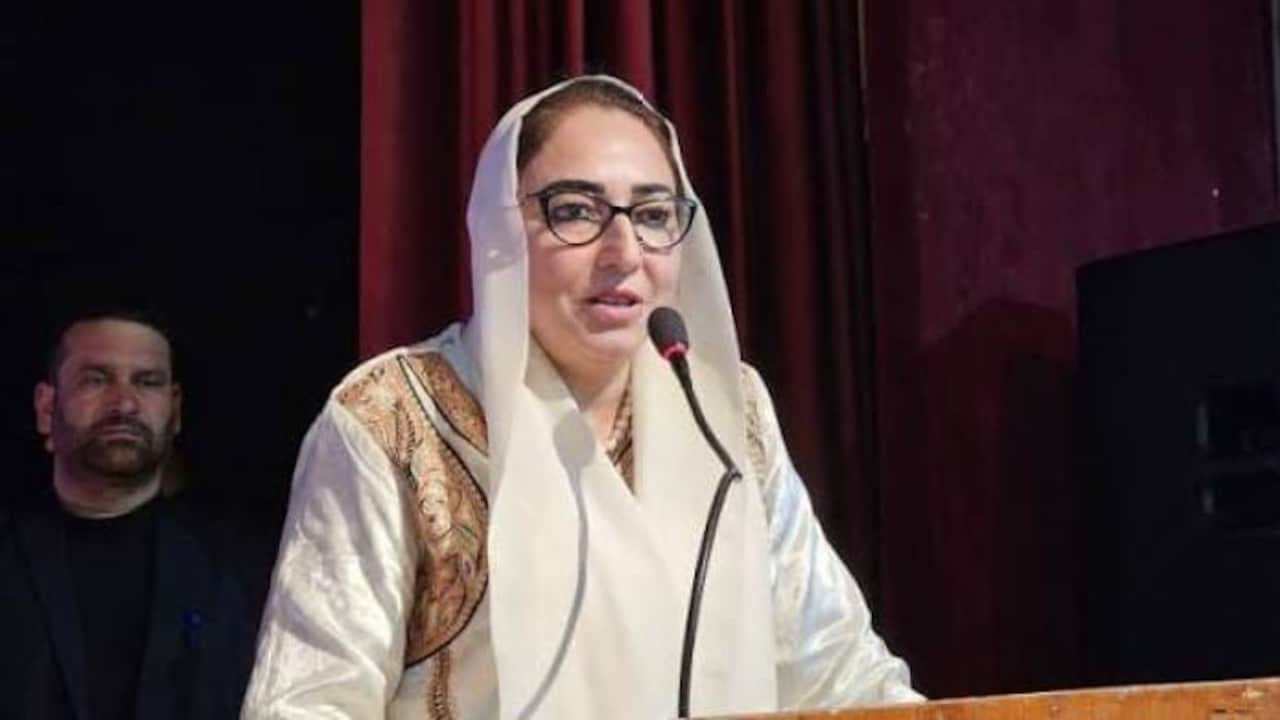
Rejecting allegations that the initiative sought to regulate religious discourse, Board Chairperson Dr Darakhshan Andrabi said there was no order in this regard.
Andrabi said religious scholars had discussed social concerns, including drug abuse and problems faced by young people, and had expressed willingness to address such issues in their sermons.
She said the proposed initiative was meant to tackle social problems and that scholars would decide for themselves what to preach.
Andrabi also denied issuing any written order in this regard.
KioskNews shows a cleaned-up reading view extracted from the publisher’s page — the original always lives on their site, not ours.