High Court Declares 2pc HIMS Fee Deducted from SHA Unconstitutional
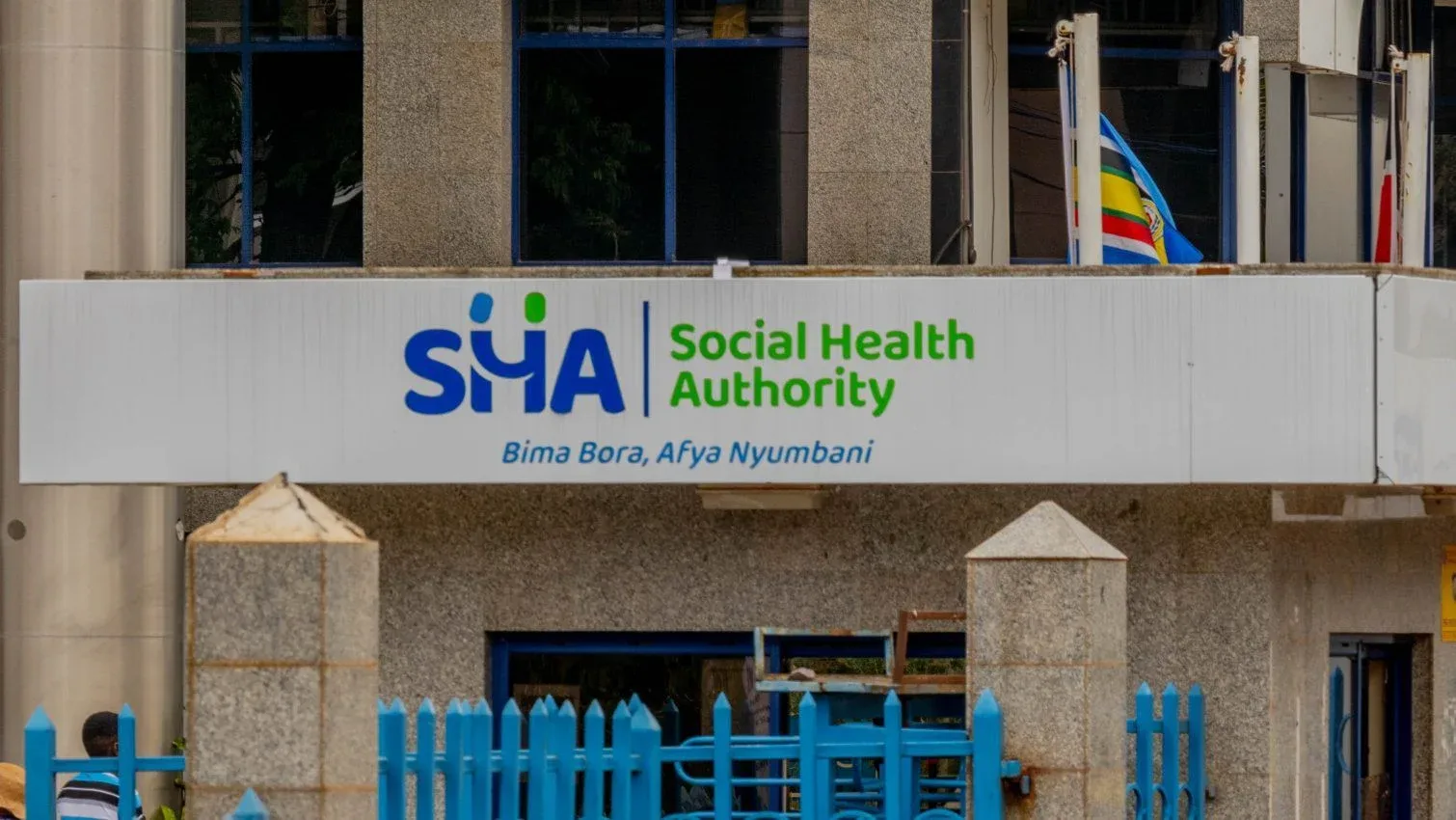
NAIROBI, Kenya, Nov 24 – The High Court has declared the 2 per cent fee deducted from the Social Health Authority (SHA) through the Health Information Management System (HIMS) unconstitutional, giving the government 120 days to address legal shortcomings surrounding the charge.
In a judgment delivered by Justice Reuben Nyakundi, the court ruled that the fee was introduced without adequate public participation, contrary to Articles 10(2)(a) and 201(a) of the Constitution and Section 5 of the Statutory Instruments Act.
The petition was filed by Nakuru-based surgeon Dr Benjamin Gikenyi, who challenged the legality of the charge imposed under the Third Schedule of the Digital Health (Data Exchange Component) Regulations, 2025.
However, the judge suspended the declaration of invalidity for 120 days to allow the government to regularise the fee through the constitutionally required process.
Justice Nyakundi observed that an immediate invalidation could disrupt a funding stream supporting the HIMS platform, which processes approximately 26,000 claims daily, potentially affecting healthcare facilities and patients.
The court directed the regulation-making authority to undertake public participation involving relevant sector stakeholders within the 120-day period.
It further ordered that any proposed fee must be accompanied by a Regulatory Impact Statement explaining the basis for calculating the charge.
The judge questioned how the 2 per cent deduction, capped at Sh5,000, had been determined and whether it was intended to be permanent or subject to periodic review.
The court warned that failure to introduce a lawful fee provision within the stipulated period would result in the existing entry in the regulations lapsing.
Despite declaring the fee unconstitutional, the court declined to order refunds of money already collected through the HIMS system.
Justice Nyakundi noted that the charges had been imposed under a published legal instrument that was presumed valid at the time the collections were made.
The court further observed that the payments had been collected in exchange for services already rendered and that refunding amounts deducted across hundreds of thousands of claims would be disproportionate to the procedural violation.
On accountability, the judge pointed to the Auditor General’s constitutional mandate to audit the Department of Health’s accounts, including revenue collected through the HIMS fee.
The court also noted that personal liability under Article 226(5) of the Constitution would require proof of loss arising from the unlawful use of public funds, which had not been established in the petition.
The High Court also questioned whether the 2 per cent charge had received the necessary Senate concurrence, given that health services are devolved functions under the Fourth Schedule of the Constitution.
It directed relevant State organs to take steps towards fulfilling their constitutional obligations and submit monthly implementation progress reports to the Deputy Registrar of the High Court under the advisory of the Attorney General.
The court declined to issue broader guidelines on government institutions doing business with citizens, saying such policy matters fell outside its judicial mandate.
Separately, Justice Nyakundi ruled that the appointment of private advocates by State institutions and county governments was not purely a private contractual matter, as such engagements carry public-interest implications.
The judge said the process must comply with constitutional principles of fairness, transparency, non-arbitrariness and equal opportunity.
The ruling gives the government 120 days to address the legal and procedural shortcomings surrounding the HIMS fee, failing which the existing provision will lapse.
KioskNews shows a cleaned-up reading view extracted from the publisher’s page — the original always lives on their site, not ours.