Warm California seas reveal about 10 fish species never recorded in state before
(Image Credit: Canva)
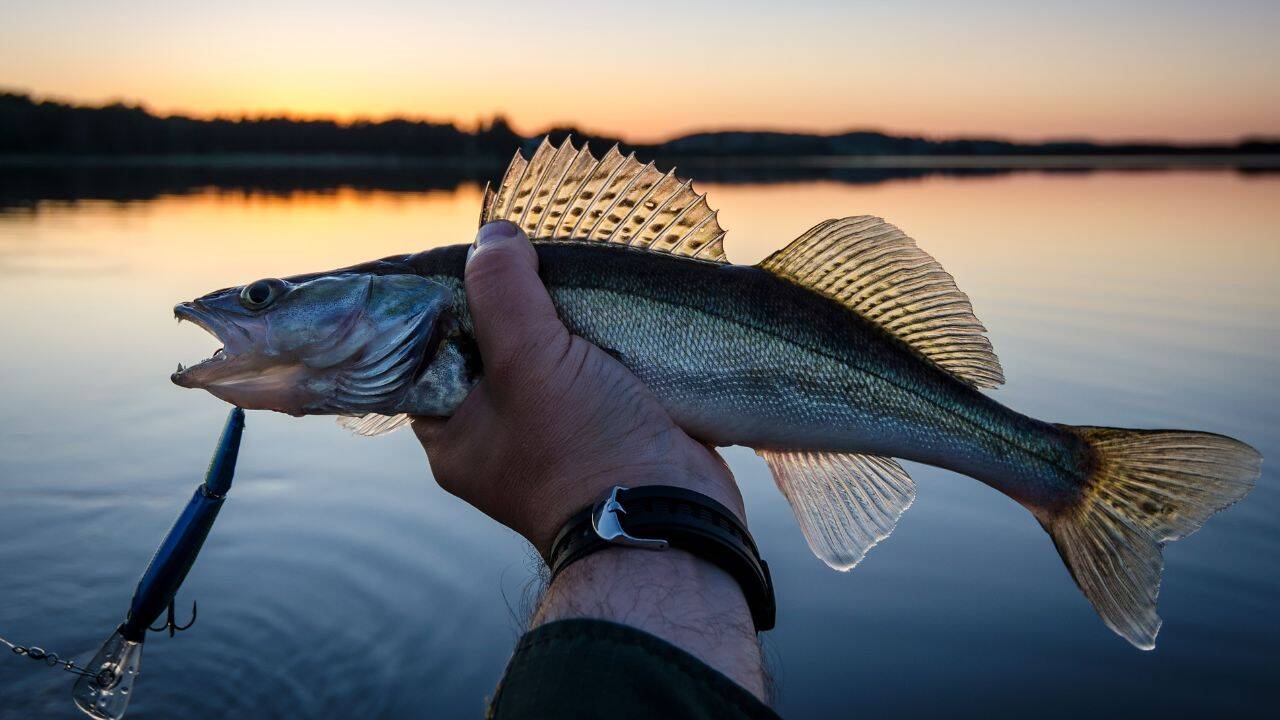
Fishing is an enjoyable hobby for people who live near the coast. Often performed to fetch dinner or simply as a pleasurable community activity, fishing rarely comes with the expectation of catching species uncommon to their surroundings.
In Los Angeles, fishermen were surprised to find marine creatures they had never encountered before. The sightings sparked curiosity about the phenomenon unfolding along California’s Pacific coastline. Unusually warm ocean waters this year are changing the marine neighbourhood, bringing fish species into Californian waters that scientists have never previously documented in the state.Researchers tracking these changes believe that around 10 fish species, never before recorded in California, have appeared in its waters.
Among the unexpected visitors is a rare orange-coloured fish caught from an LA pier and subsequently preserved at a museum for scientific examination. For marine scientists, these discoveries are more than curious fishing stories. They offer a glimpse into how warming oceans can redraw the boundaries of marine life.
When the Pacific starts behaving like a tropical sea
California is famous for its cool Pacific waters, dramatic cliffs, kelp forests and marine wildlife.
But ocean temperatures are behaving differently due to an unusually strong El Niño. It is pushing warmer tropical waters northward, creating conditions that attract marine creatures usually associated with Mexico and other warmer parts of the Pacific.El Niño is a natural climate phenomenon involving changes in ocean temperatures and atmospheric circulation across the tropical Pacific. During these events, the waters off California can become considerably warmer than usual, making the coastline more welcoming to species that would ordinarily remain much farther south.The water temperature recorded near Scripps Pier in La Jolla reached 75°F (about 24°C) on November 3, 2026. That was 11°F above the daily average and the warmest November 3 reading on record at the site. The temperature records there stretch back to 1916.
Meet the unexpected visitors
Among the most exciting discoveries are whale sharks, giant manta rays, wahoo, blue marlin and colourful reef fish. Whale sharks, which are normally associated with warmer waters such as Mexico's Sea of Cortez, have been spotted as far north as Malibu.
Giant manta rays have also been photographed moving northwards, while anglers off San Diego are reporting catches of fish that would usually require a trip towards Baja California.Divers have been equally busy documenting unusual visitors. Star-studded groupers, orange creolefish and three-banded butterflyfish are among the tropical species attracting attention.
(Image Credit: Canva)
Researchers believe approximately 10 fish species have now been identified in California waters for the first time.
One particularly interesting sighting involved a razor surgeonfish spotted swimming beneath Scripps Pier. According to NOAA Fisheries researcher Owyn Snodgrass, the species had never previously been documented in California waters.The discoveries are not based on scientific expeditions alone. Researchers are also examining photographs, fishing reports and sightings shared by scuba divers and coastal residents.
Every unusual photograph could potentially add another entry to California's marine wildlife records.
The little orange fish that made history
Perhaps the most charming discovery came from Venice Fishing Pier in Los Angeles. In August, a local fisherman caught an 11-inch-long, bright orange fish with unusually large eyes. It was identified as a longfin bigeye (Cookeolus japonicus), a nocturnal species generally found much farther south, including waters off Mexico.It was handed over to the Natural History Museum of Los Angeles County, where it is now preserved in alcohol in the museum's ichthyology collection. Its arrival is particularly significant because a physical specimen allows scientists to examine, identify and preserve evidence of a species appearing outside its previously documented range.
Not every visitor will survive the journey
Scientists believe many of the tropical fish arriving in California may struggle when the ocean eventually cools.
Some smaller species have probably travelled north as eggs and larvae, carried by ocean currents, and have only recently grown large enough to be identified. When temperatures return to normal, many may not survive.A few, however, could establish themselves permanently. Researchers point to tropical triggerfish that arrived during the 1983 El Niño and can still be found in California today. With average ocean temperatures continuing to rise, conditions that once seemed unsuitable for tropical fish may gradually become more accommodating.
The consequences could also be serious for California's existing marine residents. Warmer water can weaken the cold-water upwelling that supplies nutrients to kelp forests. These underwater forests are essential habitats for hundreds of species, including rockfish, Dungeness crabs, abalone and sea otters. During the marine heatwave known as The Blob, which coincided with another El Niño, Central California lost more than half of its kelp forests, while Northern California lost even more.
Scientists are concerned that another period of unusually warm water could cause further damage.
KioskNews shows a cleaned-up reading view extracted from the publisher’s page — the original always lives on their site, not ours.