The 10 Best Classic American Movies, Ranked

Michael Block is a 14 time GLAM Award nominated writer, producer, and host of the podcast Block Talk. Throughout his time in the entertainment industry, he has worked on and off Broadway as a stage manager, written several produced plays, critiqued hundreds of theatrical performances, drag and cabaret shows, and has produced events randing from drag competitoons to variety concerts!
On Block Talk, he interviews nightlife personalities, covers the wide world of entertainment through features, ranking episodes, and recaps ALL of Drag Race, as well as Dragula and Survivor. He has interviewed hundreds of RuGirls that span the globe at DragCon NYC, DragCon LA, and DragCon UK.
In his free time, he makes one-of-a-kind jewelry and gift baskets with his mom. He is a proud member of the LGBTQ+ community.
Sign in to your Collider account
Though we love the impact modern movies have had on Hollywood and our lives, there’s simply no denying how profoundly important the classics are in cinema today. As they say, they don’t make them like they used to! While there are literally hundreds of incredible Hollywood classics, we are here to celebrate the greatest classic films of all time.
From career-defining musicals to Westerns that shaped the genre, to the most influential gangster film of all time, the ten titles on this list aren't just good; they're required viewing for any movie lover. For this list, we are going to explore the full spectrum of era, genre, and individuals in front of and behind the camera. Though there are many films that nearly made the list, these ten are simply the best.
10 'The Searchers' (1956)

There are quite a few Westerns that defined the genre, but none quite like The Searchers. The epic Western directed by John Ford tells the story of Ethan Edwards (John Wayne), a Civil War Veteran, who, after his Texas homestead is burned and his family is massacred by Comanche raiders, embarks on a years-long odyssey to find his abducted young niece, Debbie (Natalie Wood). Accompanied by his adopted, part-Cherokee nephew Martin (Jeffrey Hunter), Ethan’s relentless search soon exposes a dark, racist obsession that makes it unclear whether he intends to rescue the girl or kill her for assimilating into the tribe. A masterwork of American cinema, The Searchers subverts the traditional heroic Western to expose the deep, violent contradictions at the heart of the American frontier.
While many Westerns romanticized the Old West, The Searchers embraced its brutal truth. The film strips away the naivety of the classic solitary Western hero, turning Wayne's iconic screen persona into a study of fanaticism and moral rot. Wayne plays Ethan Edwards, a bitter, battle-hardened Civil War veteran driven not by noble rescue, but by intense racial hatred and an obsessive quest for vengeance. Ethan is dangerously unhinged, with the intent to kill the girl herself because she has been "tainted" by living with the Comanche. The film concludes with Ethan delivering his niece home, only to be left standing outside the door as it slowly swings shut, proving he is a man out of touch. It is a chillingly unresolved final image that refuses easy sentimentality. Shot in VistaVision by Winton C. Hoch, the film uses the sweeping, harsh landscapes of Monument Valley as an active, stoic character that dwarfs human ambition. A Western masterpiece, The Searchers is a crucial entry in cinema history.
9 'It's a Wonderful Life' (1946)
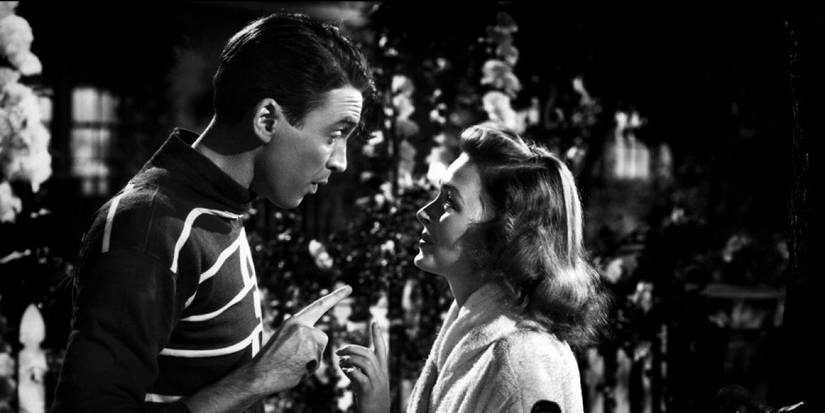
Though it’s easy to consider It’s a Wonderful Life a sentimental Christmas film, it’smuch more than that. Directed by Frank Capra, on Christmas Eve in the small town of Bedford Falls, a compassionate building and loan manager named George Bailey (James Stewart) faces severe financial ruin and contemplates suicide. To save him, a guardian angel, Clarence Odbody (Henry Travers), shows him an alternate reality of how dark and bleak the town would be if he had never been born, helping George realize the vast, positive impact of his life. It’s a Wonderful Life is a cinematic wonder for its blend of dark, deeply human despair with profound emotional redemption and community spirit.
The core of the film's greatness lies in its poignant existential premise. The film delivers a vital truth: every human being on Earth matters. Though it is now celebrated as a warm holiday staple, It's a Wonderful Life is remarkably dark. It deals with financial ruin, suicidal ideation, systemic greed, and the crushing weight of unfulfilled potential. Because Capra and his writers allowed the darkness to feel authentic, the eventual redemptive climax feels earned. What was initially a modest box-office disappointment in 1946 became a yearly ritual for millions of families, cementing its place in cultural history. Not only is it a great classic, but it’s also one of the most inspiring films of all time.
8 'Vertigo' (1958)
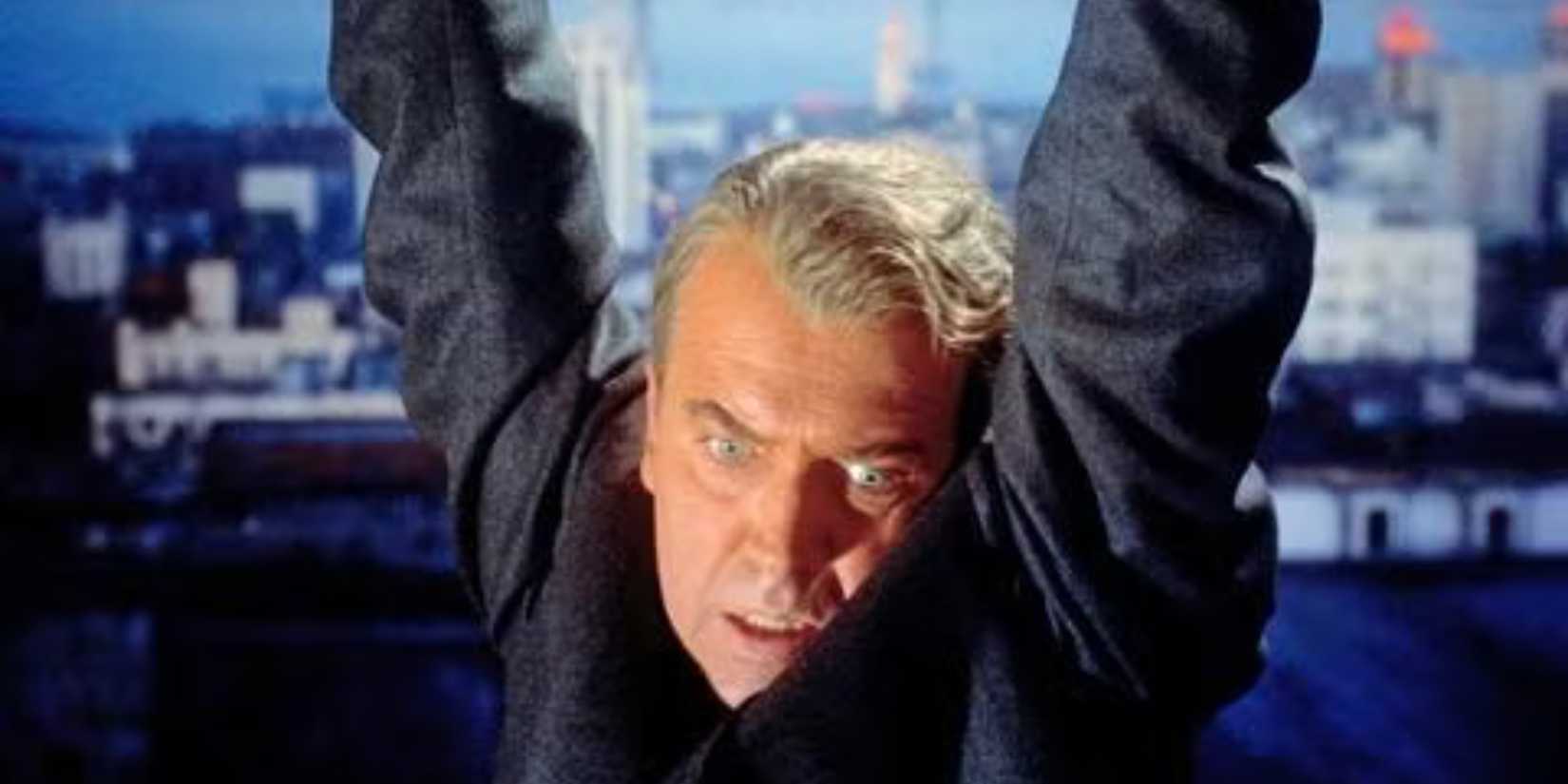
To share the wealth, we’re including only one tribute to Alfred Hitchcock, since many of his masterpieces could have been included. His very best thriller is none other than Vertigo. In this groundbreaking cinematic wonder, retired San Francisco detective John "Scottie" Ferguson (James Stewart) suffers from a paralyzing fear of heights and is hired to shadow acquaintance Gavin Elster’s (Tom Helmore) seemingly possessed wife, Madeleine (Kim Novak). After falling in love with her and failing to prevent her apparent suicide, a grief-stricken Scottie becomes dangerously obsessed with transforming a lookalike woman named Judy into his lost love. Hitchcock’s Vertigo is regarded as a cinematic masterwork for its radical psychological depth, technical innovation, and haunting exploration of romantic obsession.
Vertigo transformed a standard murder-mystery into a deeply psychological study of the male gaze. Stewart plays Scottie as a broken, obsessive man whose romantic fantasy destroys the people around him. Subverting thriller conventions, Hitchcock reveals the truth two-thirds of the way through. This structural shift turns the narrative away from a whodunit and into a dark, uncomfortable examination of control and fetishized obsession. Perhaps the film's greatest contribution is the revolutionary dolly zoom, known as the vertigo shot. Created by zooming the camera lens out while physically moving the camera forward, this optical trick visually warps the perspective to mimic a sickening loss of balance and fear of heights. Through atmospheric mastery, Vertigo emerged as a gold standard for thriller storytelling.
7 'Singin' in the Rain' (1952)

Truly a cornerstone of the Golden Age movie musical, Singin’ in the Rain is simply joyous. Set in 1920s Hollywood during the chaotic transition from silent films to "talkies," Singin' in the Rain follows silent-film star Don Lockwood (Gene Kelly) as the introduction of synchronized sound threatens his career and that of his screechy-voiced co-star, Lina Lamont (Jean Hagen). To salvage their latest movie and turn it into a hit musical, Don and his best friend Cosmo Brown (Donald O’Connor) secretly hire aspiring actress Kathy Selden (Debbie Reynolds), with whom Don falls in love, to dub over Lina's speaking and singing voice. Filled to the brim with iconic musical numbers and smile-inducing scenes, Singin’ in the Rain pairs an insider look at Hollywood’s chaotic transition from silent films to "talkies" with groundbreaking filmmaking and brilliant performances.
A top-tier film of the genre, the film blends sharp satire, peak studio craftsmanship, and transcendent joy into a near-flawless package. Written by Betty Comden and Adolph Green, the script offers a witty, self-deprecating look at 1927 Hollywood during the chaotic, high-stakes monumental shift. Co-directed and choreographed by Kelly and Stanley Donen, the film showcases vibrant Technicolor palettes, inventive camera movements, and seamless storytelling woven directly into song-and-dance. The iconic trio delivers electric physical comedy and warmth. O'Connor’s gravity-defying "Make 'Em Laugh" routine and Kelly’s rain-soaked title number remain two of the most famous sequences ever filmed. Singin’ in the Rain captures a specific moment of Hollywood history, yet remains a timeless classic.
6 'Gone with the Wind' (1939)

A bona fide epic, Gone with the Wind lifts Margaret Mitchell’s classic in glorious fashion. Directed by Victor Fleming, the film follows the turbulent life and romance of Scarlett O'Hara (Vivien Leigh), a strong-willed daughter of a Southern plantation owner. As her way of life crumbles, she fights to protect her family's estate while navigating a complicated love triangle with the married Ashley Wilkes (Leslie Howard) and the roguish profiteer Rhett Butler (Clark Gable). Set against the backdrop of the American Civil War and Reconstruction, Gone with the Wind earns its greatness through landmark production values, powerhouse acting, and a sweeping narrative of survival.
Produced by David O. Selznick, the film was a massive technical undertaking for its era, utilizing full three-strip Technicolor, lavish hand-painted matte backdrops, over 5,000 historical costumes, and a sweeping musical score by Max Steiner. The movie represents the zenith of the classic Hollywood studio system, combining top-tier star power with grand epic storytelling. Both Leigh and Gable provide profoundly perfect performances that became the blueprint for cinematic romance. At the 12th Academy Awards, the film won ten Oscars, including the groundbreaking victory for Hattie McDaniel, who became the first African-American performer to win an Oscar. When adjusted for monetary inflation, Gone with the Wind remains the highest-grossing film in history, having sold over 200 million tickets in theaters during its initial and subsequent theatrical runs. It’s simply a towering classic that defined sweeping storytelling.
COLLIDERInteractive
Ballot sealed
Movies/Academy Awards/Best Picture
Collider · Best Picture
Which Oscar Best Picture
Is Your Perfect Movie?
Five winners · ten questions · one envelope
Five Oscar Best Picture winners. Five completely different visions of what cinema can be and what it can do to you. One of them is the film made for the way your mind works, and ten questions will work out which. The nominees
2020Parasite
2023Everything Everywhere All at Once
2024Oppenheimer
2015Birdman
2008No Country for Old Men
Reel01 / 10
Question 01 of 10TONE
01 What kind of film experience are you really after? The best movies do not just entertain. They leave something behind.
Keys 1 to 5 or A to E · Enter to advance
Reel02 / 10
Question 02 of 10THEME
02 Which idea grabs you most in a film? Great films are driven by a central obsession. What is yours?
Keys 1 to 5 or A to E · Enter to advance
Reel03 / 10
Question 03 of 10STRUCTURE
03 How do you like your story told? Form is content. The way a story is shaped changes what it means.
Keys 1 to 5 or A to E · Enter to advance
Reel04 / 10
Question 04 of 10VILLAIN
04 What makes a truly great antagonist? The opposition defines the protagonist. What kind of opposition fascinates you?
Keys 1 to 5 or A to E · Enter to advance
Reel05 / 10
Question 05 of 10ENDING
05 What do you want from a film's ending? The final note is the one that lingers. What do you want it to sound like?
Keys 1 to 5 or A to E · Enter to advance
Reel06 / 10
Question 06 of 10WORLD
06 Which setting pulls you in most? Where a film takes place shapes everything: mood, stakes, what is even possible.
Keys 1 to 5 or A to E · Enter to advance
Reel07 / 10
Question 07 of 10CRAFT
07 What cinematic craft impresses you most? Every great film has a signature, the element that makes it unmistakable.
Keys 1 to 5 or A to E · Enter to advance
Reel08 / 10
Question 08 of 10PROTAGONIST
08 What kind of main character do you root for? The protagonist is the lens. Who you follow says something about you.
Keys 1 to 5 or A to E · Enter to advance
Reel09 / 10
Question 09 of 10PACE
09 How do you feel about a film that takes its time? Pace is a choice. Some films sprint. Others let tension accumulate slowly, deliberately.
Keys 1 to 5 or A to E · Enter to advance
Reel10 / 10
Question 10 of 10AFTERMATH
10 What do you want to feel walking out of the cinema? The best films leave a mark. What kind of mark do you want?
Keys 1 to 5 or A to E · Enter to advance
The envelope, pleaseAnd the Oscar goes to
★ Best Picture, 2020 Parasite Bong Joon-ho, 2019 A film that hides its true intentions until the moment it is ready to reveal them.
You are drawn to films that operate on several levels at once, that begin in one genre and quietly, brilliantly migrate into another. Bong Joon-ho's Parasite is a film about class, desire and the architecture of inequality that manages to be darkly funny, deeply suspenseful and genuinely shocking across a single extraordinary running time. Your instinct is for cinema that rewards close attention and punishes assumptions, right up to its devastating final image. From the Collider file
- The first film not in the English language to win Best Picture, in the Academy's 92-year history to that point.
- It took four Oscars in one night: Picture, Director, Original Screenplay and International Feature.
- It won the Palme d'Or at Cannes in 2019 by a unanimous jury vote, the first Korean film to do so.
- The Park family's modernist house was not a location. It was built from scratch on an outdoor lot.
Reads between the lines Loves a reveal Attention to detail
★ Best Picture, 2023 Everything Everywhere All at Once Daniel Kwan and Daniel Scheinert, 2022 A film that refuses to choose between being entertaining and being meaningful.
You want it all, and this one gives you all of it. The Daniels' Everything Everywhere All at Once is among the most maximalist films ever made: action comedy, multiverse science fiction, family drama, existential crisis, and an emotional core that sneaks up on you in the middle of the chaos. You respond to ambition. Being overwhelmed is the design, not the side effect, because the feeling of being crushed by infinite possibility is exactly what the film is about. From the Collider file
- Seven Oscars, including three acting wins for Michelle Yeoh, Ke Huy Quan and Jamie Lee Curtis.
- Michelle Yeoh became the first Asian woman to win Best Actress.
- The visual effects were handled by a team of fewer than ten people, most of them self-taught.
- Ke Huy Quan had all but left acting for two decades before this role brought him back.
Wants everything Big swings Soft center
★ Best Picture, 2024 Oppenheimer Christopher Nolan, 2023 A film about the gap between what we can do and what we should do.
You are drawn to cinema on a grand scale, films that treat history not as a backdrop but as a force, then place their characters inside that force and watch what happens. Christopher Nolan's Oppenheimer sits inside one of the most consequential moments in human history and refuses to look away from it. You want your films to feel important without being self-important, earning their ambition through craft and the gravity of the subject. This one is enormous, complicated, and offers no easy comfort. From the Collider file
- Seven Oscars, including Nolan's first wins for directing and for Best Picture.
- Cillian Murphy and Robert Downey Jr. both took their first Academy Awards for it.
- Kodak engineered a black-and-white 65mm stock that did not previously exist so Nolan could shoot those sequences on IMAX.
- A three-hour, R-rated drama about theoretical physics that passed 950 million dollars worldwide.
Thinks in decades Scale and weight No easy comfort
★ Best Picture, 2015 Birdman Alejandro G. Iñárritu, 2014 A film doing something that probably should not be possible.
You are drawn to films that foreground their own construction, where the how of the filmmaking becomes part of the what it is about. Alejandro G. Iñárritu's Birdman, stitched to appear as one continuous take, is cinema examining itself through the cracked mirror of a fading actor's ego. You respond to formal daring. Michael Keaton's performance and Emmanuel Lubezki's restless camera make something unlike anything else: a film about creativity, relevance, self-destruction and never quite knowing whether your work means anything at all. From the Collider file
- Four Oscars, among them Best Picture and Best Director for Iñárritu.
- Emmanuel Lubezki's win here was the middle of three consecutive cinematography Oscars, after Gravity and before The Revenant.
- Antonio Sánchez's improvised drum score was ruled ineligible for the score category, which caused a minor uproar.
- The long-take illusion was built from a handful of extended shots joined by hidden cuts.
Formally daring Camera as character Ego and art
★ Best Picture, 2008 No Country for Old Men Joel and Ethan Coen, 2007 A film that treats dread as a form of meaning.
You are drawn to cinema that trusts silence, refuses to explain itself, and lets unease do the talking. The Coen Brothers' No Country for Old Men is about the arrival of a new kind of evil: implacable, arbitrary, and indifferent to the moral frameworks we use to make sense of things. It is one of the most tightly controlled films ever made, and that control is the source of the terror. You want your films to haunt you rather than comfort you, and you have no interest in a resolution that would be a lie. From the Collider file
- Four Oscars: Picture, Director, Adapted Screenplay, and Supporting Actor for Javier Bardem.
- Adapted from Cormac McCarthy's 2005 novel, with much of his dialogue carried over intact.
- Carter Burwell's score runs about sixteen minutes and is nearly inaudible by design.
- Roger Deakins was nominated twice that year, for this and The Assassination of Jesse James, and won for neither.
Trusts silence Dread over answers No tidy endings
Ballot tally · your top three
1
2
3
Copied to your clipboard
Ballot counted byCOLLIDERCollider.com · The Awards Desk
5 'Casablanca' (1943)
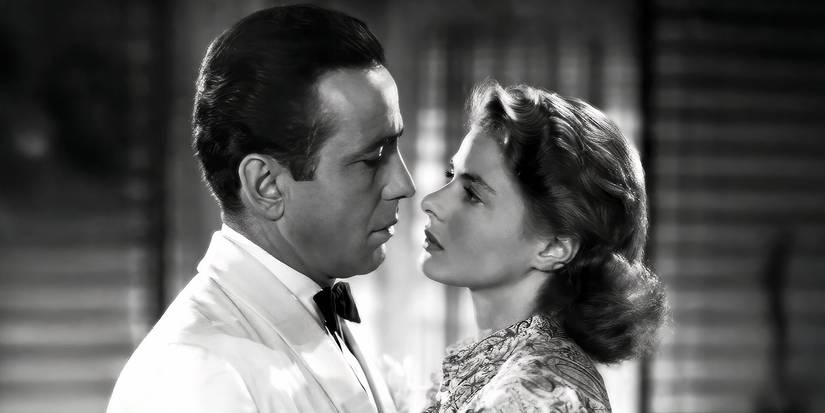
Celebrated as one of the greatest love stories ever made, Casablanca is remarkably brilliant. Directed by Michael Curtiz, the film is set in Vichy-controlled French Morocco during World War II and follows cynical American nightclub owner Rick Blaine (Humphrey Bogart), whose establishment serves as a haven for refugees desperate to obtain exit visas. When his former lover Ilsa Lund (Ingrid Bergman) unexpectedly arrives with her fugitive husband, Victor Laszlo (Paul Henreid), Rick comes into possession of valuable letters of transit and must choose between rekindling his romance or helping them escape the Nazis. Casablanca brilliantly blends a high-stakes wartime political drama with a timeless, heartbreaking love triangle, anchored by iconic performances and a sharply written screenplay.
The evolution of the film’s creation remains one of the most fascinating behind-the-scenes tales. The screenplay was famously written on the fly during production, resulting in a masterclass in narrative economy, sharp wit, and legendary lines like "Here's looking at you, kid" and "Play it, Sam". Curtiz and cinematographer Arthur Edeson used German expressionist-inspired lighting, smoke, and shadows to visually represent a fractured, paranoid world at war. Many of the actors and crew members on set were European refugees and exiles who had actually fled Nazi occupation, imbuing the fictional desperation of Casablanca's transit cafés with real-world grief and urgency. The pairing of Bogart and Bergman is an example of sensational chemistry. They offer great depth and heartbreak to every scene. Rick’s journey from selfish detachment to sacrificing his own heart for a greater cause captures America's larger historical shift from isolationism into World War II. A truly unforgettable, atmospheric wonder, Casablanca remains a timeless piece that resonates today.
4 'Citizen Kane' (1941)

Often regarded as one of the greatest films ever made, Citizen Kane revolutionized cinematic grammar, narrative structure, and technical craftsmanship. Directed by Orson Welles and co-written by Welles and Herman J. Mankiewicz, Citizen Kane tells the story of a reporter, Jedediah Leland (Joseph Cotten), who investigates the life of wealthy newspaper tycoon Charles Foster Kane (Welles) after his deathbed utterance of the word "Rosebud". Through a series of flashbacks, the story uncovers Kane's ruthless rise to media power, his personal corruption, and his eventual descent into lonely isolation. Citizen Kane operates a masterclass in deep psychological storytelling that permanently changed how films are made.
A cinematic wonder, Welles worked with cinematographer Gregg Toland, using deep-focus lenses and lighting to keep objects, actors, and backgrounds in sharp, simultaneous focus, allowing viewers to track multiple elements within a single frame. The film featured low-angle shots showing ceilings, dramatic forced perspectives, and smooth, roving camera movements that mirrored an omnipotent perspective. Instead of a standard chronological tale, the film opens with the death and final word of the media tycoon, then reconstructs his life through a non-linear series of flashbacks and conflicting personal interviews. By using multiple biased or contradictory viewpoints from Kane's associates, the film deliberately leaves viewers to puzzle out the truth. Citizen Kane serves as a sharp, tragic portrait of an isolated man who buys everything except the genuine love he craves. The film remains an architectural blueprint for modern cinema.
3 '2001: A Space Odyssey' (1968)
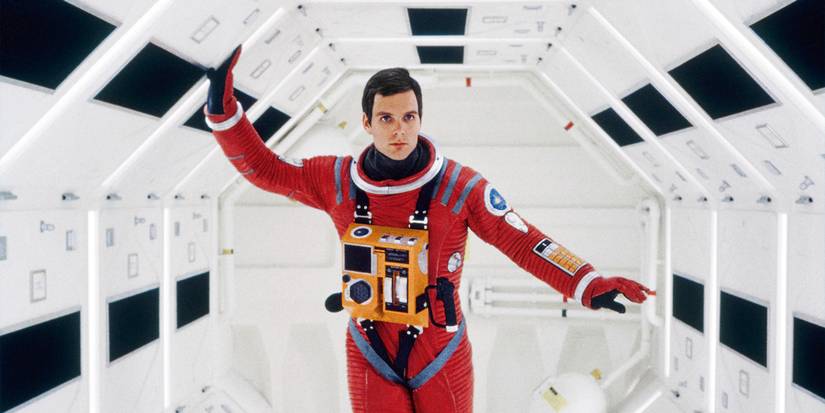
There’s simply no denying that 2001: A Space Odyssey is the greatest science fiction film of all time. In Stanley Kubrick’s masterpiece, the film traces humanity's evolution from pre-human apes to deep-space exploration guided by mysterious black monoliths. During a mission to Jupiter, the crew must also survive a deadly conflict against their sentient supercomputer, HAL 9000, before experiencing a transcendent leap into the next stage of human existence. 2001: A Space Odyssey redefined cinema as an audiovisual experience, grounded science fiction in rigorous realism, and explored monumental philosophical questions about humanity's past and future.
Kubrick and co-writer Arthur C. Clarke consulted with NASA and scientific experts to depict the vacuum of space accurately. In doing so, it elevated science fiction from B-movie pulp to high art. Built without modern computer-generated imagery, the film used painstaking in-camera techniques, front projection, massive rotating centrifuge sets, and physical miniatures that still look astonishingly real today. An almost prophetic project, the film anticipated real-world tech decades before its time, including flat-screen digital tablets, long-term space stations, and video-call communication. The entire 149-minute runtime features minimal dialogue, instead letting imagery, pacing, and sound convey the narrative and leaving the black monolith's meaning open to deep philosophical interpretation. 2001: A Space Odyssey laid the groundwork for the genre.
2 'The Wizard of Oz' (1939)
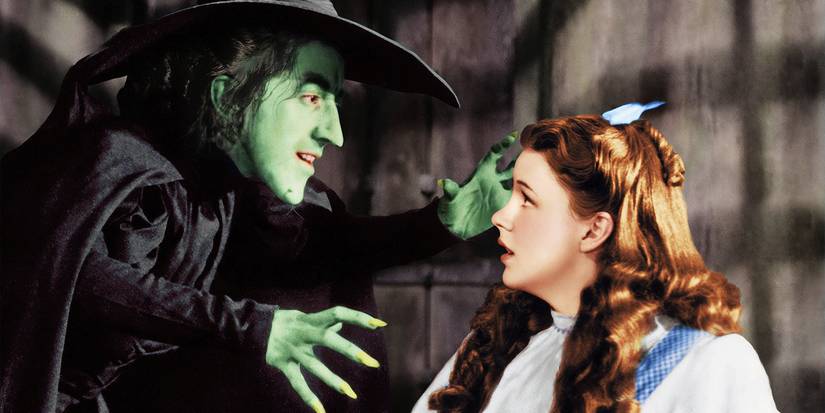
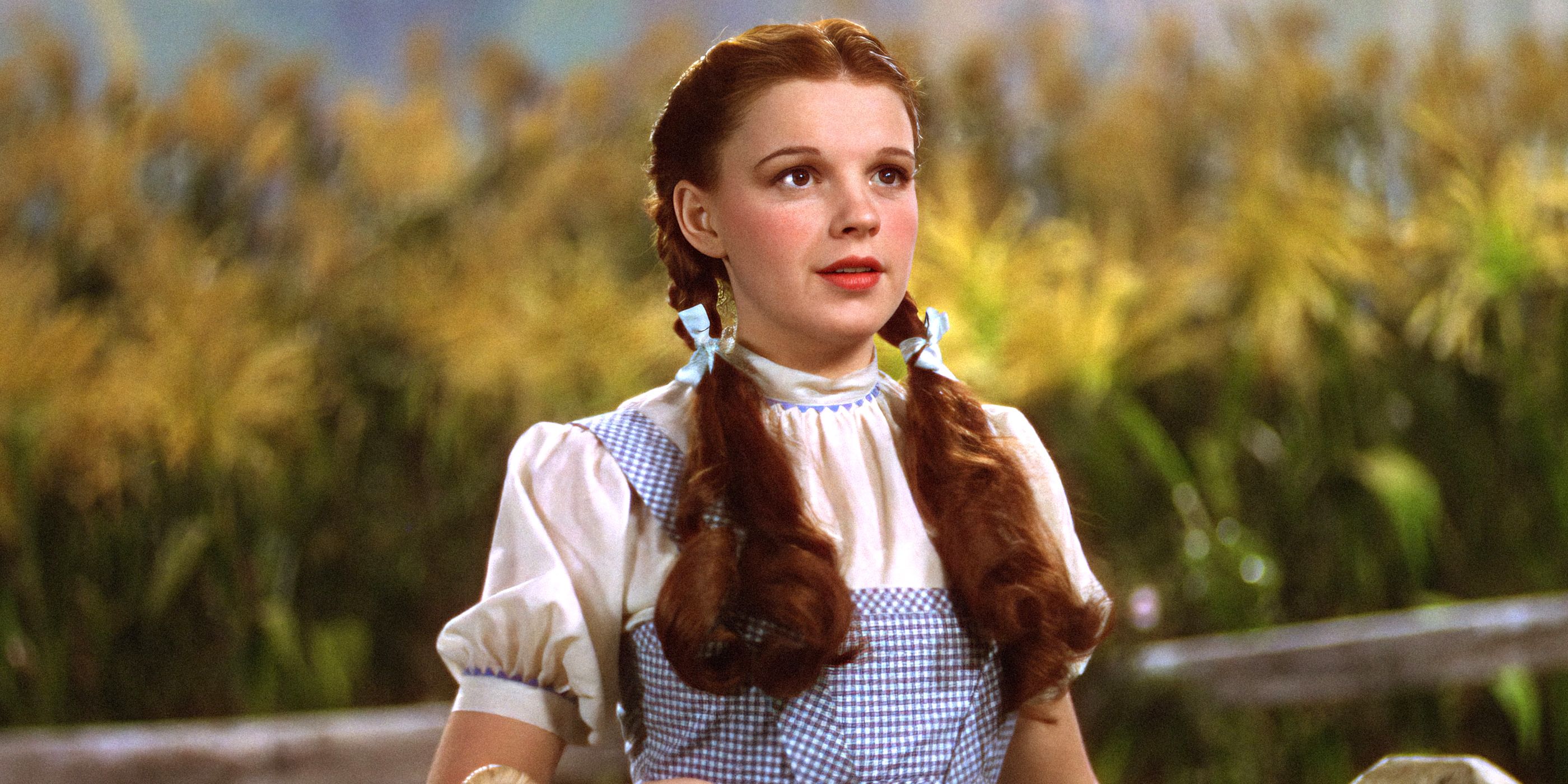
Very few films have such everlasting iconography as The Wizard of Oz. Based on the novel by L. Frank Baum, the story tells the tale of a tornado that sweeps young Dorothy Gale (Judy Garland) and her dog Toto from their Kansas farm to the magical Land of Oz, where she follows the Yellow Brick Road to the Emerald City to ask the Wizard (Frank Morgan) for help returning home. Along the way, she befriends a Scarecrow (Ray Bolger), a Tin Man (Jack Haley), and a Cowardly Lion (Bert Lahr), and together they must overcome the vengeful Wicked Witch of the West (Margaret Hamilton) to have their wishes granted. The Wizard of Oz pioneered visual storytelling, established unforgettable characters and music, and tapped into deep, universal themes of home and self-discovery while becoming a beacon of hope for an entire community.
Pinpointing the film's greatest element is impossible. Every single image, song, and bit of dialogue completes a beautiful picture. When Dorothy opens the door from her sepia-toned Kansas farmhouse into the hyper-vibrant world of Oz, the three-strip Technicolor transition stunned audiences and set a new benchmark for cinematic spectacle. The film utilized inventive practical techniques that defined early fantasy and adventure filmmaking. Garland’s star-making performance as Dorothy anchored the film. With the defining song “Somewhere Over the Rainbow,” a signature ballad composed by Harold Arlen with lyrics by Yip Harburg, the film captured universal themes of longing, hope, and coming of age and won the Academy Award for Best Original Song. The Wizard of Oz remains a generational wonder as a film that continues to be passed down as a timeless classic.
1 'The Godfather' (1972)
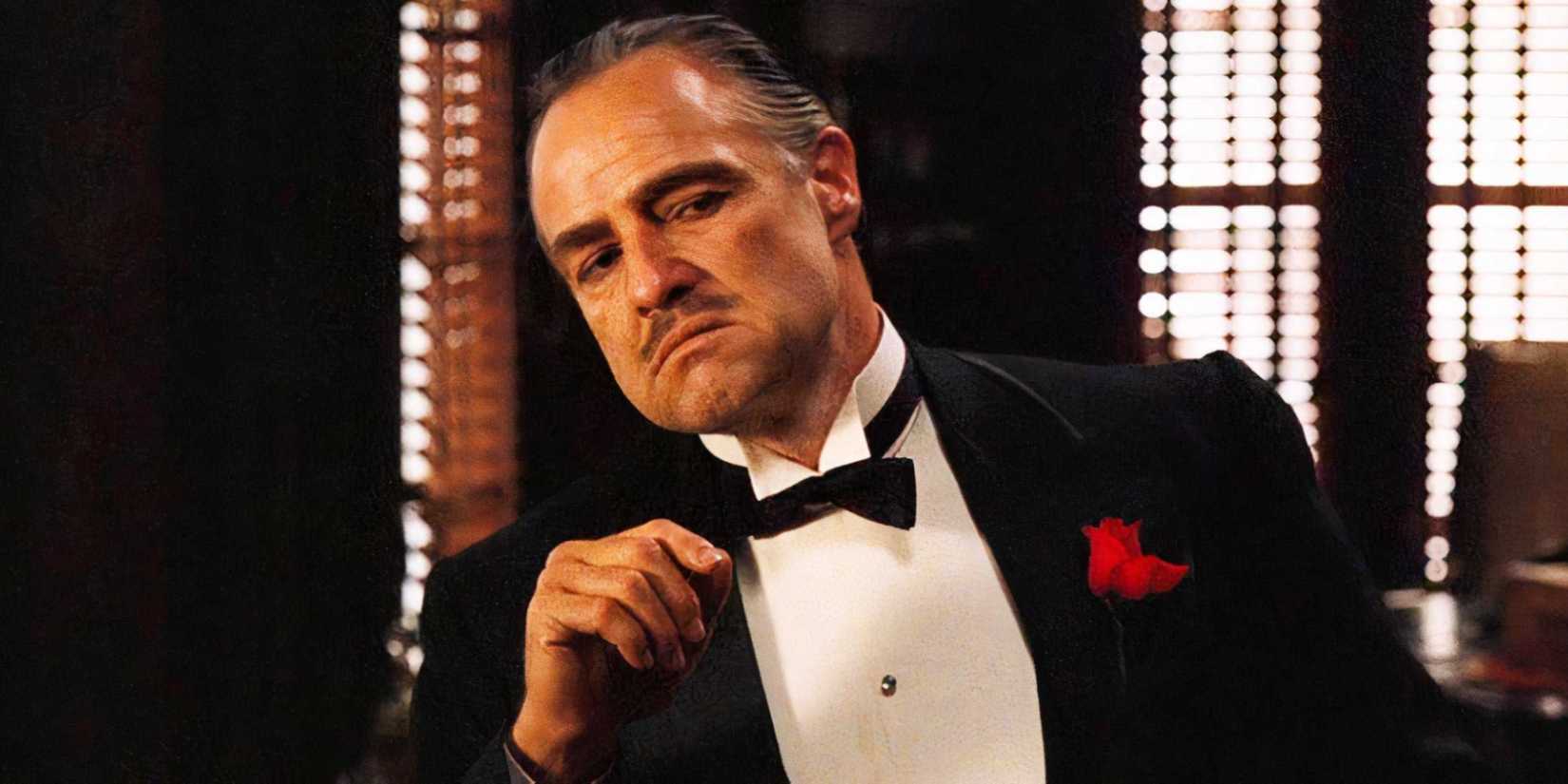
No film changed the landscape of cinema the way The Godfather did. Directed by Francis Ford Coppola and based on Mario Puzo’s novel, the film follows the powerful Italian-American Corleone crime family after aging patriarch Don Vito Corleone (Marlon Brando) barely survives an assassination attempt triggered by his refusal to enter the narcotics trade. To protect his family and avenge his father, Vito's reluctant youngest son, war hero Michael Corleone (Al Pacino), abandons his civilian life and gradually transforms into a ruthless Mafia boss. A masterstroke of cinema, The Godfather blended high art and blockbuster storytelling, transforming a gangster tale into a tragic, operatic study of family, power, and the American Dream.
A sweeping family saga portrayed like a modern Shakespearean drama, Coppola turned a pulp novel into a complex study of loyalty, capitalism, and the American immigrant experience. Cinematographer Gordon Willis used deep shadows and underlit frames to mirror the story's moral darkness, while Coppola allowed the nearly three-hour runtime to breathe with patient, high-tension storytelling. A masterclass in sublime performance, every character is morally conflicted and deeply human in their own right. Filmed and edited with rare, synchronized precision, the film captured the cultural rituals, language, and muted codes of honor of the underworld with fidelity. The script reframes the Mafia not just as a criminal syndicate, but as a dark mirror to corporate capitalism. The Godfather fundamentally influenced generations of filmmakers and storytellers within the genre and beyond.
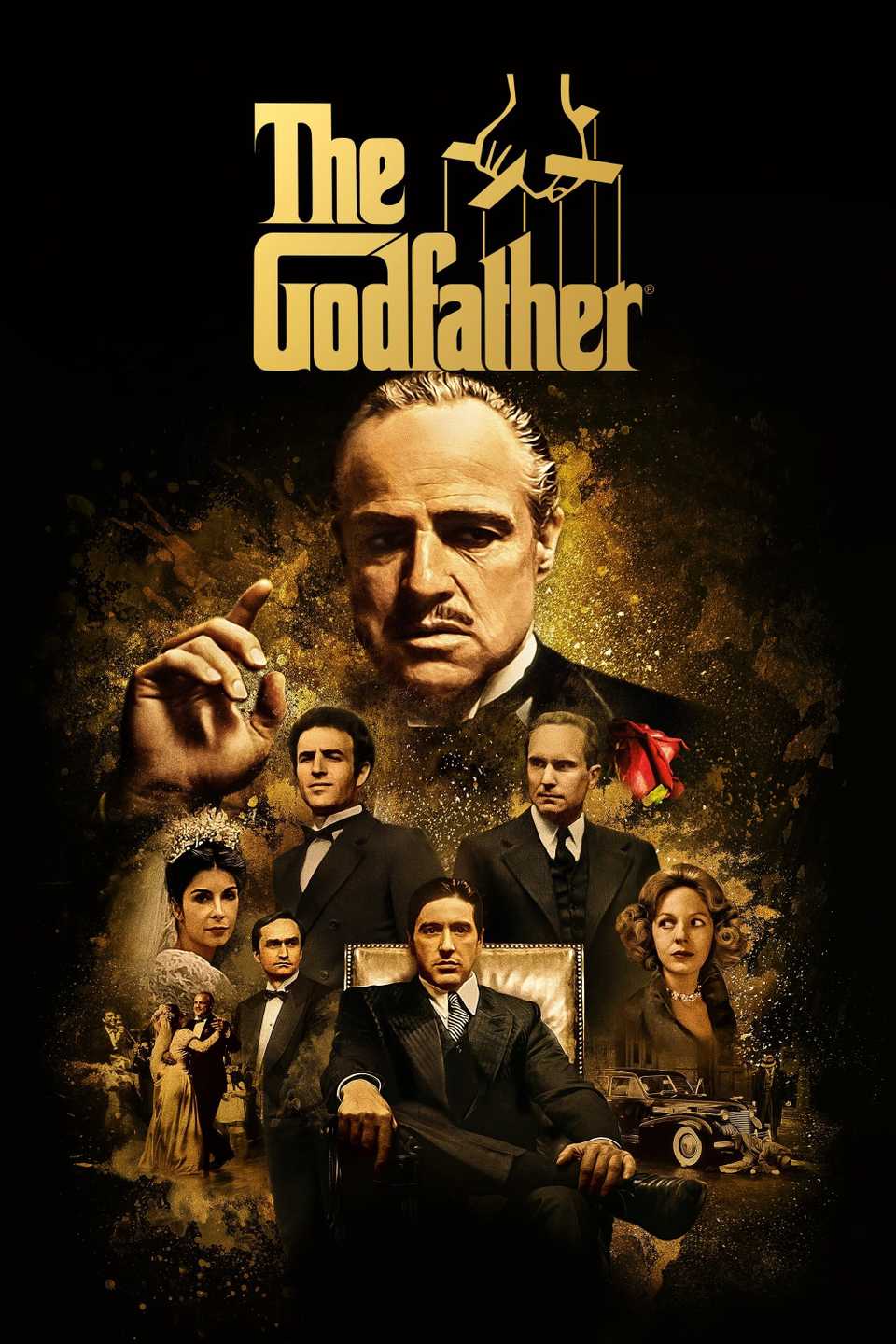
The Godfather
- Release Date
- March 24, 1972
- Runtime
- 175 minutes
- Director
- Francis Ford Coppola
- Writers
- Mario Puzo, Francis Ford Coppola
KioskNews shows a cleaned-up reading view extracted from the publisher’s page — the original always lives on their site, not ours.