Tasha Kheiriddin: Carney struggles to know if he should back Trump on Russia, or not
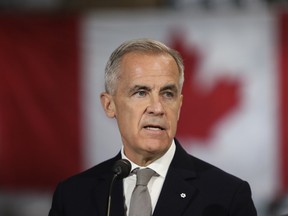
Prime Minister Mark Carney has built his political reputation on being the adult in the room — and a man at ease in the corridors of power. He’s a former central banker with friends in high places, a guy who understands how the world works, and, supposedly, a leader who can handle U.S. President Donald Trump.
Sign In or Create an Account
But this weekend, Carney demonstrated that having world leaders on speed dial and knowing how to deal with them are two very different things. On Sunday, he thanked Trump for his leadership in securing an alleged “energy ceasefire” between Russia and Ukraine. The two countries have been relentlessly bombing each other’s energy infrastructure, and with winter approaching, the consequences for people left in the cold could be dire.
The same afternoon, however, Carney condemned Trump’s deal to purchase Russian diesel, warning that it would provide Russian President Vladimir Putin additional revenue to finance his endless war. Trump’s move represents a complete reversal of U.S. policy: since Russia’s invasion in 2022, Washington has tried to choke Moscow’s energy revenues through sanctions and import bans. Now Trump is temporarily lifting restrictions to allow Russian diesel into American markets — not coincidentally, to provide cheap gas to U.S. voters ahead of the midterm elections.

Columnist Jesse Kline keeps you up to date with what’s happening in Israel and the effects of antisemitism on life here in Canada. Friday mornings.
By signing up you consent to receive the above newsletter from Postmedia Network Inc.
A welcome email is on its way. If you don't see it, please check your junk folder.
The next issue of Channel Israel will soon be in your inbox.
We encountered an issue signing you up. Please try again
So which is it? Is Trump a peacemaker deserving of praise, or an enabler of Russian aggression? Carney apparently thought he could have it both ways. The question is, why did he make this blunder?
One possible explanation is that Carney wants to avoid antagonizing Trump while we remain embroiled in our bitter trade dispute with Washington. With Canadian jobs, investment and market access on the line, maybe he thinks that flattering Trump on Ukraine will buy goodwill on tariffs.
Sorry, but that’s unlikely. There is little evidence that Trump’s goodwill on one file ever translates into concessions on another. In fact, his transactional approach suggests the opposite: every new issue is an opportunity to extract another advantage. He can be your friend one day, your foe the next — and the whipsaw doesn’t stop when you sing his praises.
The second is that Carney didn’t factor in the domestic piece of this foreign policy puzzle. Canada’s position on the war in Ukraine is not something Ottawa can bargain away for better trade terms. We have one of the world’s largest Ukrainian diasporas, a community that has watched Russia’s invasion with anguish and mobilized extraordinary support for Kyiv. We have welcomed almost 300,000 Ukrainian refugees since 2022.
For these people, support for Ukraine is not a foreign policy issue — it’s personal. How will they react to a prime minister who condemns Trump’s concessions to Putin while simultaneously applauding his diplomacy? Answer: not very well.
A genuine, enforceable agreement that protects Ukrainian civilians would be welcome. But that requires evidence of Russian compliance, not congratulations based on Trump’s latest social media post. Worse, the deal may well be smoke and mirrors: Zelenskyy was apparently surprised by Trump’s announcement, while Russian attacks on Ukrainian energy infrastructure continued.
The episode raises a larger question about the prime minister’s much-vaunted international expertise. Carney’s career has given him extraordinary access to global decisionmakers and the backrooms where deals are often made. But access doesn’t always translate into judgment, especially when faced with leaders who blithely disregard the conventions of the now-defunct world order. Trump can’t be managed like a central bank governor or a fellow delegate to Davos.
Carney was elected because Canadians believed he had the experience and stature to protect their interests in a dangerous and unpredictable world. But coherent foreign policy demands more than impressive credentials: it requires clarity about Canada’s interests, the courage to defend them and the judgment to recognize when diplomacy veers into appeasement.
Carney might have thought he could square the circle between supporting Ukraine, accommodating Trump and protecting Canadian trade. This weekend suggested otherwise.
Postmedia
Tasha Kheiriddin is Postmedia’s national politics columnist.
Join the Conversation
This website uses cookies to personalize your content (including ads), and allows us to analyze our traffic. Read more about cookies here. By continuing to use our site, you agree to our Terms of Use and Privacy Policy.
KioskNews shows a cleaned-up reading view extracted from the publisher’s page — the original always lives on their site, not ours.