Doctor begs women to attend smear tests: ‘Cervical cancer is completely preventable’

An NHS doctor has begged women to book and attend their cervical screenings, as one in five ethnic minority women have never attended a smear test.
New statistics show that 51 per cent of ethnic minority women are not accessing cervical screening to NHS-recommended levels.
Six per cent of these women had never attended despite being invited, 15 per cent said they had never received an invitation, and 30 per cent were overdue for screening.
Daye, a leading women's health platform, surveyed 1,024 ethnic minority women across the UK. Almost two-thirds (64 per cent) of women said cultural or personal expectations around modesty can affect their comfort with cervical screening.
Dr Aziza Sesay, an award-winning GP, said it is vital to “normalise the conversation” around cervical screenings and gynaecological health to improve the uptake of smear tests.
“A lot of us have grown up in a hush-hush environment where we don’t talk about these things. But this is all about life-saving measures,” she told The Independent.
“I want women to not feel ashamed; genuinely, this could save your lives.
“Cervical cancer is preventable. We can prevent people from getting it, we can prevent people from dying. Please book your tests.”
More than a quarter of women said difficulty around booking appointments is an obstacle, while 26 per cent also said family care responsibilities affected their ability to attend.
Just under a quarter of women (24 per cent) said healthcare information could be difficult to understand. They also found language differences and limited access to culturally appropriate health information were preventing women from booking their smear tests.
Dr Sesay, who has been a GP for more than a decade and is the vice chair of Black Female Doctors UK, has created multilingual videos with her colleagues asking women to book smear tests in their mother tongue.
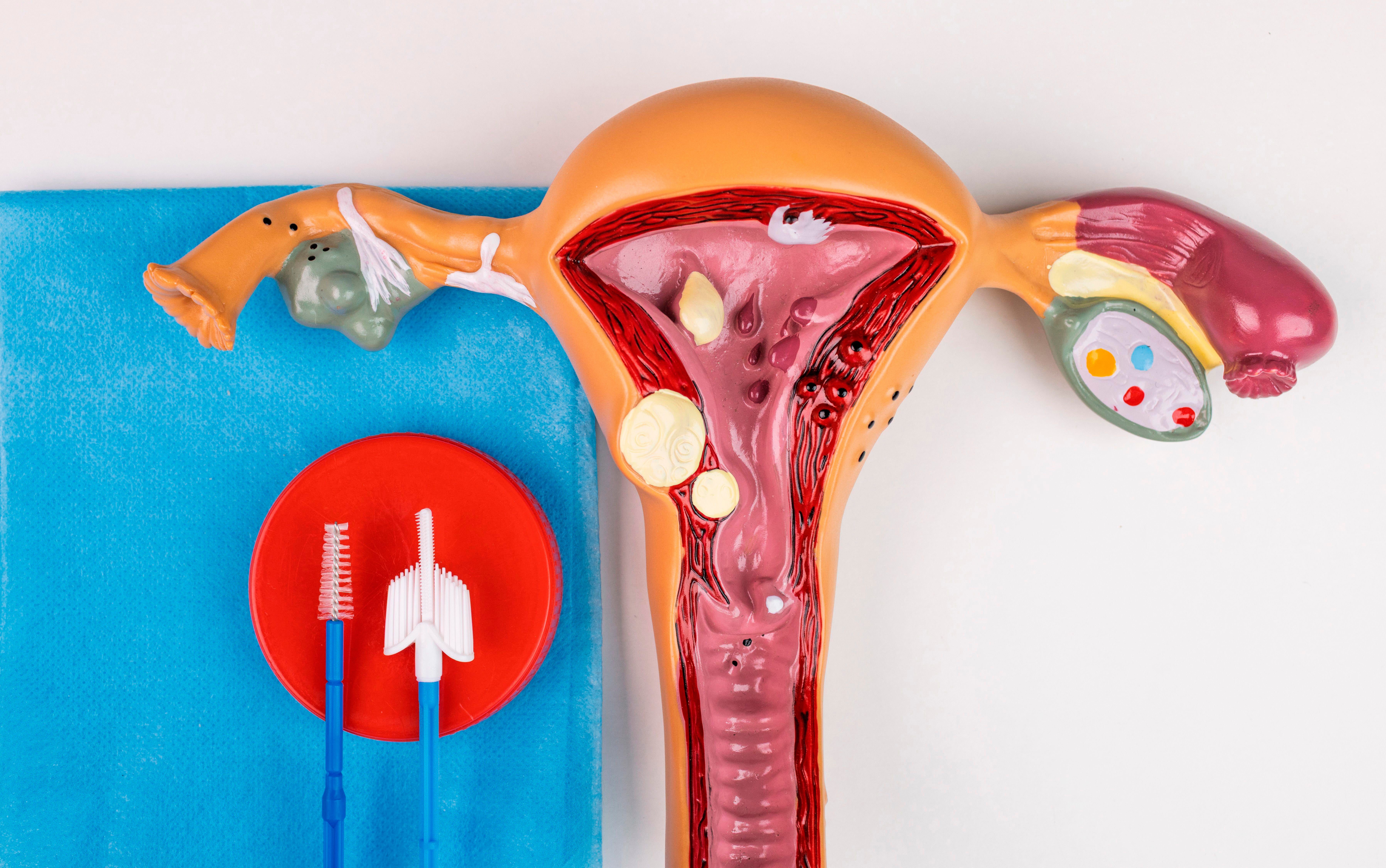
HPV is a group of viruses which can be passed on through sexual contact. Some of these viruses can cause warts, some cause no symptoms at all, and others increase the risk of cervical cancer.
Approximately 13 high-risk forms of the virus are known to cause 99.7 per cent of all cervical cancer cases. There are around 3,300 new cases of cervical cancer every year, but rates of the disease have decreased by a quarter since the early 1990s.
About 70 per cent of cases are prevented through cervical screening, according to Cancer Research, and the NHS says the HPV vaccine is cutting cases of cervical cancer in England by 90 per cent.
Women aged between 24 and 64 are invited for cervical screening every five years, or more often if HPV is detected.
Dr Sesay added: “Some people think because they are married and only have one partner, they don’t need to screen. There are also communities who may not have had penetrative sex but have partaken in sexual activity, so think they don’t need to get the screening done, but they should.”
There is also misinformation that women who received the HPV vaccine in school are protected from the virus. However, the vaccine does not offer protection from all strains of HPV, so it is still crucial for women who have been vaccinated to attend cervical screenings.
Nearly one in four (24 per cent) ethnic minority women said an at-home cervical screening option would make them more likely to participate in cervical cancer prevention.
The NHS has recently announced it will be rolling out self-testing kits for women who have routinely missed cervical screening appointments.
Daye has also produced its own non-invasive diagnostic tampon which allows women to test for 14 high-risk HPV infections at home. While the diagnostic tampon does not replace NHS cervical screenings, it allows women to self-test between screenings.
Lucie Osborne, healthcare leader and Daye’s head of NHS integration, said: “We have a product which people know how to use. People know what a tampon is and how to put it into their vagina, within their own time.”
Dr Nadia Ahmad, a doctor and medical director, said: “For some women, self-sampling could remove one of the biggest barriers: the intimate examination itself.
“Being able to complete the test privately at home may increase participation among women who feel embarrassed, have cultural concerns, or struggle to attend appointments due to work or caring responsibilities.”
The NHS has been contacted for further comment.
Advice to help make cervical screenings more comfortable
Dr Sesay said: “Before the test, I would encourage someone to have a conversation to talk through the procedure, if they had any traumatic experience which would make the procedure unpleasant.
“They can ask for a double appointment so they don’t have to rush; they can bring someone with them. They can take paracetamol or ibuprofen.
She also advises wearing a skirt so people don’t feel like they are completely naked. “Don’t worry about grooming, we don’t care, we just want you to come in,” she added.
“You can ask for the healthcare professional to talk them through what they’re doing. You can bring headphones and listen or watch something – these are grounding techniques.”
The GP also said women can ask to have a smaller speculum, which can be a more comfortable experience, as well as asking for lubrication.
An NHS spokesperson said: “Cervical screening saves thousands of lives each year and we recognise that some people can face barriers to attending their appointment which is why we provide screening information in a range of languages and formats, women can also have an interpreter, a longer appointment or other reasonable adjustments to help them feel more comfortable.
“We would encourage everyone who is eligible and invited for screening to take up the life-saving offer - it is one of the best ways to help prevent cervical cancer.”
KioskNews shows a cleaned-up reading view extracted from the publisher’s page — the original always lives on their site, not ours.