Bill Gates once again calls for tax on robots, this time to save blue-collar jobs
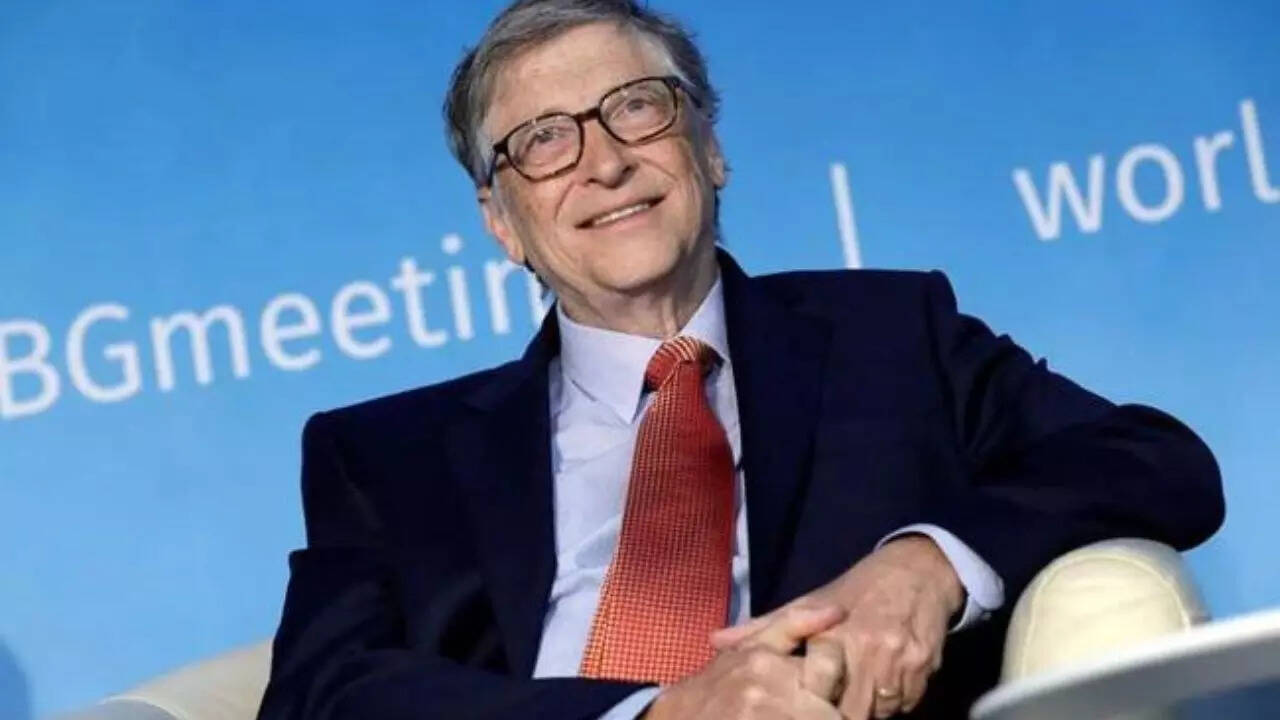
Bill Gates raises 'Tax the robots' slogan again
Bill Gates has again called for a tax on robots, nine years after he first made the case in 2017. In an interview with Ezra Klein of The New York Times that aired last week, the Microsoft founder said "society gets to decide" how to support its workers, even if AI is pushing them out.
He said any unit of labor should attract the same payroll tax, whether a human or a robot does the work. During the interview, Bill Gates said this would give citizens a monetary safety net and keep tax revenue flowing to the government.
Bill Gates wants robots to pay the same FICA tax as humans
Bill Gates said work should be measured in units of labor, no matter who delivers it. "You define a unit of labor and say, independent of whether that's delivered by a human or robot, you are paying the same FICA tax that a human worker would pay," Gates said.He was referring to the US payroll tax, Federal Insurance Contributions Act (FICA). Under FICA, workers pay part of their paychecks towards benefits like Social Security and Medicare. Employers match the workers' contributions.
Why Bill Gates wants to tax robots
Bill Gates said taxing robots that take human jobs would ensure a monetary safety net for citizens. It would also keep tax revenue coming in for the government. "Just because the economic signals say that it'd be lower cost to use an AI doesn't mean society has to do that," he said.
Gates has previously warned that AI and robotics are set to hit white-collar jobs hard. In a nearly 6,000-word essay published in August this year, Bill Gates said that office jobs are already being hit "modestly". He said blue-collar jobs are likely to follow soon.Gates said physical robots are lagging behind AI systems in development. He added that people underestimate how soon humanoid figures will catch up. In the same essay, Gates said taxing AI tokens "would slow the rush away from human labor a little and raise money for retraining and a stronger safety net."Bill Gates first called for robot taxes in 2017, in an interview with Kevin Delaney, who was then the CEO of Quartz. Nearly 10 years later, the idea is still on his mind."I'm still a big proponent of it," Gates wrote in his essay. "Although it is not the whole solution to the threat of AI, it is part of a wise response."
Other tech leaders also push for robot taxes
Notably, Bill Gates is not alone in saying the AI boom needs a new approach to taxation. Anthropic CEO Dario Amodei has called for stronger tax policies, possibly aimed at AI companies, to spread the gains of the technology more widely. Similarly, OpenAI has proposed taxes tied to automated labor as part of a wider plan to deal with AI-driven disruption.
KioskNews shows a cleaned-up reading view extracted from the publisher’s page — the original always lives on their site, not ours.