Original ‘Star Trek’ USS Enterprise heads to MIT after resurfacing on eBay
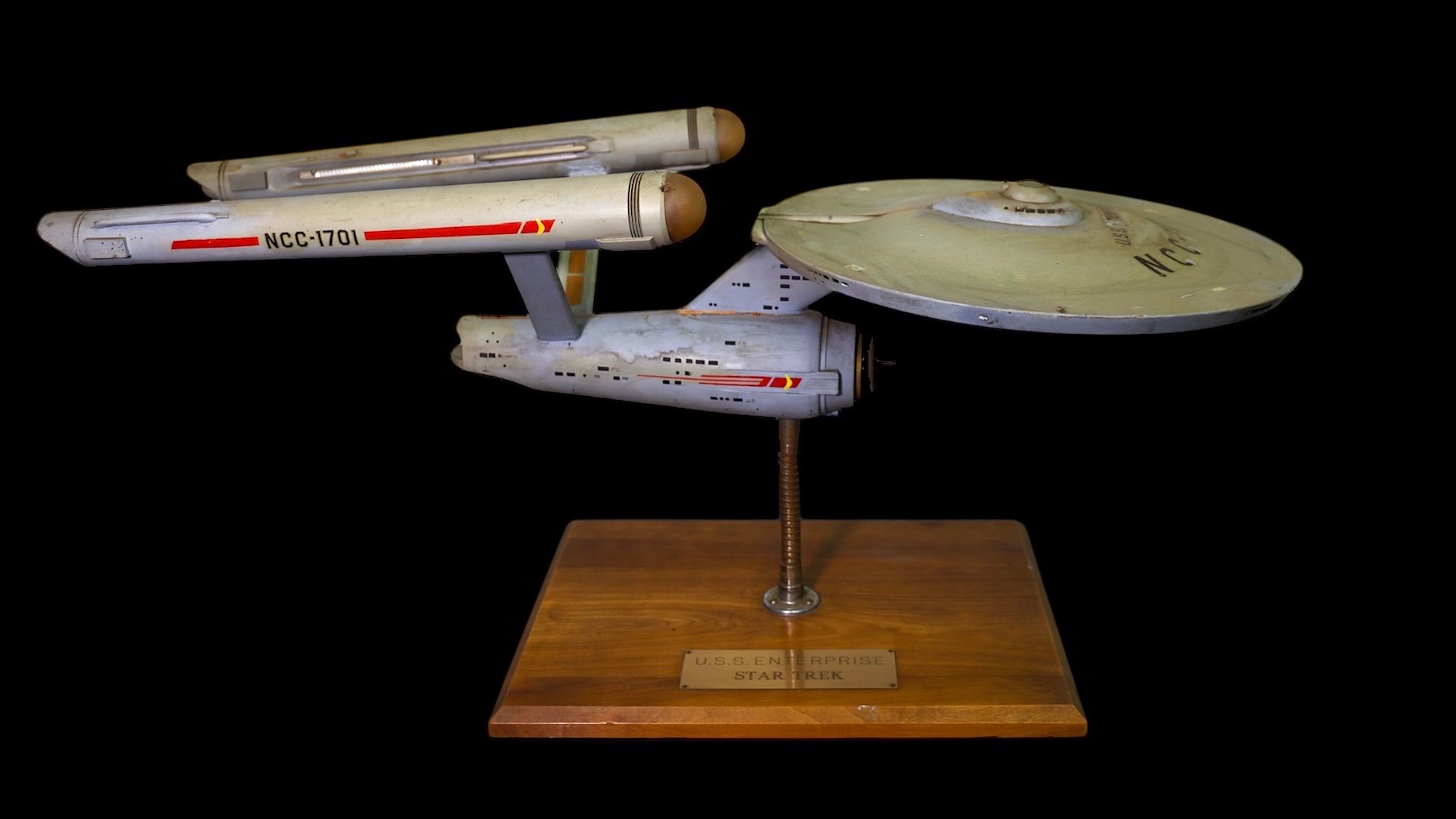
The long-lost, original USS Enterprise from Star Trek has resurfaced just in time to celebrate the beloved science-fiction series’ 60th anniversary. While the 33-inch-long model will soon be on public display, its whereabouts remained a mystery for 45 years—until sharp-eyed Star Trek aficionados flagged an intriguing eBay auction listing in 2023.
“Fans found the model, which is actually kind of perfect,” Rod Roddenberry, son of the show creator Gene Roddenberry, recently told Inverse. “…[They] immediately started looking at the details and saying, ‘Wait a minute, this could be the one.’”
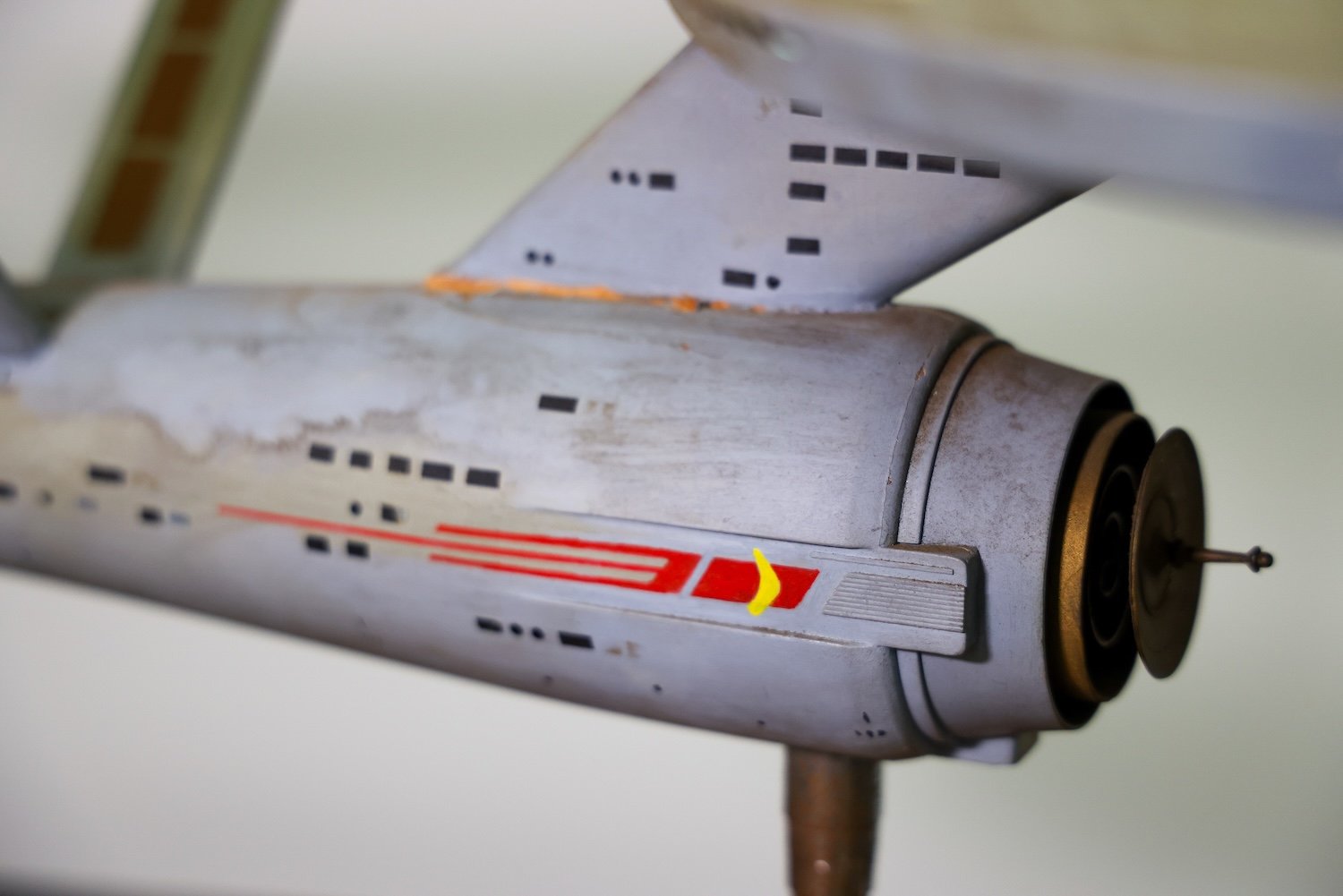
The first USS Enterprise was originally constructed in 1964 by renowned modelmaker Richard C. Datlin using wood and plexiglass. The spaceship’s design was crafted by artist Matt Jefferies in collaboration with Gene Roddenberry based on a combination of Golden Age sci-fi art and theoretical aerospace engineering concepts. The model wasn’t simply a proof of concept, however. Although an 11-foot studio version often displayed at the Smithsonian Museum is more recognizable, the smaller iteration is what soars through space during the original series’ opening credits.
After learning of the original model’s eBay listing, Roddenberry himself reached out to the seller who then collaborated with various Star Trek experts to confirm its authenticity. Nearly six decades of wear-and-tear left the fragile prop in pretty shoddy condition, so Roddenberry’s team enlisted the help of contemporary Hollywood model designer Lou Zutavern. Hours of careful restoration work stabilized the USS Enterprise’s overall integrity, but Zutavern stopped short of trying to make it look brand new.
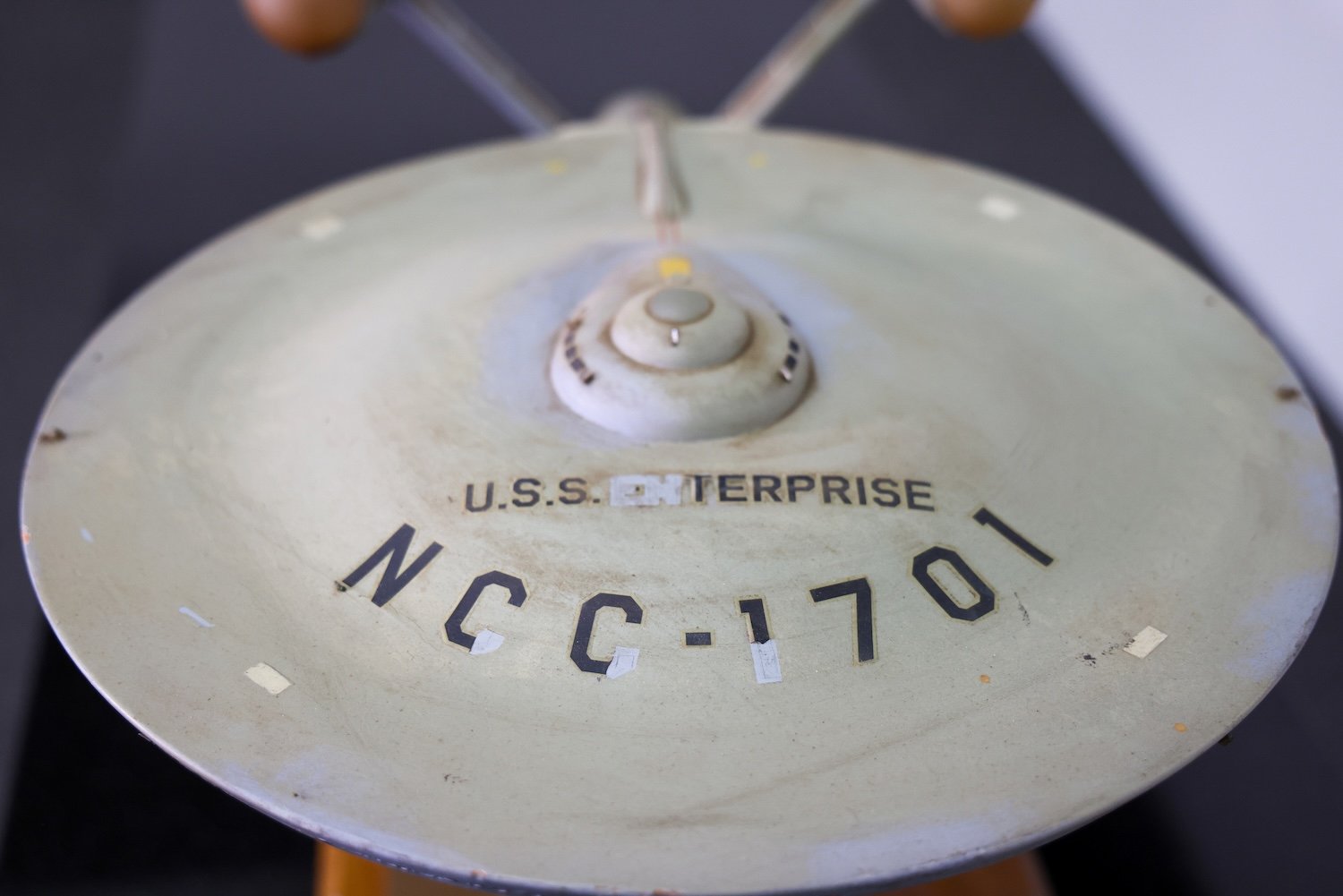
“We were very careful not to erase her age or the signs of wear that are part of her story,” said Roddenberry. “It was important that we preserve her authenticity, so that she can continue her journey and inspire people once again.”
The classic USS Enterprise model will debut at the MIT Museum on September 30, and remains on public display until March 2027.
KioskNews shows a cleaned-up reading view extracted from the publisher’s page — the original always lives on their site, not ours.