Wes Craven Spent 21 Nights On Scream's Finale — But One Phone Call Rewrote Slashers Forever

Karlis has been obsessing over television and movie news since he first learned how to read. He has worked in tech, as a musician, and in journalism with a well-rounded knowledge base of pop-culture throughout the eras. He claims that he has memorized the entire Internet Movie Database, and to date no one has been able to refute this.
Holding a Bachelor's Degree in Religion and Culture from Wilfrid Laurier University, Karlis loves to examine the intersections of popular science-fiction and culture. His latest novel MASS. is available now on Amazon and examines a world where obesity has become a federal crime.
Scream is one of the best slasher movies ever made, and despite much of the film's time and budget being spent on the finale, the most powerful scene occurs right at the beginning. With seven Scream movies now having been produced, the franchise remains an indelible part of pop culture that transcends even its excellent horror roots.
With a new movie being one of 2026's horror releases, Scream remains beloved to multiple generations of audiences. From its origins in 1996, the film series has taken a meta-textual eye to horror stories and has cleverly found the perfect way to balance horror, humor, and critical analysis of the genre inside a thrilling package.
Wes Craven's movies have been enormously impactful on the genre, and this helped Scream to feel like such a special culmination. Known for films like A Nightmare on Elm Street and The Last House on the Left, the accomplished filmmaker first set his sights on something more self-aware with 1994's Wes Craven's New Nightmare.
From there, Craven's knowledge of the genre was put to its best use with the cumulative horror experience of the Scream films. This included several fantastic scenes, characters, and ideas in a franchise that had the excellent appeal of a mystery at its core. However, it is one scene in the first film that truly redefined how the slasher genre work.
Why That Phone Call Was So Important To Scream
The phone call scene at the beginning of Scream is one of the most important scenes in horror history, especially within the slasher sub-genre. Rather than immediately cutting between the tension of the chase and the catharsis of the final kill, this refreshing setup immediately gave the villain and the victim a relationship of sorts.
Yes, Freddy Krueger often taunted his victims with silly dialogue, but using the makeup of something like The Silence of the Lambs, which was largely built around the tension between Hannibal Lecter and Clarice Starling, was a unique choice for the visceral thrills of a slasher.
Rather than immediately descending into violence, the scene was built around the killer's iconic question, and the natural tension that fluctuated throughout its ensuing conversation: "What's your favorite scary movie?"
This gave clever characterization to the killer, and hooked audiences from the start. It capitalized on the clever postmodern approach to cinema that had become popular in that era with films like Clerks, and closely centered it on the horror genre. In doing this, the scene provided a tensely powerful moment that heightened the effectiveness of the eventual kill.
Casting a star like Drew Barrymore at its center, and focusing much of the marketing on her, was a powerful move that made the scene that much more surprising and satisfying. Framed in this powerful, open-ended interrogation rife with the possibility of violence, this incredible opening scene helped to reframe how horror could be understood.
How Wes Craven Changed Horror Forever
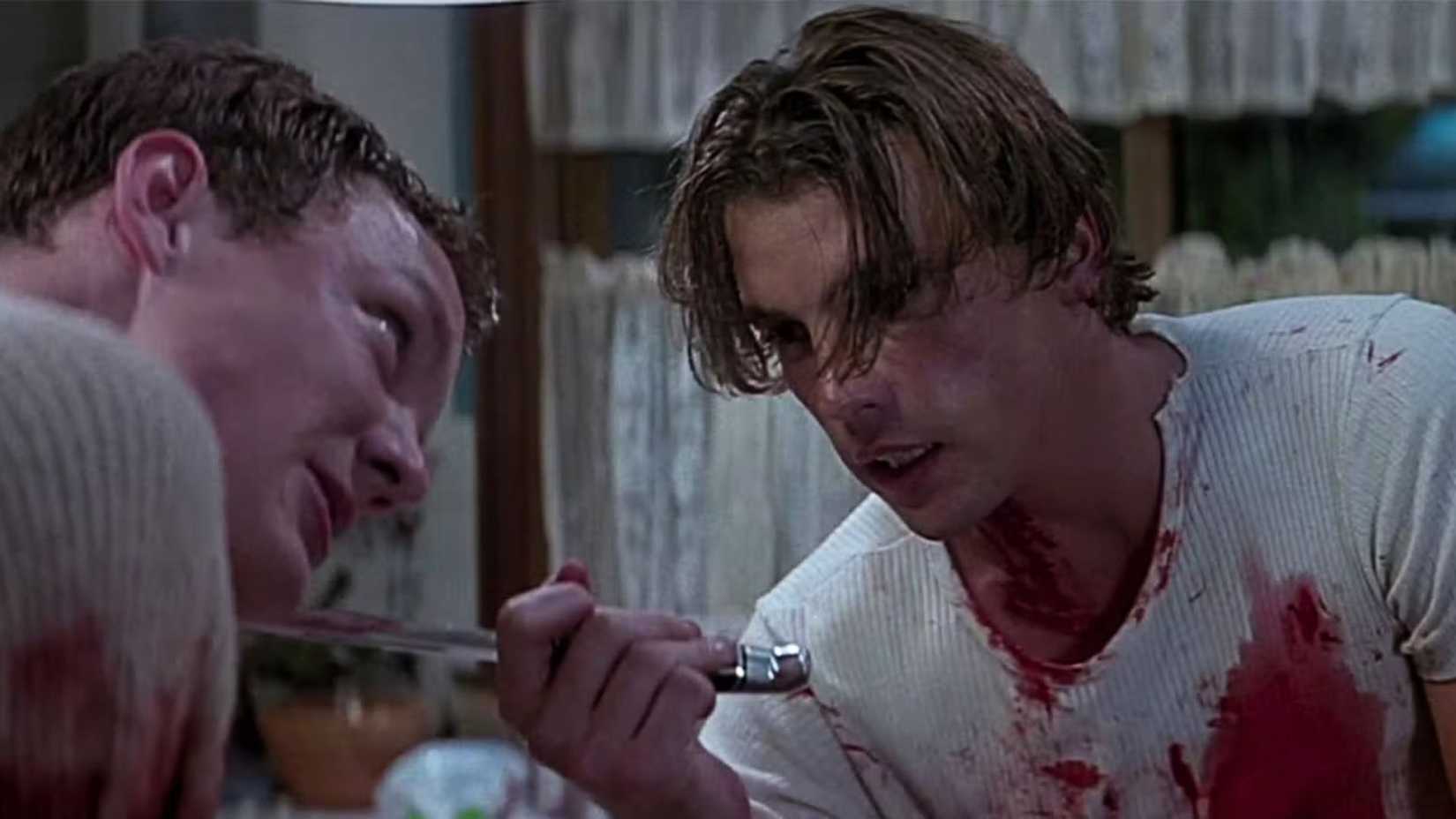
Wes Craven's technical prowess was used to its fullest extent during the production of Scream, especially with the movie's closing party scene. That excellent sequence took 21 nights to film, and wound up comprising 42 minutes of Scream, which ultimately chronicled the reveal of the killers and their satisfying downfall.
Skeet Ulrich, Matthew Lillard, and several other members of the cast recently appeared at the Midsummer Scream convention in Long Beach, California, where they discussed the 30th anniversary of the iconic film. The Wrap reported Lillard's comments on the difficulties of filming this final scene:
"We shot at night. So, we were living a nocturnal life. And also, back then, we only had one camera … you would have to do a take on every angle, every set-up multiple times. So, that sequence is really brutal and stands out in my memory."
From Scream's influence, the horror genre as a whole has become more self-aware, recognizing the use of its genre tropes, and becoming more clever and satisfying as a result. Movies like The Cabin in the Woods have followed more directly in this mold, providing their own smart commentary on the genre.
The world is a better place for having released Scream. It's an entertaining story, certainly, but it also shone a light on how horror movies can and should work. With a smart script, fantastic production, and a powerful opening scene, it remains one of the most important horror stories ever told.
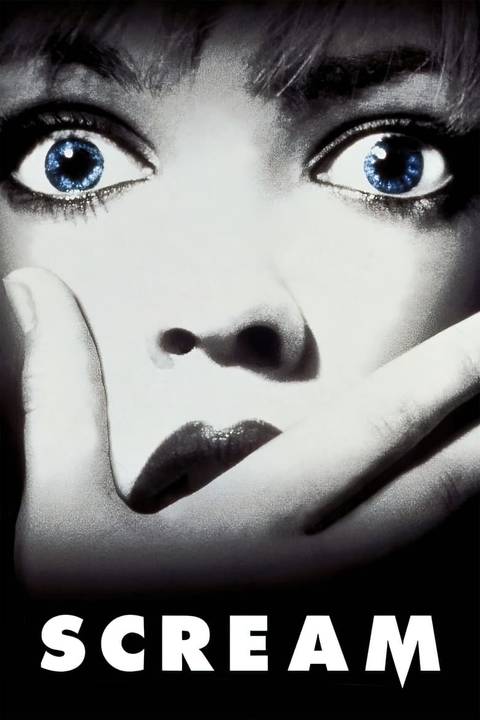
- Release Date
- December 20, 1996
- Runtime
- 112 minutes
- Director
- Wes Craven
- Writers
- Kevin Williamson
- Producers
- Bob Weinstein, Cary Woods, Cathy Konrad, Harvey Weinstein
KioskNews shows a cleaned-up reading view extracted from the publisher’s page — the original always lives on their site, not ours.