Amid boiling tensions, Israel needs realistic goals before third Iran war, defense expert says
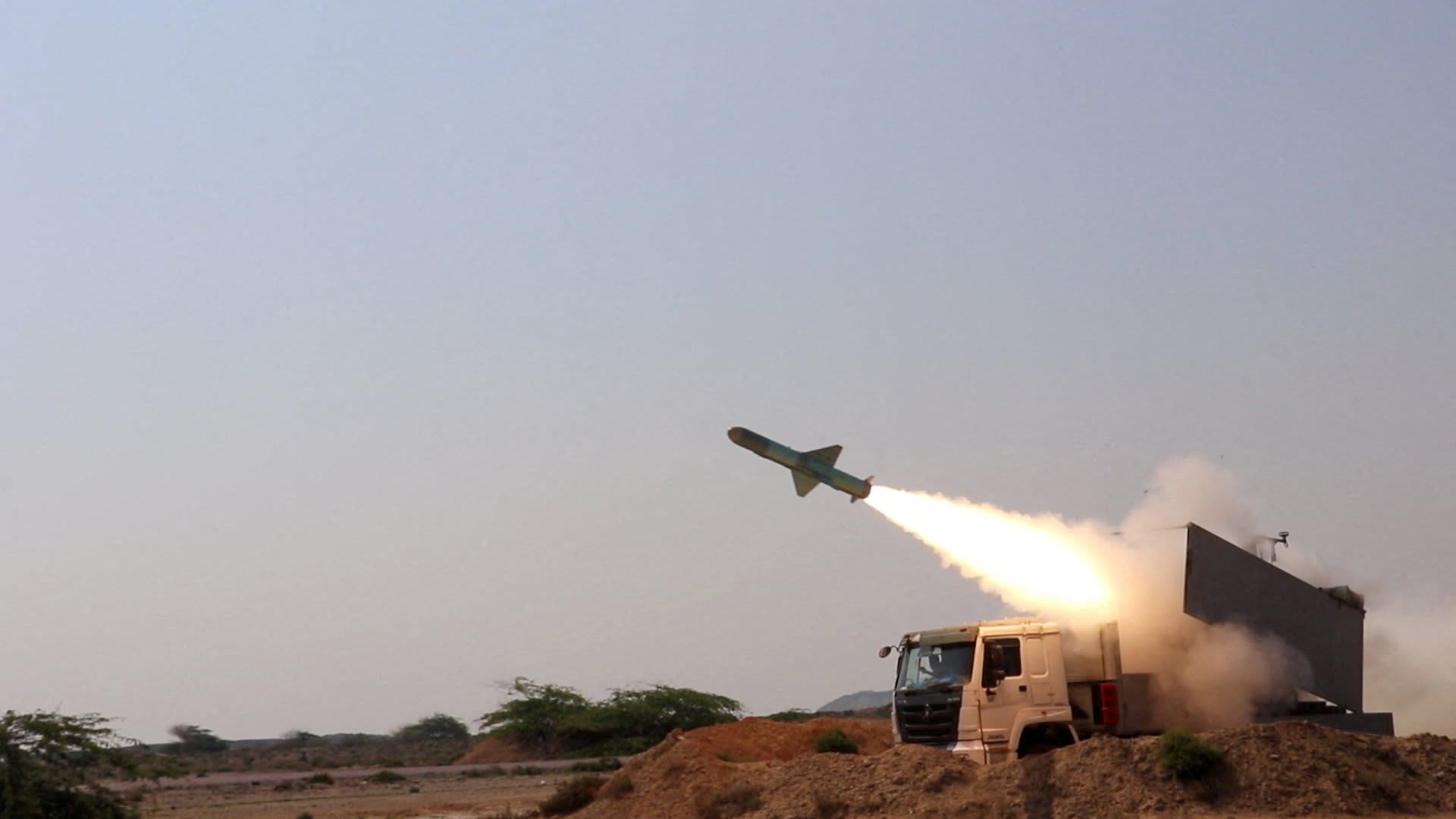
Yaakov Katz, a senior JPPI fellow and Israeli military affairs expert, said in an interview on the Post's Deep Dive podcast that a third US-Israeli offensive against Iran would likely differ from the previous two rounds in what it targets rather than in how it is fought. Iran’s refineries, oil storage and power plants could all be hit.
“My hunch is that the dramatic change that we would see in a new strike is more about the targets themselves, and less about how you attack the targets,” Katz, a former Jerusalem Post editor-in-chief, said. Earlier strikes focused largely on nuclear, military and ballistic missile sites, he noted.
The world held back from hitting Iran’s national infrastructure because it feared Tehran would retaliate against similar facilities in the Gulf states.
Katz called that infrastructure “the one card that has not been used that we can think of.” He said he presumed there would be no repeat of the “blindness” over the Strait of Hormuz, and that air defenses around critical Gulf infrastructure could become the top priority.
Don't underestimate Tehran
Katz warned against underestimating Tehran. He noted that Iran is still standing after a war of about 40 days waged by the US and Israel. He also questioned the widely cited estimate that Iran has 2,500 missiles, saying the same figure has been repeated for years before, during, and after the fighting. “Basically what it shows me, we don’t really know,” he said.
The main lesson for Israel from the last two campaigns, Katz argued, is to set a realistic objective and work backward from it. He cautioned that regime change would require a long, sustained campaign that the American public may not have the stomach for.
KioskNews shows a cleaned-up reading view extracted from the publisher’s page — the original always lives on their site, not ours.