A Classic Disney Movie Officially Returns For Christmas 2026

Nicolas Ayala is a Senior Writer for the Comics team at ScreenRant, with over five years of experience writing about Superhero media, action movies, and TV shows.
This Christmas, Disney brings back one of its earliest animated movies, starring one of the company's biggest icons. Disney’s feature animated catalog splits in two: fairy-tale heroines and anthropomorphic mascots. Disney's library of princess movies range from classic princesses like Snow White and Cinderella all the way through Frozen's Elsa and Moana. The mascot lineage traces its origin back from Steamboat Mickey and Fantasia and short-form slapstick showcases all the way through Mickey Mouse's animated series like Mickey Mouse Clubhouse and The Wonderful World of Mickey Mouse.
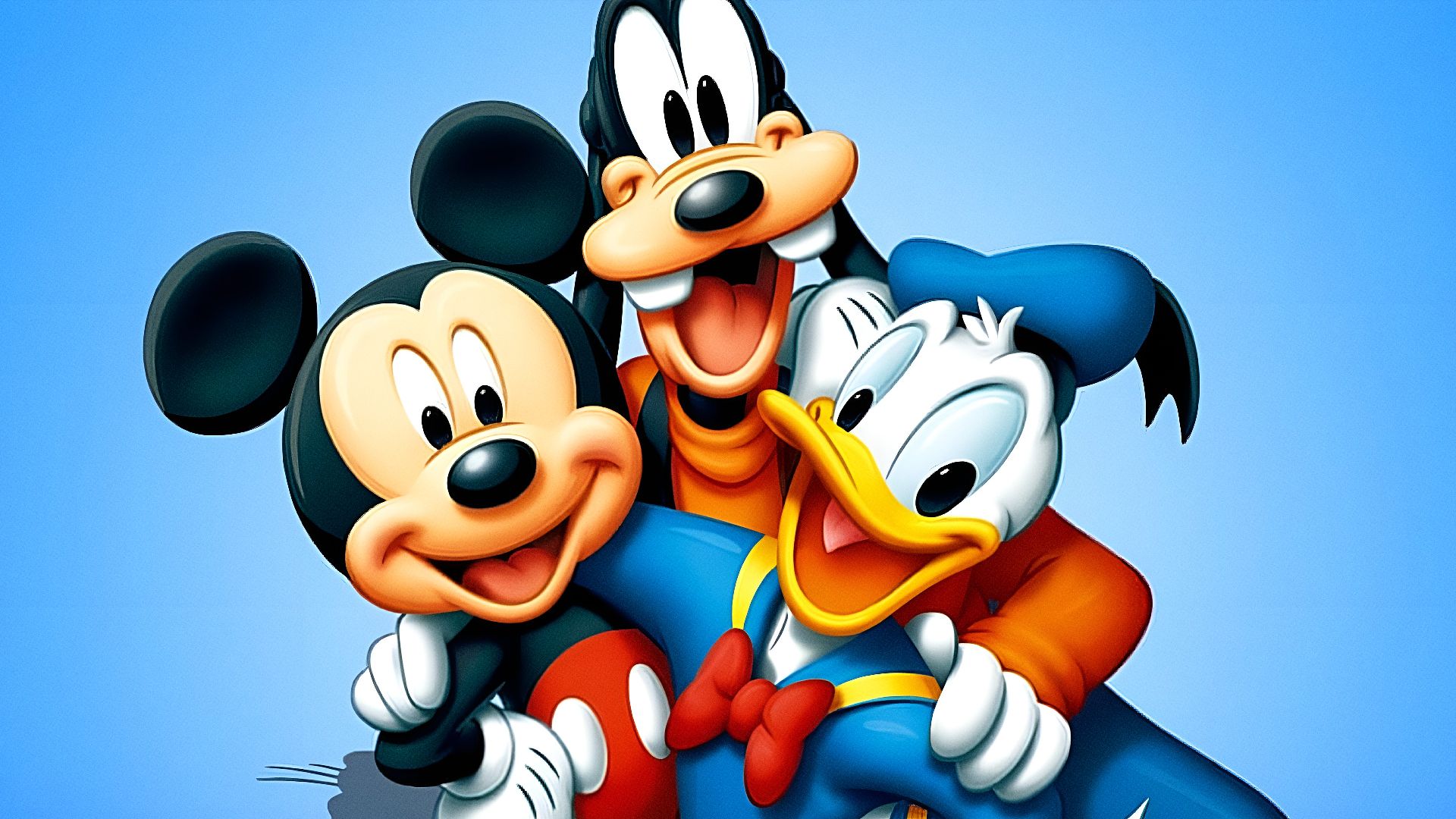
While Disney's princess movies are the company's biggest cinematic goldmine, classic mascots continue to have a huge cultural presence without relying on modern feature film releases. Mickey Mouse, Donald Duck, Goofy, and Pluto are no longer Disney's animated movie stars, but they're still the faces of the company. They're the main appeal of Disney's theme parks, costumed character appearances, broadcast branding, and endless retail merchandise lines that make them permanent ambassadors for the Disney legacy worldwide. However, this didn't use to be the case at the beginning of Disney's history.
Disney icons like Mickey Mouse and Donald Duck earned their fame through their leading roles in early movies and shows, some of which have since been forgotten.
82 Years Later, The Three Caballeros Returns
Disney's Seventh-Ever Movie Returns With Donald Duck

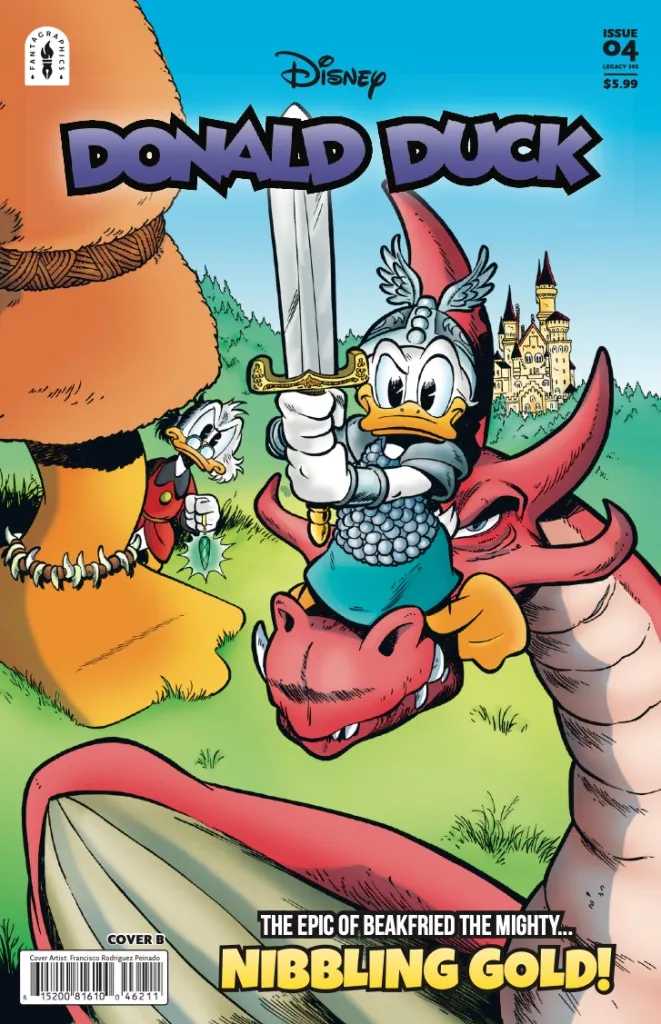
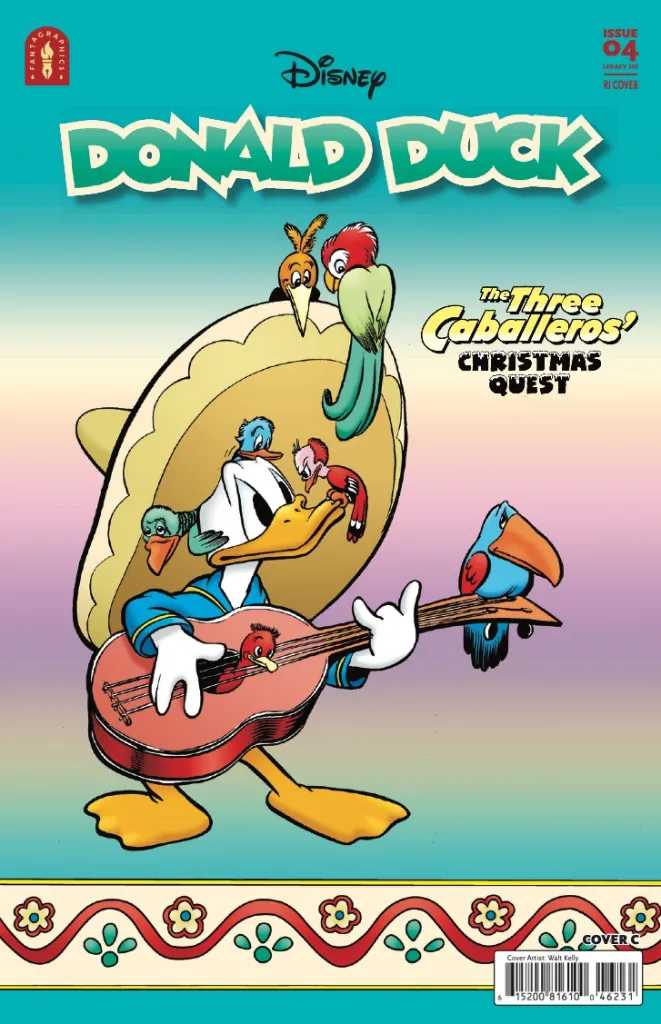
Fantagraphics expands its Disney Legacy Comic Books library with Donald Duck Legacy #392 (via AIPT), a forty-page holiday anthology featuring two original globe-trotting quests. The main story, written by Ralph du Mosch with art from Carmen Pérez, Tony Fernández, and Marta Leonat, brings together the Three Caballeros as Donald, Panchito, and José search Mexican rainforests for rare cocoa beans needed by Scrooge McDuck. Their expedition faces immediate danger from Pralina Trufflesniff, an aggressive warthog industrialist intent on monopolizing the harvest. A secondary feature by writer Stefan Petrucha and illustrator Francisco Rodriguez Peinado follows Donald and his uncle to Germany, where the mystical "Earring of the Nibblequack" throws them into a high-fantasy realm of monsters.
Eight decades after their animated debut in Disney's The Three Caballeros, Donald Duck, José Carioca, and Panchito Pistoles finally reunite for a new adventure. In 1944, The Three Caballeros became a cornerstone of Disney’s Good Neighbor policy toward Latin America in the 1940s. Almost a century later, the trio reassembles to reaffirm their status as one of the earliest foundations of Disney's animated filmography, and their search through Mexican rainforests honors classic Disney globetrotting traditions.
Disney's Second Five Animated Movies Never Got To Match The First Five
Disney's Sixth Through Tenth Animated Movies Deserve A Second Look

Disney's first five animated movies are a legendary collection of feature-length triumphs. Snow White and the Seven Dwarfs, Pinocchio, Fantasia, Dumbo, and Bambi established the studio's style and almost immediately made Disney the world's animation giant. But immediately afterward, Disney's subsequent five animated releases failed to leave the same mark. Saludos Amigos, The Three Caballeros, Make Mine Music, Fun and Fancy Free, and Melody Time are rarely if ever mentioned in the last breath as their predecessors. Wartime financial constraints, severed European distribution markets, and military requisition of the Burbank studio forced Walt Disney to abandon features in favor of fragmented package films.
These anthology projects stitched together musical vignettes and educational travelogue shorts, bound to government-sponsored Good Neighbor initiatives and pop-music compilations. Still, this period of Disney animation history served as an experimental laboratory for visual innovation. The Three Caballeros pushed technical boundaries due to their integration of live-action and animation, and Make Mine Music and Melody Time used revolutionary graphic design that anticipated the mid-century stylistic shifts of American animation. Animation masters like Mary Blair refined color and staging, which later influenced bigger hits like Cinderella and Alice in Wonderland. Far from artistic failure, Disney's wartime animated projects preserved studio operations through national crisis and provided animators with freedom to experiment.
Donald Duck Legacy #392 is available December 2 from Fantagraphics
KioskNews shows a cleaned-up reading view extracted from the publisher’s page — the original always lives on their site, not ours.