Why China will need a ‘more persuasive security offer’ to win over middle powers
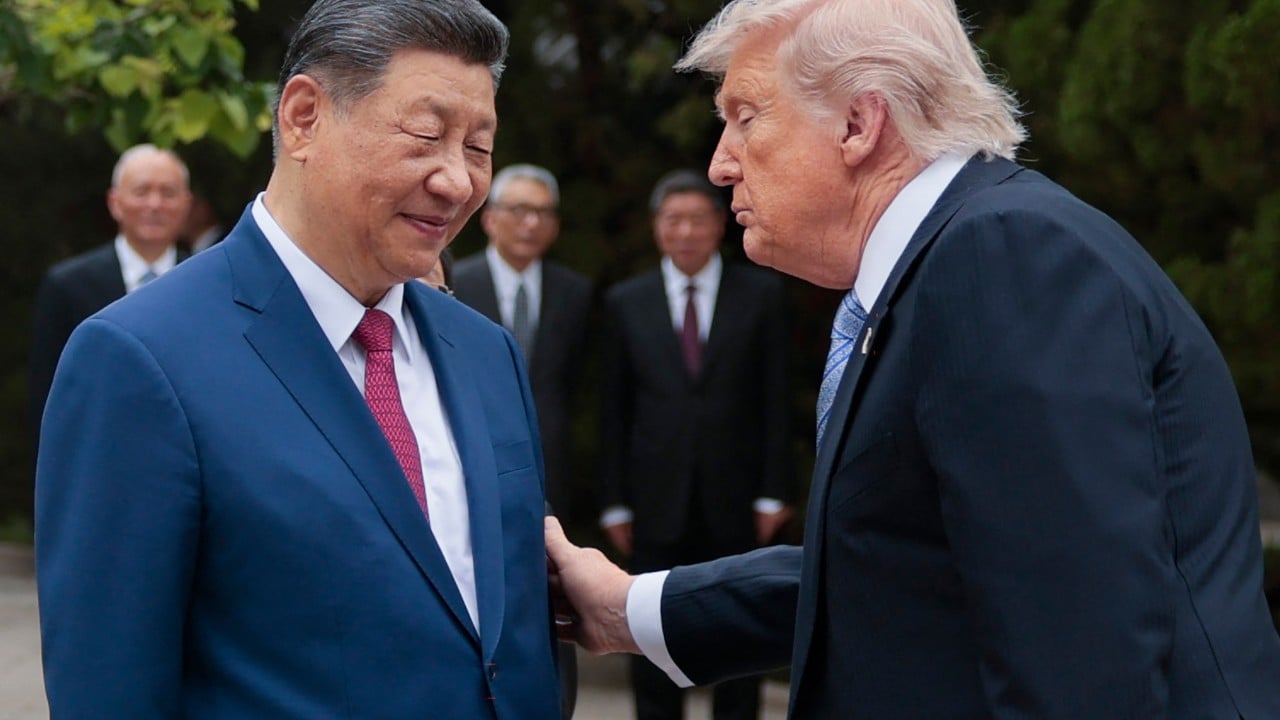
Just weeks before Chinese leader Xi Jinping is due to visit the White House, tensions have flared between Washington and its allies after one of the administration’s sharpest rebukes yet.
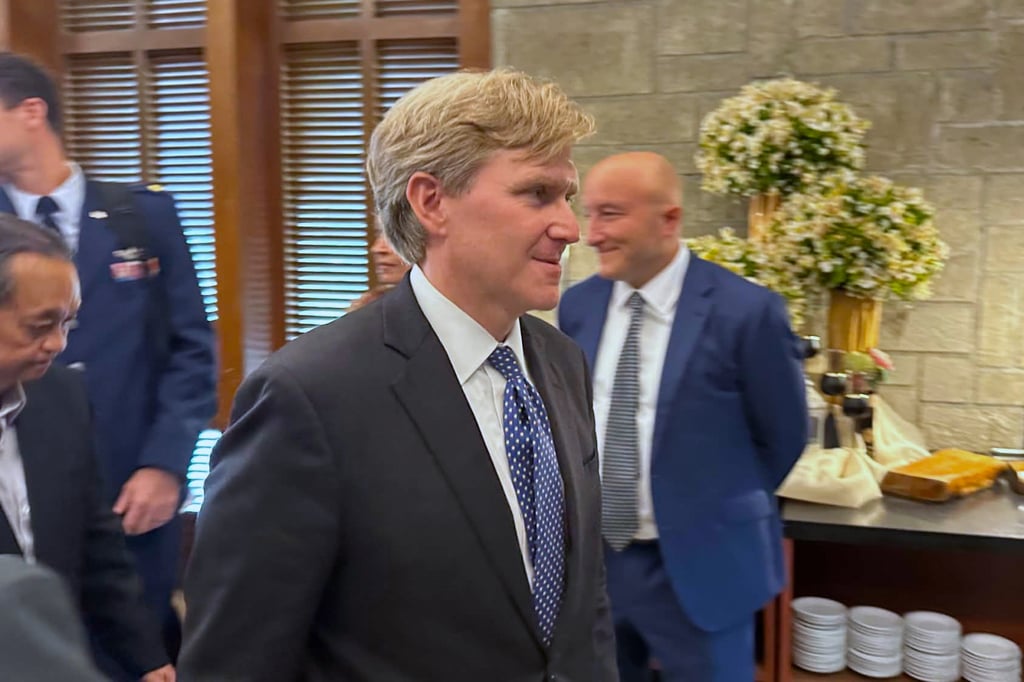
Speaking in Manila on August 10, Elbridge Colby, undersecretary of defence for policy, pressed regional partners to increase defence spending and align more closely with American priorities.
He said Washington sought “partners, not protectorates” and cautioned against “the delusion of fashionable but superficial ideas like middle-power alliances designed to exclude America”.
The remarks reinforced the message Colby laid out in mid-July that there was “a great deal of hubbub about a collective ‘middle powers’ strategy these days”.
On social media and in a subsequent New York Times interview, he said the strategy was based on a “faulty understanding” of international relations and that allies risked “wasting valuable time, money and political capital on a distraction”. He said access to the US defence industrial base was “a privilege, not a right”.
The remarks have intensified a debate among US allies over how to reduce dependence on Washington in the transactional Donald Trump era without drifting into Beijing’s orbit.
KioskNews shows a cleaned-up reading view extracted from the publisher’s page — the original always lives on their site, not ours.