All bark no bite: Do 'lame duck' Donald Trump's tariff threats carry weight anymore?
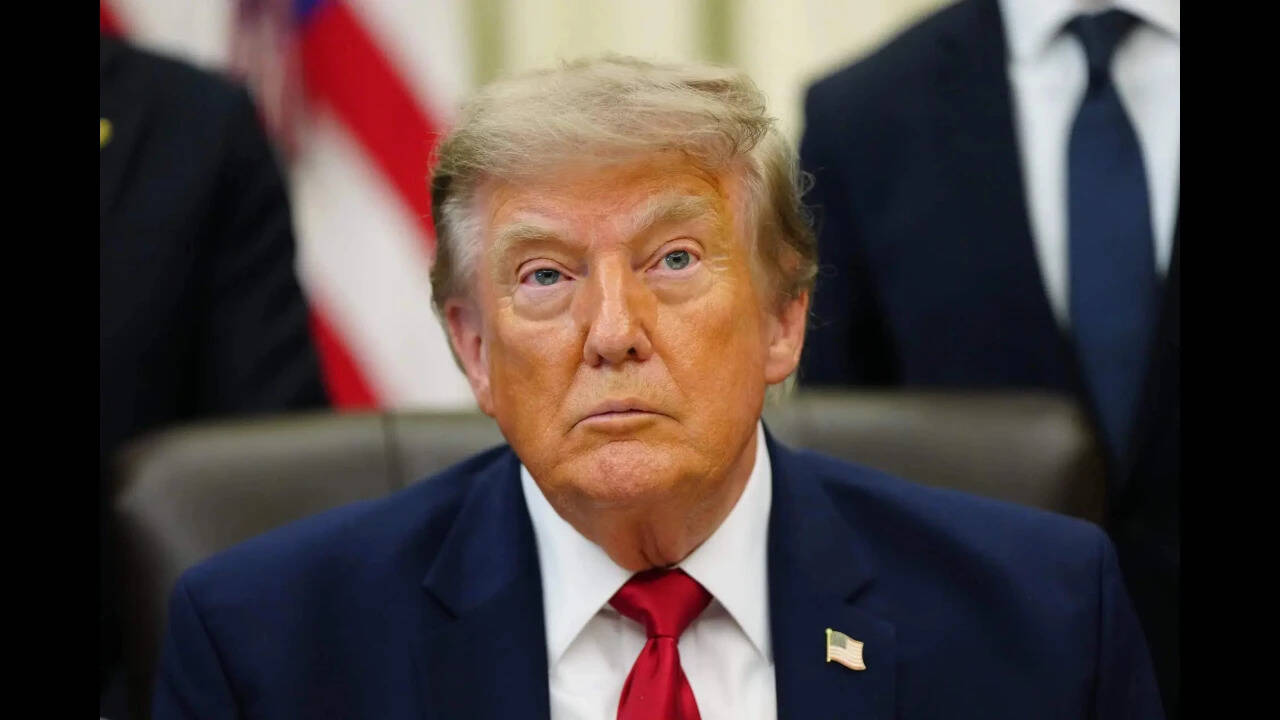
The sharp increase in presidential trading has renewed concerns about possible conflicts of interest. (AP file photo)
The Trump administration on Wednesday proposed fresh tariffs on 14 major US trading partners, citing concerns over "excess industrial capacity" and its adverse impact on American commerce.The proposed measures follow an eight-month investigation conducted by the Office of the United States Trade Representative (USTR) under Section 301 of the Trade Act of 1974. The investigation examined alleged unfair trade practices involving 16 trading partners.The countries and trading blocs targeted by the proposed tariffs include China, Bangladesh, Cambodia, the European Union, India, Indonesia, Japan, South Korea, Malaysia, Singapore, Switzerland, Taiwan, Thailand and Vietnam.But with Democrats set to take control of both chambers of Congress in January, can US President Donald Trump still push ahead with his tariff plans?What gives Trump the power to impose tariffsThe US Constitution gives Congress the authority to impose taxes and regulate foreign trade under Article I, Section 8. However, Congress has passed several laws relinquishing specific trade-related powers to the President, allowing the executive to impose tariffs under certain circumstances.
Trump's latest tariff proposals are based on Section 301 of the Trade Act of 1974 which allows the US administration to take action against foreign countries whose policies or practices are found to be unfair and to burden or restrict American commerce.Unlike legislation passed by Congress, Section 301 action does not require a fresh vote by lawmakers. However, the administration must follow the investigation, consultation and decision-making procedures laid down under the law.What can Democrats do to challenge Trump's tariff plansOn January 3, 2027, Democrats will take control of both chambers, giving them several avenues to challenge Trump's tariff agenda.
- They could introduce legislation to restrict or narrow the President's authority to impose tariffs.
- They could hold congressional hearings and investigate the administration's tariff decisions.
- They could use their control over federal spending and legislative proceedings to put pressure on the administration.
However, any legislation seeking to limit Trump's tariff powers would face a presidential veto. Overriding it would require a two-thirds majority in both the House of Representatives and the Senate, making bipartisan support necessary.Can the Supreme Court stop Trump againThe Supreme Court has already ruled against one of Trump's major tariff strategies.On February 20, the court ruled 6-3 that the International Emergency Economic Powers Act (IEEPA) did not give the President the authority to impose tariffs. The ruling struck down the administration's use of emergency powers to levy sweeping import duties.
However, the decision does not prevent Trump from using other laws that specifically delegate trade powers to the executive branch.Businesses and other affected parties could, however, challenge the new tariffs in court if they believe the administration has exceeded its legal authority or failed to comply with the statutory procedures.The Supreme Court could ultimately be asked to examine such challenges, although the outcome would depend on the legal grounds and facts of each case.
KioskNews shows a cleaned-up reading view extracted from the publisher’s page — the original always lives on their site, not ours.