Only being father does not entitle child’s custody: Punjab and Haryana High Court
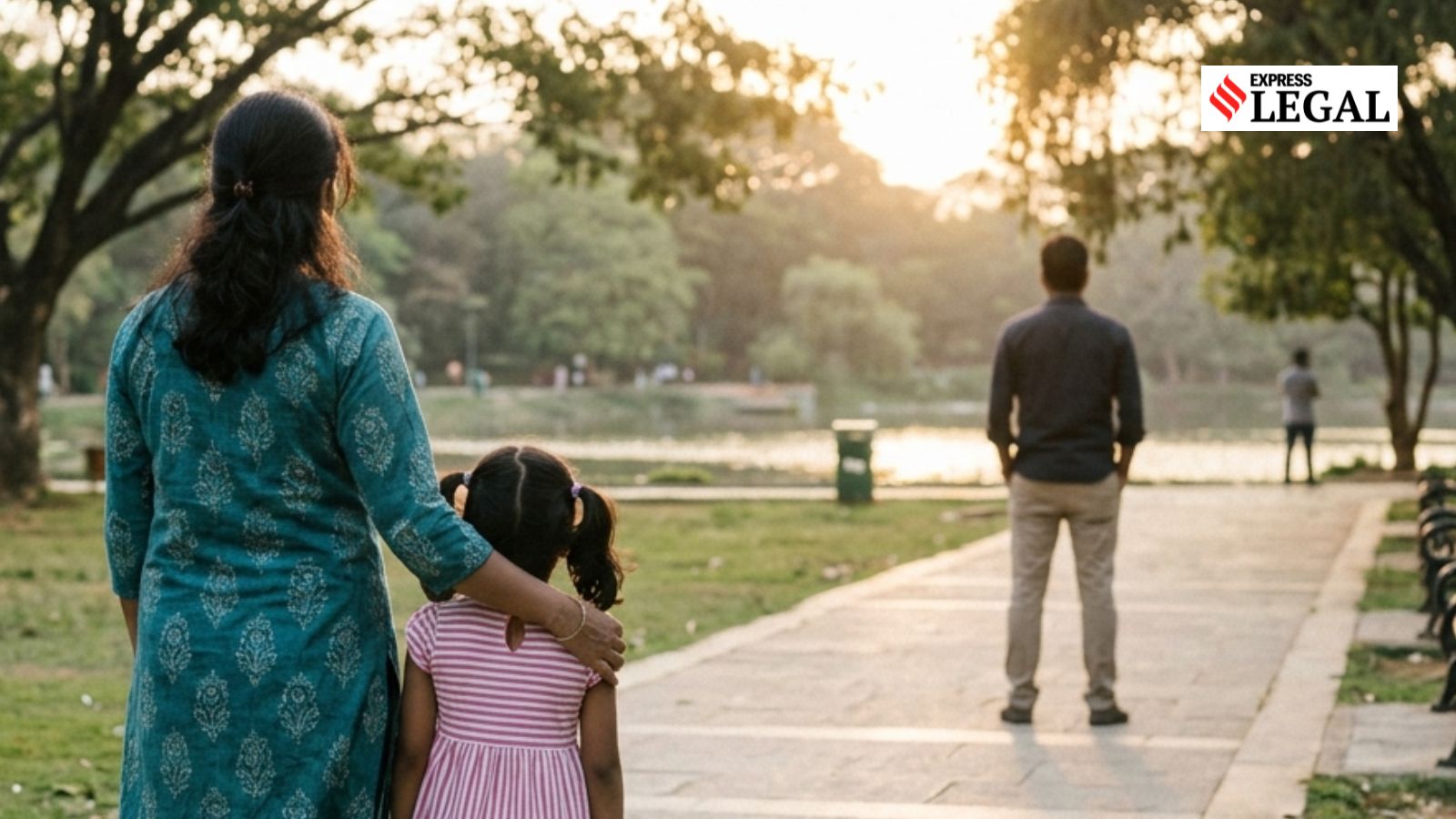
The court said that child is admittedly of tender age, and dispute between the parties is essentially one relating to custody, which requires proper assessment of the welfare and best interests of the minor. (AI-generated Image)
The Punjab and Haryana High Court has dismissed a man’s plea seeking custody of his minor daughter and held that only because he is the child’s father, or because the parents had entered into a compromise, does not entitle someone to the child’s custody. The court declined to disturb the existing custody but granted the father fortnightly visitation rights.
Justice Manish Batra was hearing the man’s habeas corpus plea when, considering the child’s “tender age”, he was allowed access to the daughter.
“The mere fact that the petitioner is the father of the child or that a compromise dated January 1, 2023, was entered into between the parties per se does not warrant handing over custody of the child to the petitioner in the present proceedings, particularly when the matrimonial dispute and the question of custody have remained contested,” the court said.
The court noted that the child is admittedly of tender age, and the dispute between the parties is essentially one relating to custody, which requires a proper assessment of the welfare and best interests of the minor.
Father alleged child was taken
The couple married in January 2022, and their daughter was born the same year, but began living separately due to differences.
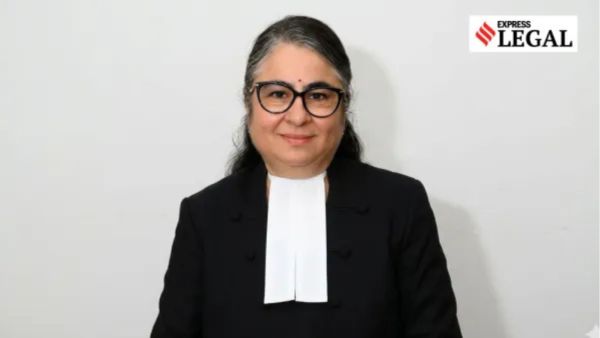 Justice Manisha Batra heard the matter on September 9.
In January, 2023, the parties entered into a compromise and agreed that the minor daughter would remain in the man’s custody and that he would pay Rs 10 lakh to the wife as lifetime alimony instead of divorce. They later filed a petition for divorce by mutual consent under the Hindu Marriage Act.
The wife, however, withdrew her consent later and claimed no mutual agreement for divorce was reached. She also returned the Rs 5 lakh cheque she had received as the first instalment.
Story continues below this ad
The family court subsequently dismissed the divorce petition in November, 2023. The man alleged that his estranged wife refused to follow the earlier compromise and took their daughter away from him. Besides, she was stated to have gone abroad and left the child in the care of his mother-in-law.
Financially capable of caring for child: Father
The man alleged his daughter was being kept in illegal custody. Appearing for the petitioner, advocate Radhika argued that the father was earning a monthly sum of Rs 50,000, being financially capable of caring for the child, besides bearing her medical expenses. He also alleged that the child was not receiving proper food, clothing, and other basic amenities.
The woman’s advocate Saurav Bhatia, however, maintained that the child was in the lawful custody of her biological mother and that no court had granted custody to the father.
It was argued that the child, who was below five years old, had continuously remained with her and the maternal family, was attending school, and was receiving proper food, education, and medical care. The mother also pointed out that the family court had recorded the child’s custody with her and had directed the husband to pay interim maintenance and litigation expenses.
Story continues below this ad
It held that merely because the petitioner was the child’s father, or because the parties had entered into a compromise in 2023, it did not automatically justify handing over custody to him, particularly when the matrimonial dispute and custody issue remained contested.
The court noted that the allegations concerning the mother’s conduct and the maternal grandmother’s alleged inability to care for the child were disputed questions of fact. Such issues could not appropriately be determined within the limited jurisdiction exercised in a habeas corpus petition.
© IE Online Media Services Pvt Ltd

Jagriti Rai works with The Indian Express (Digital), where she writes from the vital intersection of law, gender, and society. Working on a dedicated legal desk, she focuses on translating complex legal frameworks into relatable narratives, exploring how the judiciary and legislative shifts empower and shape the consciousness of citizens in their daily lives. Expertise Socio-Legal Specialization: Jagriti brings a critical, human-centric perspective to modern social debates. Her work focuses on how legal developments impact gender rights, marginalized communities, and individual liberties. Diverse Editorial Background: With over 4 years of experience in digital and mainstream media, she has developed a versatile reporting style. Her previous tenures at high-traffic platforms like The Lallantop and Dainik Bhaskar provided her with deep insights into the information needs of a diverse Indian audience. Academic Foundations: Post-Graduate in Journalism from the Indian Institute of Mass Communication (IIMC), India’s premier media training institute. Master of Arts in Ancient History from Banaras Hindu University (BHU), providing her with the historical and cultural context necessary to analyze long-standing social structures and legal evolutions. ... Read More
KioskNews shows a cleaned-up reading view extracted from the publisher’s page — the original always lives on their site, not ours.