Malaysia turns to Turkey for warship missiles after Norway’s export freeze
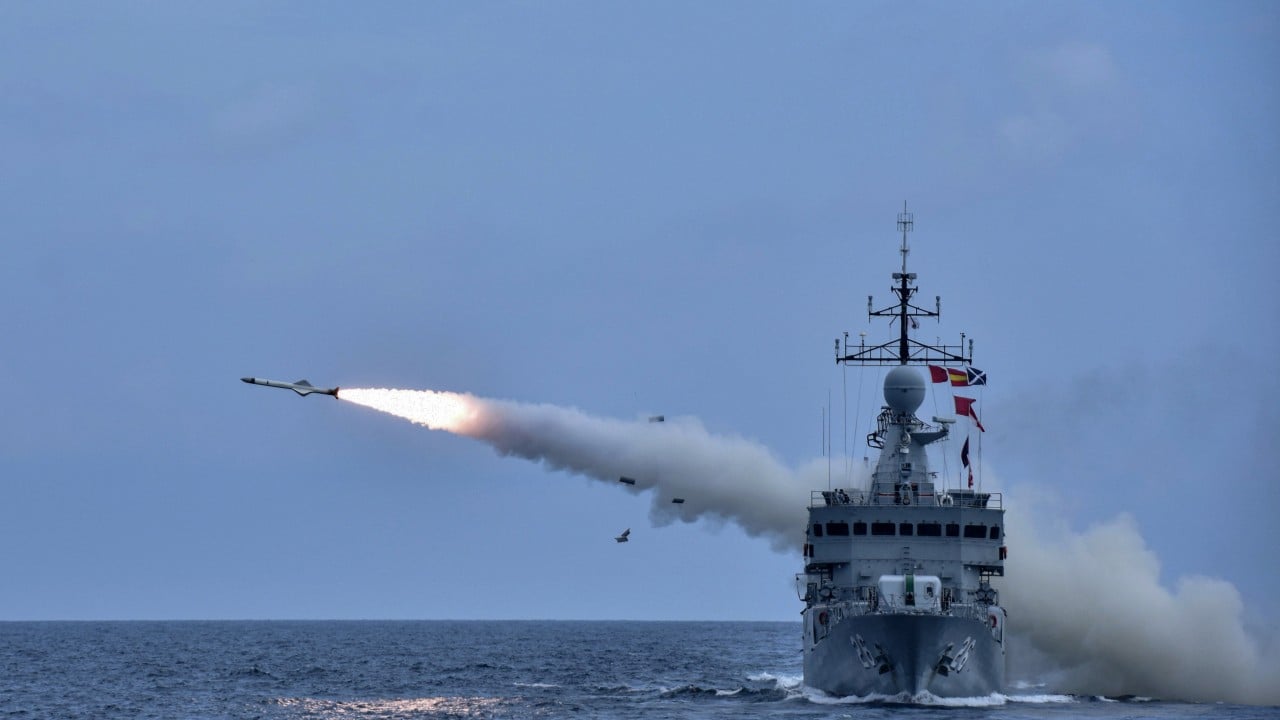
Malaysia’s decision to pivot to Turkey for anti-ship missiles after Norway cancelled a procurement deal has offered it a way out of a costly setback, though analysts warn the episode has exposed its vulnerability to foreign export controls and highlighted the need for greater defence autonomy.
The planned switch to Turkey’s Roketsan Atmaca missile system for the Malaysian navy’s littoral combat ships (LCS) reflects Kuala Lumpur’s growing defence ties with Ankara, even as questions remain over how quickly the weapons can be integrated into the vessels.
The move follows Oslo’s refusal to grant an export licence for its naval strike missile (NSM), which had originally been selected for the navy’s LCS programme.
Defence Minister Mohamed Khaled Nordin said Turkey was chosen as Malaysia’s preferred supplier after the ministry evaluated proposals from three countries, including France and Italy, citing price, delivery timelines and upfront costs as key factors. He said Kuala Lumpur would now begin negotiations with Ankara to finalise the procurement.

“We have reached the stage of determining which country would be the best source of an alternative to replace our missiles. That country is Turkey,” Khaled told a news conference on Thursday, according to local media reports.
Developed by Turkish defence manufacturer Roketsan, the Atmaca is an all-weather, high-subsonic anti-ship cruise missile with a range of more than 250km (155 miles). Designed to strike enemy warships and other surface targets, it flies close to the sea surface to evade detection and relies on satellite navigation and radar guidance while resisting electronic interference, making it difficult to intercept.
Khaled said Malaysia could receive the missiles by 2029 – well ahead of the 2035 timeline projected for a new order – because it had already ordered the same system for its second batch of littoral mission ships (LMS).
“Because we have already ordered them for our LMS vessels, we will receive them earlier, as some of the missiles can be supplied ahead of schedule. Perhaps by 2029. So, it will not be 2035,” he said.
He added that piggybacking on the existing LMS programme would spare Malaysia from spending an estimated US$171.4 million to US$220.4 million on a completely new missile procurement, with additional costs largely confined to launchers and integrating the system onto the LCS fleet.
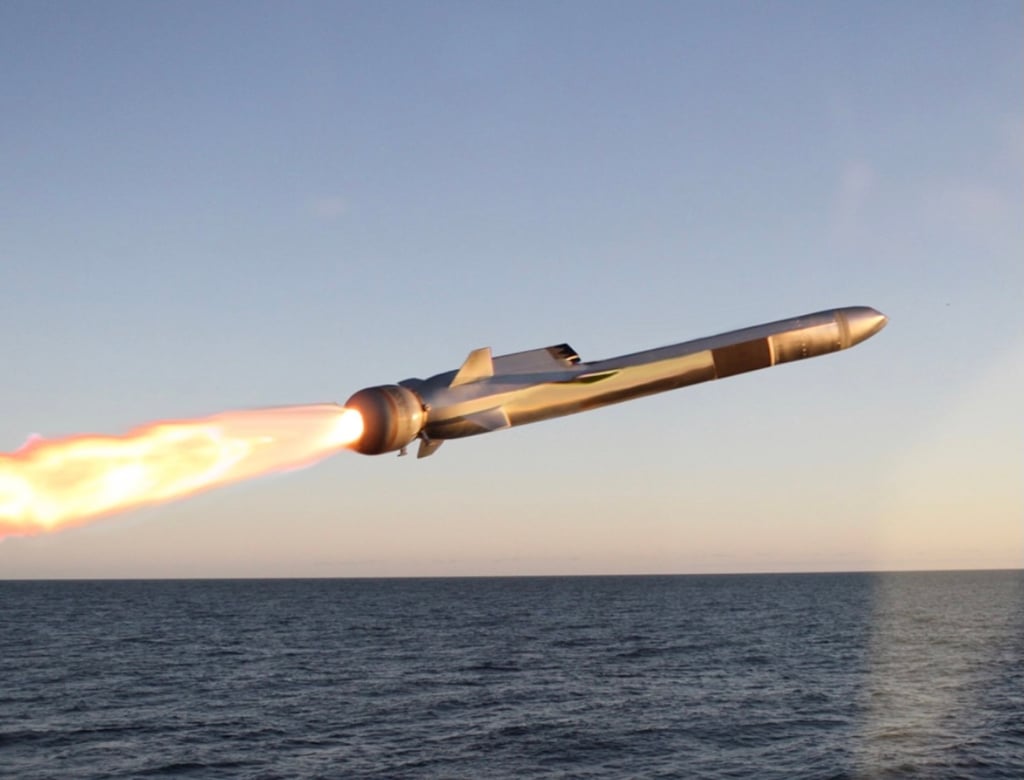
At the same time, Malaysia is seeking to recover funds already paid for Norway’s NSM.
Khaled said initial talks had stalled, prompting Malaysia to establish a dispute resolution committee with Norwegian defence contractor Kongsberg Defence & Aerospace. The country could pursue international arbitration if negotiations fail, though it intends to press ahead with the Turkish procurement without waiting for the dispute to be settled.
Norway permanently revoked the export licence in April after suspending it in February, with Malaysian officials saying they received no prior warning before the initial freeze. According to Khaled, Oslo indicated the cancellation reflected a policy restricting exports of the system to Nato members and allied countries amid a shifting global security environment.
Malaysia had already paid roughly 95 per cent of the combined NSM contracts, worth 129.8 million euros (US$144 million), before the cancellation, according to figures Khaled presented to parliament in July.
Reliable partner
Azmi Hassan, a senior fellow at the Nusantara Academy for Strategic Research, said Malaysia’s turn towards Turkey built on a long-standing relationship across diplomatic, economic and defence sectors, noting that Turkish military hardware was increasingly comparable to Western systems.
Azmi also questioned Norway’s reported justification for not selling the NSM to Malaysia, pointing out that Turkey was a Nato member.
“One reason given by Norway for refusing to sell the missiles to Malaysia is that Malaysia is not part of Nato. So maybe Malaysia is trying to show that by working with and procuring defence equipment from Turkey, the Nato reasoning just does not hold any water,” he said.
Azmi dismissed suggestions that the procurement signalled a shift in Malaysia’s strategic posture in the South China Sea, where it continued to prioritise diplomacy with Beijing.
“The missile, especially for our littoral combat ship, is not for the South China Sea per se, but also for the Strait of Malacca,” he said.
Other experts said the switch to the Atmaca offered Malaysia greater procurement flexibility, but warned that integrating the new weapons system into the LCS would be crucial to its operational readiness.
“The key question is how effectively the weapon system can be integrated with the combat management system of the littoral combat ship, linked to the ship’s sensors and supported by accurate targeting information,” said Kuala Lumpur-based defence analyst Zaki Salleh.
While shipbuilding, sea trials and crew training could continue during negotiations, Zaki cautioned that the warships would remain unable to perform their core role without a fully operational missile battery.
“Without a fully integrated and operational missile system, the LCS cannot carry out surface strike missions as originally intended under the Royal Malaysian Navy’s operational requirements,” he said.
Zaki added that the Norwegian cancellation highlighted how vulnerable Malaysia’s military modernisation drive was to foreign export controls, even after contracts were signed and financial obligations met.
Rather than simply swapping one foreign supplier for another, he urged Malaysia to leverage deals for technology transfers, local industry participation and long-term maintenance arrangements.
“Malaysia may have the financial capacity to purchase a particular weapons system, but it does not necessarily have sovereign control over whether that weapon can actually be delivered,” he said.
KioskNews shows a cleaned-up reading view extracted from the publisher’s page — the original always lives on their site, not ours.