Think tank moots GST, lower income taxes and cash-flow relief for SMEs
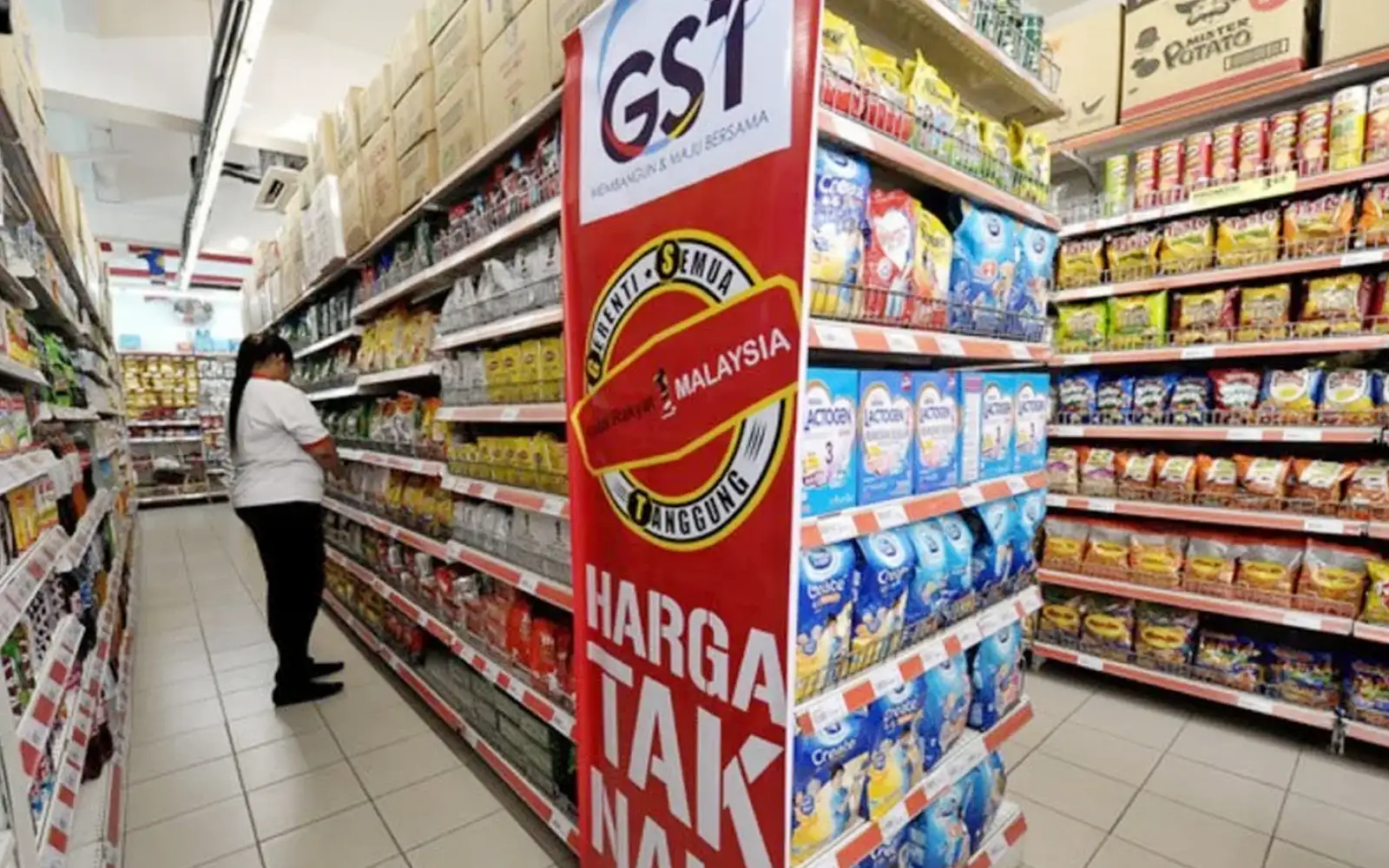
The Center for Market Education (CME) has proposed an overhaul of Malaysia’s tax system that would reintroduce the goods and services tax (GST), lower personal and corporate income tax rates and ease tax-related cash-flow pressures on small businesses.
The proposals are part of a policy brief by CME CEO Carmelo Ferlito, which calls for a revenue-neutral restructuring of the tax system by shifting part of the tax burden from income and corporate profits towards consumption.
The think tank said the proposed changes should be implemented alongside expenditure reforms and subsidy rationalisation, with lower income tax rates phased in as additional revenue becomes available.
“Malaysia does not need more taxes. It needs better taxes,” said Ferlito.
“The question is not only how much revenue the state collects, but through which channels and at what moment it asks taxpayers to give up their liquidity.
“A broad GST, lower income taxes and direct support for households in place of price controls would broaden participation in the fiscal system while improving the incentives that generate income in the first place.”
The key proposals include reintroducing the GST to replace the sales and service tax (SST), with a broad base, few exemptions, a sensible registration threshold, limited rates and faster, rules-based refunds.
CME said the proposed GST should replace part of income taxation rather than become an additional tax burden.
The GST, a multi-stage consumption tax, was introduced in April 2015 at 6% before being zero-rated in June 2018 and replaced with the SST in September 2018.
The think tank also proposed reducing and simplifying personal income tax rates by having fewer and wider tax bands, a higher tax-free or low-rate threshold, and lower middle and top rates.
Apart from gradually lowering the 24% corporate tax rate to allow companies to retain more earnings for investment and expansion, CME also called for the removal of preferential SME tax rates based on shareholder nationality, which currently exclude companies with more than 20% foreign ownership.
CME also proposed abolishing monthly advance tax payments under CP204 for micro and small businesses, allowing them to retain their working capital until their actual tax liability is determined.
It recommended a low presumptive tax regime for informal businesses based on a small percentage of self-declared turnover, with firms gradually moving into the standard tax system.
On subsidies, CME called for blanket subsidies to be replaced with targeted digital vouchers that channel assistance directly to households.
Subscribe to our newsletter and get news delivered to your mailbox.
KioskNews shows a cleaned-up reading view extracted from the publisher’s page — the original always lives on their site, not ours.