Drugs in Punjab’s classrooms: To detect early users, teachers undergo special training
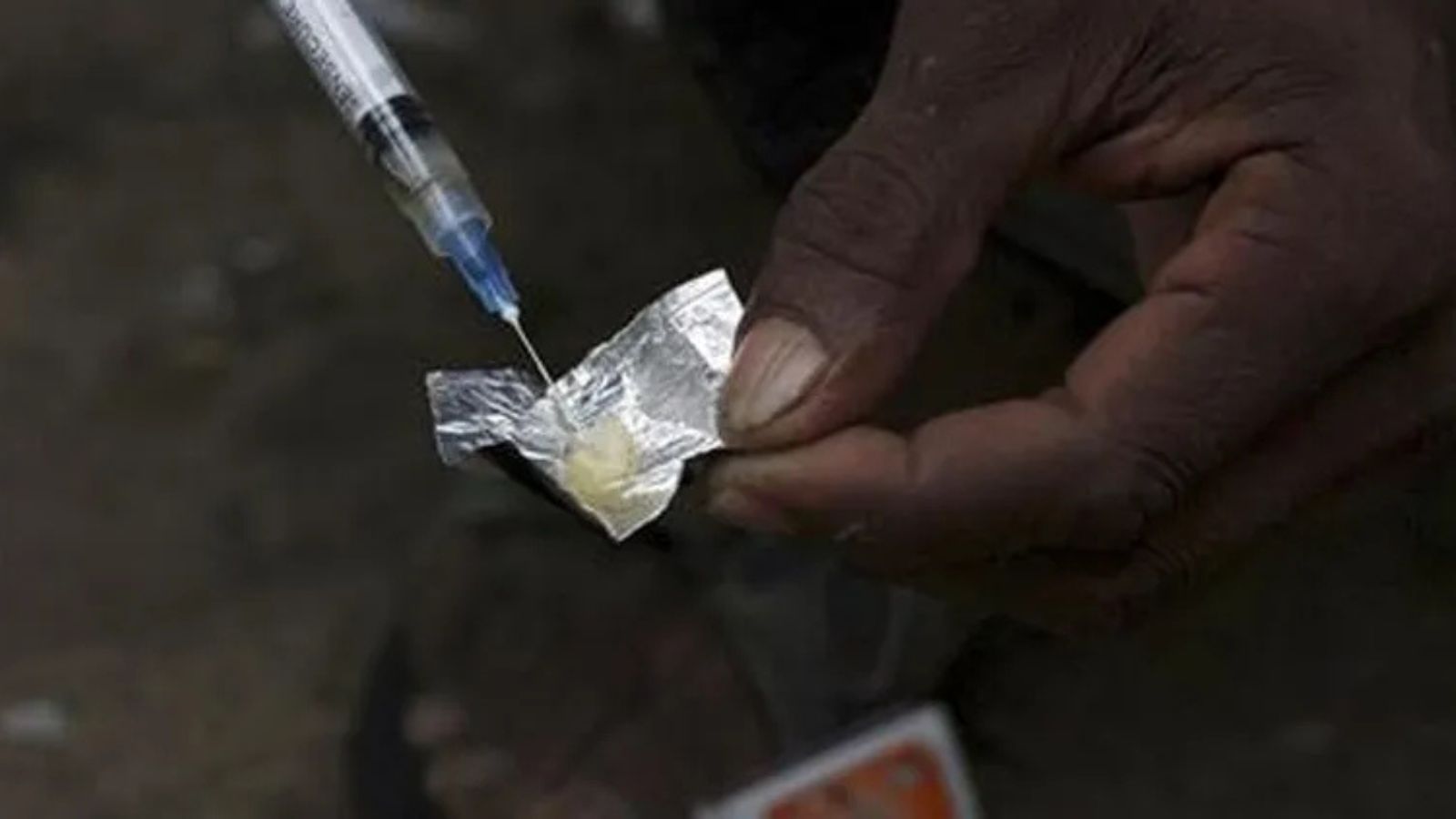
With Punjab's drug addiction problem having its roots in the border belt, focus and priority has been given to teachers in border districts. (Representational image)
With the drug addiction and substance use among schoolchildren continuing to be a concern, the teachers in Punjab’s government schools are undergoing a special training to detect such children at an early stage for further treatment and counselling.
The training is being imparted by experts from Dr BR Ambedkar Institute of Medical Sciences (AIMS), Mohali. The training is being conducted under the AAP’s ‘Yuddh Nasheyan Virudh’ campaign.
With Punjab’s drug addiction problem having its roots in the border belt, focus and priority has been given to teachers in border districts. Starting from Amritsar, the training has already been imparted in border districts Fazilka, Tarn Taran and Gurdaspur, while it has also commenced in Pathankot this week.
Speaking to The Indian Express, Dr Balwinder Singh Saini, assistant director, State Council of Educational Research and Training (SCERT), Punjab, said that qualified psychologists from the AIMS, Mohali, along with other experts have been engaged to train teachers. “Teachers are the frontline communicators with children, especiall teens, in the classrooms. They are being trained in how they have to handle the situation if they come across any such child whom they might suspect of substance use. They have to help the child, not reprimand, humiliate or scold him/her. We started from border belt, seeing the gravity of the drug problem in these districts; but the entire state will be covered in phases,” he said.
The programme is titled “Teacher Awareness Building Programme for Student Mental Health and Substance Use: Strengthening School Ecosystems in Punjab”. Recognising schools as “critical platforms for prevention and early intervention”, the structured teacher sensitisation programme is being implemented across districts.
“Teachers play a vital role in shaping students’ emotional, behavioural, and social development. However, most teachers lack formal training to recognise early warning signs, often interpreting distress-related behaviours as indiscipline. This underscores the need to reframe substance use as a psychosocial and health concern rather than a moral issue,” says the brief note of the programme prepared by AIMS, Mohali.
During the training, teachers are being sensitized on how to engage with students through private, non-judgmental conversations, identifying early warning signs such as behavioral and emotional changes, referring students to counsellors when necessary, creating emotionally safe and inclusive classroom environments, promoting awareness and preventive discussions on substance use etc.
Story continues below this ad
Survey shows ‘behavioral shift’ in teachers after training
With Amritsar being the first district where the training was imparted, a pilot feedback survey conducted by AIMS has found that majority teachers have found the training to be extremely helpful. The programme reached over 2800 teachers from high and senior secondary schools in Amritsar district.
According to the analysis report submitted to the education department for Amritsar, 76% teachers reported feeling motivated to actively contribute towards building a healthier and more supportive school environment. At least 60% expressed confidence in their ability to appropriately respond to suspected substance use among students. At least 86% teachers acknowledged the link between adolescent substance use and factors such as stress, peer influence, emotional challenges, and adverse social environments, demonstrating a shift towards a psychosocial understanding of substance use.
Among the qualitative outcomes, the trainers observed a shift in behaviour interpretation.
“Teachers reported a significant shift in how they interpret student behaviour. Actions such as aggression, withdrawal, inattentiveness, and irritability previously viewed as indiscipline are now increasingly recognised as potential indicators of emotional distress or vulnerability to substance use. Teachers demonstrated increased awareness of contributing factors such as mental health conditions, peer dynamics, family environment, and neurobiological aspects of addiction. Importantly, there was a clear shift towards a recovery-oriented perspective, with greater emphasis on empathy, support, and the possibility of positive change,” says the report.
Story continues below this ad
With a budget of Rs 4.60 lakh per district, the training is being supported through the funds under the Nasha Mukti Bharat Abhiyan (NMBA) / National Action Plan for Drug Demand Reduction (NAPDDR).
Punjab secretary education Sonali Giri said: “No child will be identified publicly. Training will only help teachers in seeking further help if any such student is detected.”

Divya Goyal is a Principal Correspondent at The Indian Express, based in Ludhiana (Punjab). She is widely recognized for her human-interest storytelling and in-depth investigative reporting on social and political issues in the region. Professional Profile Experience: With over 13 years in journalism, she joined The Indian Express in 2012. She previously worked with Hindustan Times. Education: A gold medalist in English Journalism from the Indian Institute of Mass Communication (IIMC), Delhi. Core Beats: She covers a diverse range of subjects, including gender issues, education, the Sikh diaspora, heritage, and the legacy of the Partition. She has also reported on minority communities in Pakistan and Afghanistan. Awards and Recognition Divya has earned significant acclaim for her sensitivity toward gender and social disparities: Laadli Media Award (2020): For her investigative report "Punjab: The Invisible Drug Addicts," which exposed the gender disparity in treating women addicts. Laadli Media Award (2023): For a ground report on the struggles of two girls who had to ride a boat to reach their school in a border village of Punjab. Signature Style Divya is known for "humanizing the news." Rather than just reporting on policy, she often focuses on the individuals affected by it—such as students dealing with exam stress, farmers struggling with diversification, or families impacted by crime. Her work often bridges the gap between West (Pakistan) and East (India) Punjab, exploring shared heritage and common struggles. X (Twitter): @DivyaGoyal_ ... Read More
Stay updated with the latest - Click here to follow us on Instagram
KioskNews shows a cleaned-up reading view extracted from the publisher’s page — the original always lives on their site, not ours.