What Andy Burnham’s GCSE curriculum shake-up means for pupils

The government is overseeing a major shake-up of how children in years 7 to 9 are taught.
Secondary schools are being encouraged to make Key Stage 3 “richer and more engaging” experience for young people offering them a “balanced curriculum that exposes them to new ideas.”
But this includes not teaching children in these years the GCSE curriculum.
Here, The Independent breaks down what the new GCSE changes are.
What are the changes to GCSEs?
The government plans to make Key Stage 3 a more distinct education phase by not teaching the GCSE curriculum to children in Years 7 to 9, also known as Key Stage 3, before GCSEs officially start in Year 10.
Education secretary Lucy Powell also wants to reduce the volume of GCSE content to make it easier to fit into the official timetable.
Many secondary schools start teaching GCSE-level material early to pupils in Year 9 in an attempt to to spread out the course content.
But Ms Powell wants to change this so courses can be taught within the two allotted years for GCSE, which is Year 10 and 11.
The new curriculum will say schools should not start GCSE specifications early for large cohorts or see children routinely required to narrow their options earlier or entered earlier for exams, the Department for Education (DfE) said.
However, the new policy will not be compulsory, and teachers will still retain the flexibility to stretch high-achieving pupils or groups who are ready to go further without narrowing their options.
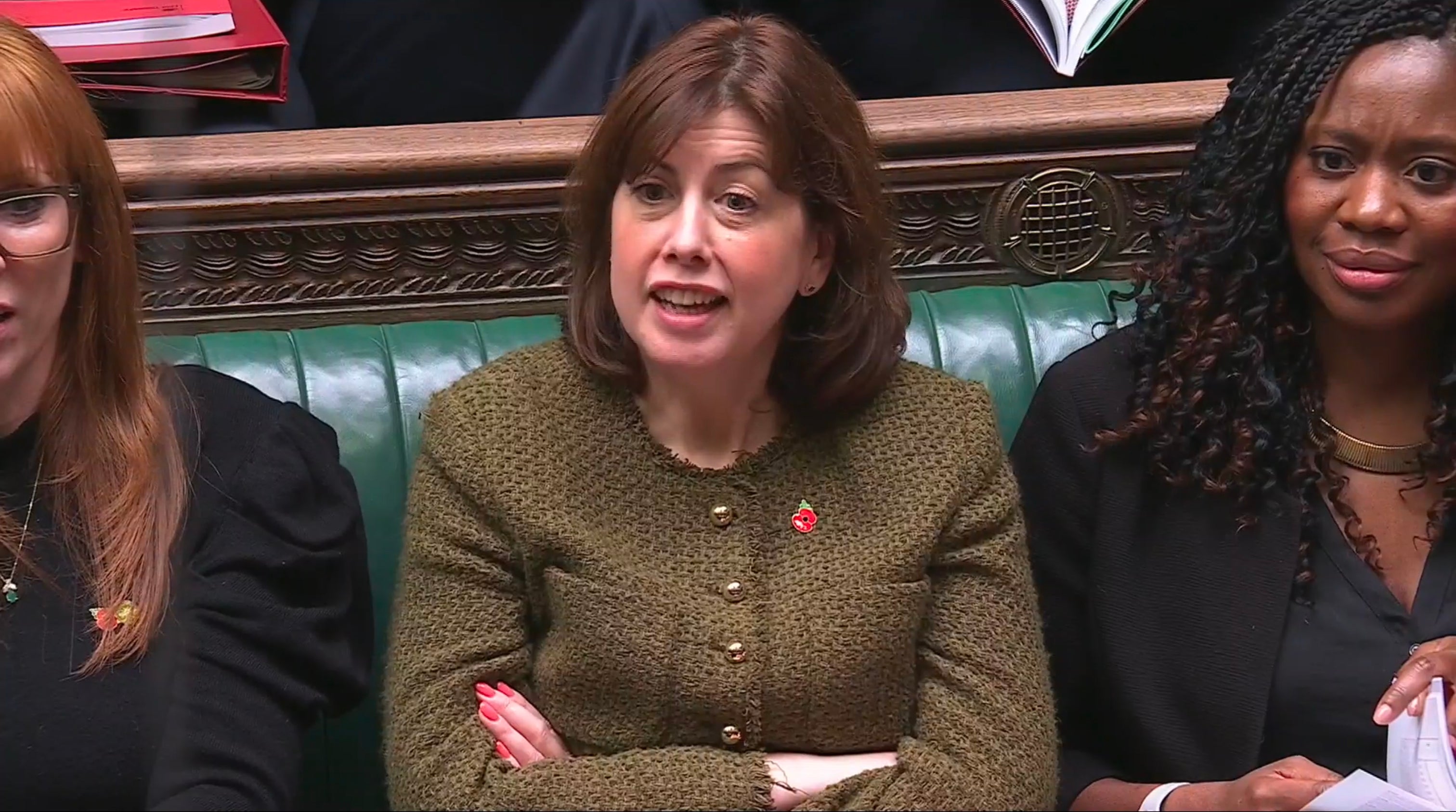
Why is the government overhauling GCSEs?
The shake-up is in response to two reviews that found pupils were becoming disengaged in their early teenage years. This had a knock-on effect on attendance and overall achievement, according to DfE.
Ms Powell has said the early years of secondary school should be a time for teenagers to “find their passion and develop a love of learning.”
Instead, she said there have been “worrying trends” of persistent absence.
“Too many are leaving school without the knowledge and skills they need to thrive. That’s what our exciting and engaging new National Curriculum aims to address as part of our wider education reforms,” she said.
“What’s more, the pressures of GCSEs and an overcrowded curriculum are resulting in too many children receiving a narrower offer during Key Stage 3 and being rushed towards exams without grasping the fundamentals or developing deeper understanding. I’m putting a stop to that,” Ms Powell added.
But she insists the new curriculum will focus on these early teen years and make more children excited to learn.
Sir Hamid Patel, co-chair of the Independent Inquiry into White Working Class Educational Outcomes and chief executive of Star Academies, said: “Throughout our research for the Independent Inquiry into White Working Class Educational Outcomes, we found huge challenges in KS3.
“It is a time when a love of learning should be developed and when young people should experience a broad and balanced curriculum that exposes them to new ideas and new experiences - but instead too many white working class children are switching off and opting out. It is to be welcomed that the government is showing real commitment to renewing this important phase.”
What did the previous government change?
Former education secretary Michael Gove prioritised the teaching of English, maths and science. He also raised the grade boundaries which made exams harder to pass and limited resits.
The Conservative government also made GCSE linear, which meant they were all sat in go at the end of Year 11, rather than over the course of Key Stage 4.
In many cases, this meant teachers started preparing pupils for exams earlier and didn’t necessarily teach the unexamined parts.
KioskNews shows a cleaned-up reading view extracted from the publisher’s page — the original always lives on their site, not ours.