Waali joins Wikipedia as Ghanaian language gains a place in the digital world
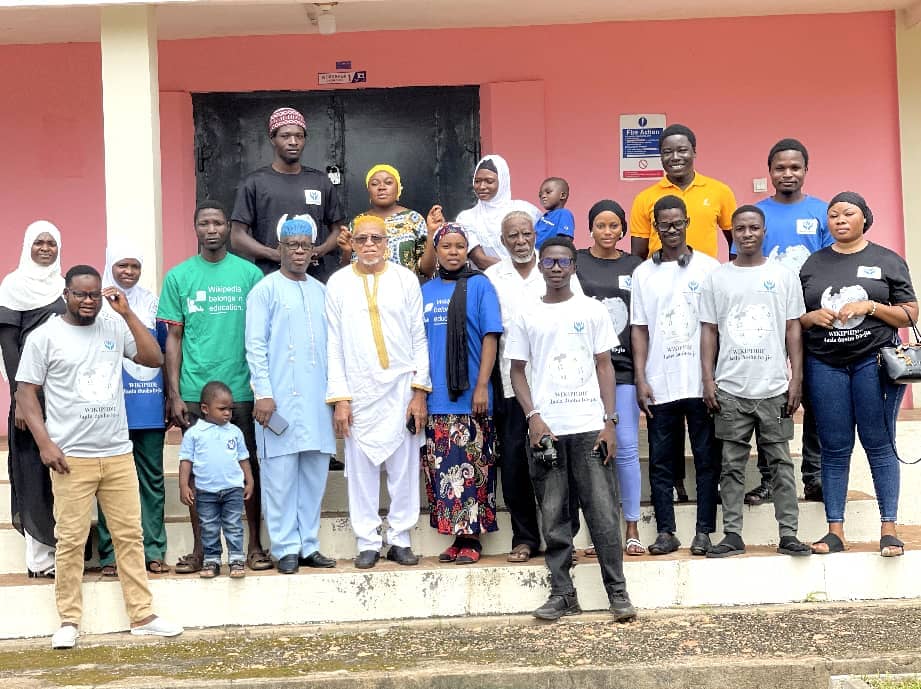
For generations, Waali has been spoken in homes, markets, schools and communities across the Upper West Region. It carries the stories, customs, history and everyday experiences of the Waala people. But much of that knowledge has remained outside the reach of the internet.
On Wednesday, October 14, 2026, Waali was approved as the 10th Ghanaian language to have a Wikipedia edition, becoming the sixth language from the Mabia/Mole-Dagbani language group supported by the Dagbani Wikimedians User Group.
The approval, granted while the project was in the Wikimedia Incubator, gives the language a dedicated space on the world's largest online encyclopaedia.
The new edition, accessible at wlx.wikipedia.org, is the result of efforts by volunteers who have spent the past two years developing the skills and resources needed to write and publish information in Waali.
Waali, also written as Wali or Waalii, is spoken across the Upper West Region and in parts of the Savannah Region.
The language has four major dialects: Yeri Waali, Cherii, Bulengii and Dolimi. Despite their differences, speakers of the dialects can generally understand one another.
This shared understanding has helped the community approach the task of documenting Waali as a common language while recognising its different forms.
The challenge, however, was not to put words online. Volunteers first had to develop a working knowledge of Waali orthography and learn how to write and edit articles using Wikipedia's publishing system.
For Zakaria Tunsung Bukari, Co-Lead and Co-Founder of the Wali Wikimedians Community, the achievement is about preserving the identity and influence of the people who speak it.
"Language is power. Losing one's language means losing power. The Waali language is the power of the Waala," he said.
Two years of work behind the approval
The Wali Wikimedians Community began its work in September 2024. At the time, limited experience in writing the language presented a major obstacle. Many volunteers were familiar with speaking Waali but needed guidance on its written form and the conventions required for publishing articles.
The community responded by organising training sessions to teach participants both Wikipedia editing and the use of Waali orthography.
It also worked to attract more people, especially students and educators, to contribute to the project.
Gradually, the training and outreach activities helped build a group of volunteers capable of producing and improving content in the language.
Their efforts culminated in the October 2026 approval, giving Waali its own Wikipedia edition.
The community's work has extended beyond the technical process of establishing Wikipedia. In June 2025, it organised the Wali Language Art+Feminism Edit-a-thon, bringing contributors together to create and improve content in the language.
It also participated in the Africa Wiki Challenge 2025 in Wa, held under the theme: "Reclaiming Our Narrative."
Other activities included the Wali Mash-Up Edit-a-thon, participation in the Ghanaian Language Meet-Up in 2025, and engagements with tertiary institutions to introduce students to the Waali Wikipedia project.
The community has also worked to bring the language into educational settings. In November 2025, it reported progress towards the introduction of Waali into formal education.
In June 2026, it organised sessions in Wa to help educators use Wikipedia in the classroom and strengthen their media and information literacy skills.
These activities have created opportunities for students and teachers to engage with digital information in a Ghanaian language they understand.
Preserving culture through digital documentation
Beyond developing Wikipedia articles, the volunteers have used Wikimedia projects to document aspects of Waala culture and heritage.
One initiative focused on documenting African food as intangible cultural heritage in Waali.
The community also participated in Wiki Loves Africa 2026, documenting rites, rituals and cultural practices in the Upper West Region.
It has further completed the translation of Wikimedia project interfaces into Waali, making it easier for speakers to engage with the projects in their own language.
Such efforts are important because the survival of a language involves more than speaking it. Recording its vocabulary, traditions, history and cultural expressions also helps ensure that this knowledge can be accessed and studied beyond the communities where it is traditionally shared.
A growing collection of Waali content could also contribute to the development of digital tools and language technologies, which depend on the availability of reliable material in different languages.
Partnerships that supported the journey
The Wali Wikimedians Community has worked with local organisations, educational institutions and individuals to strengthen its activities and ensure that the project reflects the language as spoken by its people.
Its partners include the Waali Baabu Association, Yison Tech Hub, Yirimambo Advocacy Group UWR, Nusrat Jahan Ahmadiyya College of Education, and the Member of Parliament for Wa Central, Abdul-Rashid Pelpuo.
These partnerships have supported community engagement, training and efforts to expand the use of Waali in digital spaces.
The community has also maintained links with other Ghanaian language Wikimedia groups, sharing experiences and learning from their work.
Waali's approval follows the establishment of Wikipedia editions for Dagbani, Gurene, Moore, Dagaare and Kusaal, among the languages supported by the Dagbani Wikimedians User Group.
Their progress reflects growing efforts by language communities across Ghana to make locally spoken languages more visible on the internet.
For Waali, however, the approval is only the start of a much longer undertaking.
The value of the new edition will depend on the quantity and quality of information contributors produce, how frequently articles are updated and whether speakers, students, teachers and researchers make use of the platform.
The community will need more contributors to write about the people, places, history, traditions and everyday experiences of the Waala.
For now, the volunteers have established a platform on which that work can continue.
Waali speakers and anyone interested in the language can visit wlx.wikipedia.org to read existing articles and contribute to the growing collection.
KioskNews shows a cleaned-up reading view extracted from the publisher’s page — the original always lives on their site, not ours.