Hong Kong’s art trading hub ambitions rest on more than headline sales
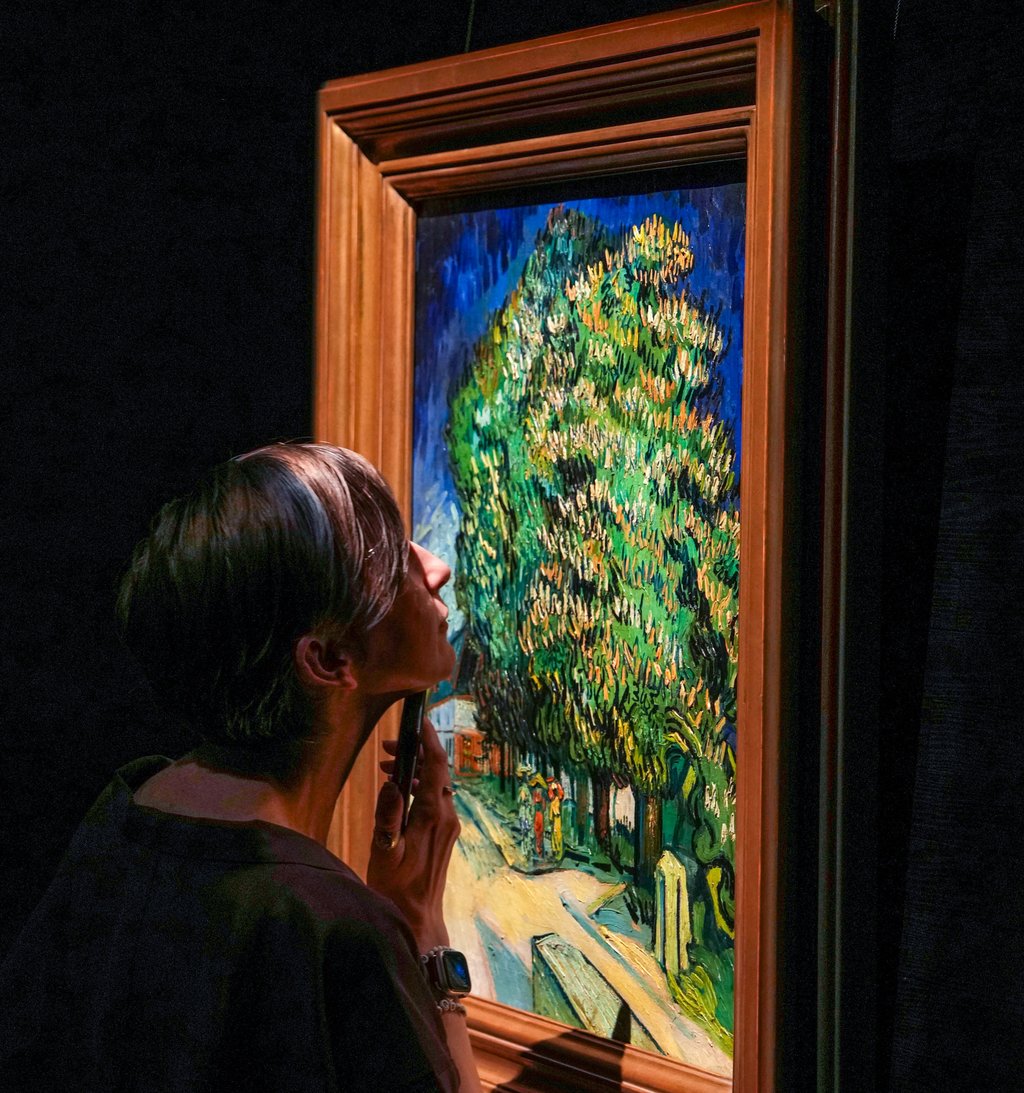
A Vincent van Gogh painting not shown publicly for more than 60 years recently drew hundreds of people to Sotheby’s Hong Kong. Painted in May 1890, Châtaigniers en fleurs (Chestnut Trees in Flower) is a major work from his Auvers-sur-Oise period and could set an auction record.
For three days, Sotheby’s opened the private collection to public viewing in Hong Kong. Its brief stay raises a question about the city’s art hub ambitions: what lasting expertise can be built around a masterpiece that would soon leave?
A global art hub depends on the expertise and businesses that make the trade possible: authentication, conservation, insurance, finance, logistics and exhibition. Hong Kong has important advantages, from its free port tradition and common law system to major auction houses, galleries and institutions.
The challenge is to turn that access into lasting local capability. Hong Kong can show its strength in what happens between sales, including reliable services, experienced conservators, skilled art handlers and registrars, and businesses that keep expertise rooted here.
The headline numbers do not yet tell us whether that is happening. The government put Hong Kong’s trade in works of art, collectors’ pieces and antiques at HK$105.5 billion (US$13.5 billion) in 2023, or 1.2 per cent of merchandise trade. That figure measures goods crossing the border. It tells us little about the income, jobs or expertise retained in the city. A work can be imported for a preview and re-exported without a local sale.
Newer official figures cover a broader field. In 2024, the Census and Statistics Department recorded HK$12.9 billion in value added and 25,600 persons engaged in the art, antiques and crafts domain. Distribution accounted for about 97 per cent of the value added. After a large rise in 2023, the value added fell by 32 per cent in 2024 as distribution declined.
That is to say, current figures still fall short of telling us what art trading itself contributes or how many local specialists it supports. Without a clearer picture, the government cannot tell whether its investments are building a deeper industry or adding facilities around a trade whose local benefits remain hard to measure.
Businesses also need to know where gaps exist before committing to storage, conservation, insurance or other specialist services. Better evidence would make Hong Kong’s pitch as an art trading centre more persuasive. The need is especially clear in a market that moves unevenly.
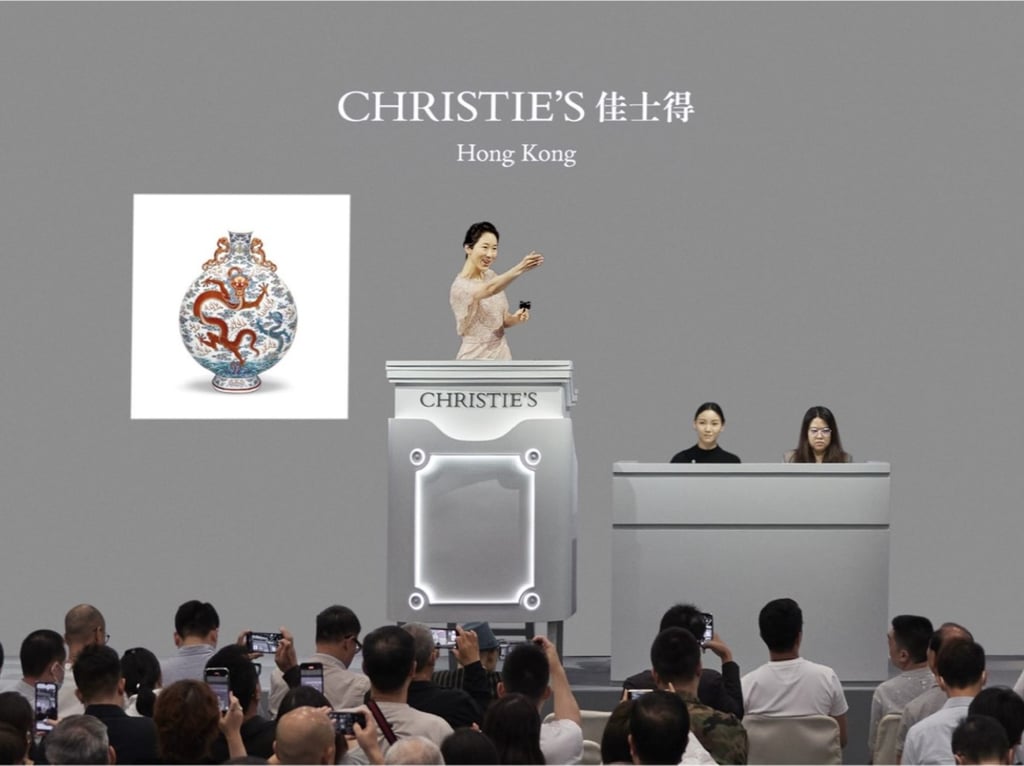
The 2026 Art Basel and UBS art market report found that sales by internationally focused auction firms in Hong Kong fell by 5 per cent last year, while sales at more domestically focused mainland auction houses rose by about 6 per cent. Auction sales form one part of the picture. The divergence shows why a record sale or celebrated preview cannot measure the city’s strength.
As auction houses operate across cities and consignments travel easily, a sale’s host city does not automatically retain the expertise or value it generates. Hong Kong’s advantage will depend on whether collectors can find trusted specialists here after the auction lights go out. That should be the test of the city’s hub strategy, and the reason to measure local jobs, services and expertise alongside trade flows.
Hong Kong needs an annual account of its art trade, assembled by the Census and Statistics Department with auction houses, galleries and the firms that handle, insure and store works. It should distinguish goods passing through the city from income and expertise retained here, tracking local businesses, specialist jobs, wages and value added.
Smaller studios and service providers must count too; broad reporting bands can protect client confidentiality while showing where expertise is growing. In 2024, the government said it did not compile detailed counts of auction houses, galleries or auctions.
A regular account would give policymakers, businesses and the public a shared baseline for judging whether investment is building lasting capability. Over time, it could also show whether local companies are hiring, sourcing services in Hong Kong and taking their expertise to regional clients.
The 2026 policy address offers a practical starting point. It promises a study of arts trading centres and sets out a WestK Academy auctioneer fellowship, alongside courses in Chinese art and heritage conservation. WestK Academy can also measure its success by where trainees go next. Its courses should lead to paid placements with auction houses, museums, art handlers, conservators and insurers.
A shared programme would also let smaller companies host trainees and give larger businesses benefiting from public investment a way to provide placements and mentoring. Tracking how many trainees enter and stay in the field would show whether the city is building a skilled workforce.
There is also a public case for bringing the work behind the market into view. Private owners will decide whether and where their paintings are shown; a commercial preview cannot be expected to become a public exhibition.
But when a major event receives public support, organisers could offer a school visit, conservation talk or short explanation of how a work is transported and cared for. These opportunities would let people encounter the knowledge and skilled work that make the art trade possible.
Hong Kong has the institutions, market links and policy attention to build a stronger art trading ecosystem. Its next claim should rest on evidence that local companies are growing, specialist careers are taking root and knowledge is extending beyond the auction room. When another rare work arrives, the city should be ready to explain what local capability its presence helped sustain, from specialist services to careers.
KioskNews shows a cleaned-up reading view extracted from the publisher’s page — the original always lives on their site, not ours.