Beijing fights invasive moths with parasitic wasps and caterpillar-catching contests
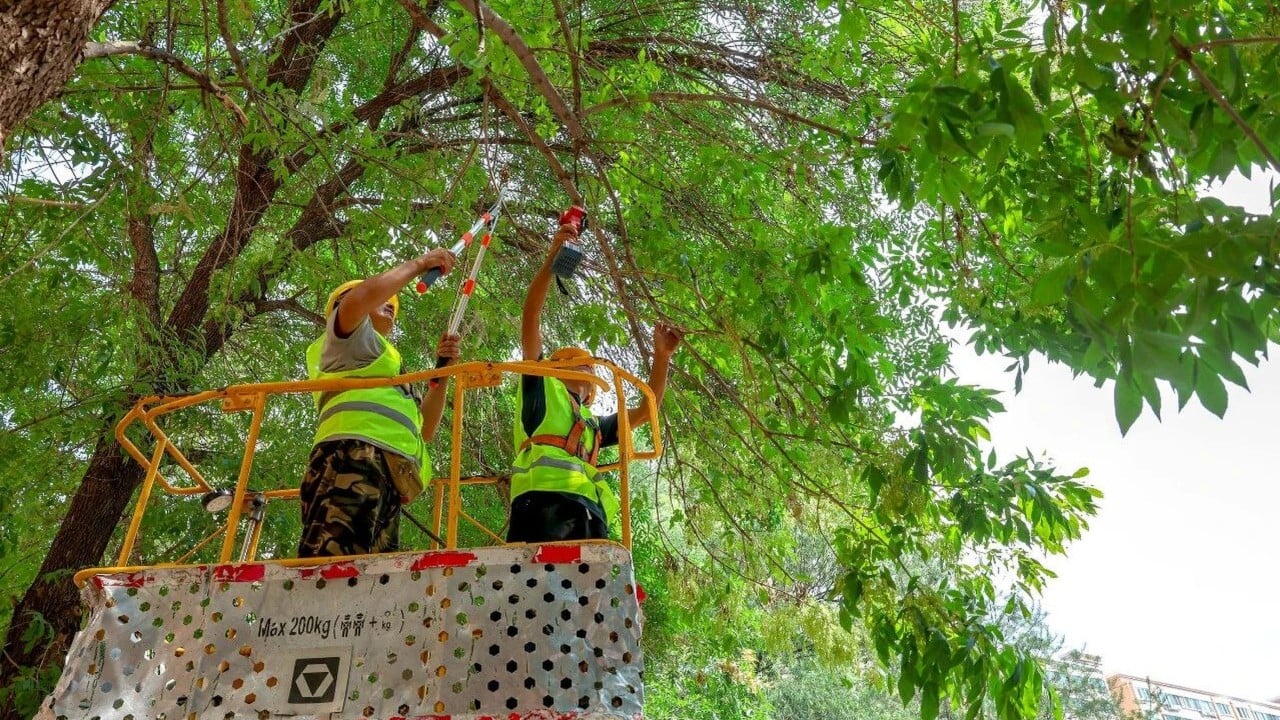
Authorities in the Chinese capital are releasing more than a billion parasitic wasps and encouraging caterpillar-catching competitions to try to contain the spread of the invasive North American fall webworm.
The caterpillars have blanketed trees in Beijing and surrounding areas this summer, spinning clouds of greyish-white webs as they eat their way through foliage.
The insects are the fuzzy larval stage of Hyphantria cunea and metamorphose into adult white moths.
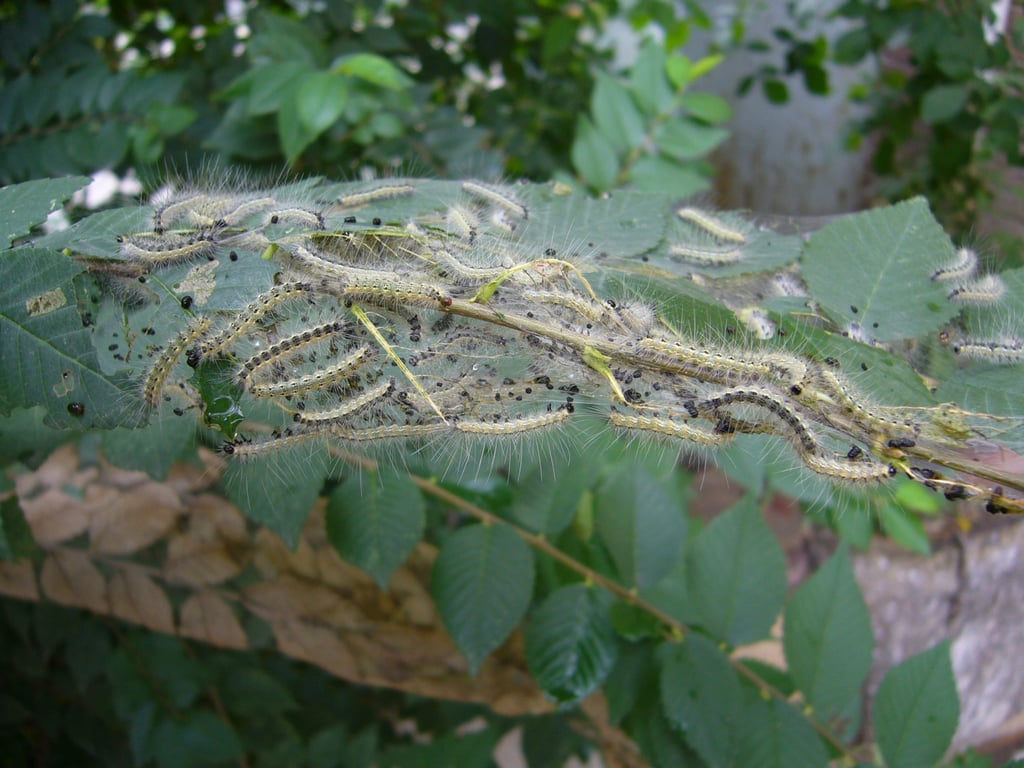
While not harmful to humans, they pose a threat to hundreds of species of plants, China Science Daily reported on Friday.
According to the article written by Chen Min, a professor at Beijing Forestry University, this generation of larvae has a greater risk of spread than usual, making control measures more difficult.
Chen said a warm winter and a rainy summer were providing ideal conditions for the pest to thrive, with the wet weather washing away pesticides.
To combat the outbreak, municipal workers have taken physical measures such as removing webs and trapping moths as well as spraying pesticides.
Nearly 3,000 monitoring sites had been set up around Beijing to guide control efforts, state news agency Xinhua reported last week.
Community efforts were also launched to combat the outbreak, including caterpillar-catching competitions and calls for people to report infected trees.
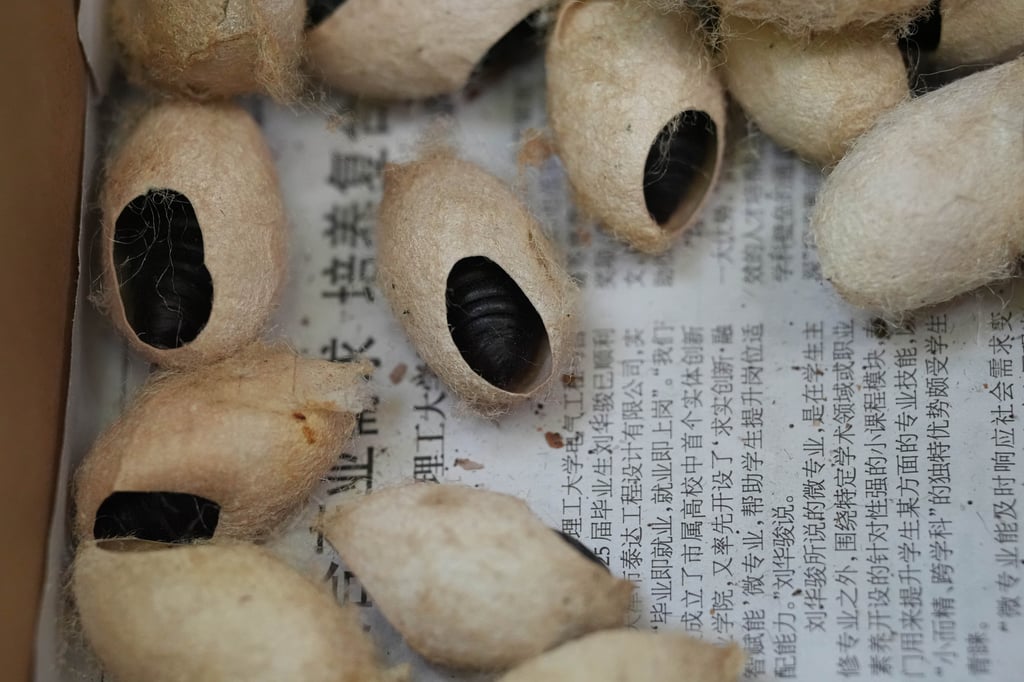
Beijing has released 1.1 billion Chouioia cunea – a species of parasitic wasp discovered in the 1980s that acts as a natural predator for the pest – to try to suppress the population, according to the China Science Daily report.
The fall webworm is native to North America – found across the United States, Canada and Mexico – and was accidentally introduced to Europe in the 1940s, according to the University of Massachusetts Amherst.
It has since spread through Europe and Asia as an invasive species. Chen said the pest was first discovered in China in 1979 and was now found in 13 provincial-level areas.
In the US, native populations of the moth are typically kept below damaging levels due to natural predators, according to the University of Massachusetts Amherst.
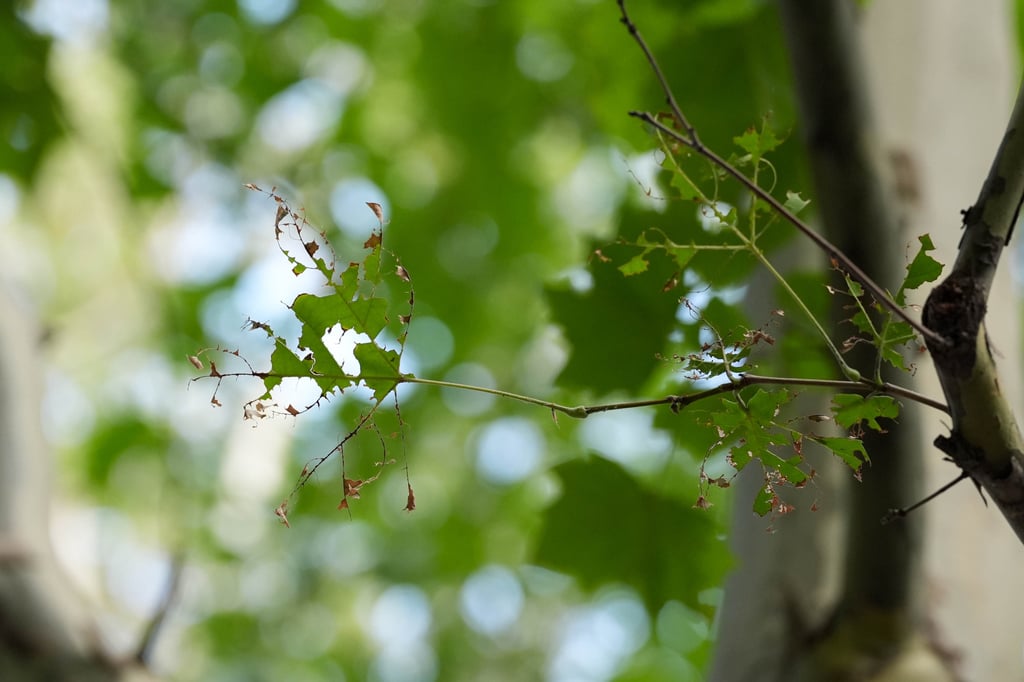
Chen said the caterpillar targeted many plant species, including common Chinese street trees such as mulberry, ash and plane varieties.
A single female moth can lay hundreds of eggs and three generations of the insect emerge each year.
The present outbreak is the third generation, but the first – which emerges around May – is the most important to target, according to another Xinhua report on Saturday.
Chen noted that this year’s concentrated outbreak in China exposed gaps in control efforts, showing that measures required better synchronisation and adaptation – particularly as climate change expands the pest’s suitable habitats.
KioskNews shows a cleaned-up reading view extracted from the publisher’s page — the original always lives on their site, not ours.